Who we have installed for:









What is a sensory room?
A sensory room is a space set aside for exploring the senses. The light can be dimmed and coloured, things move slowly, and sound and vibration can be felt as well as heard. Most of the equipment responds to the people using it: press a switch and a bubble tube changes colour, move across the floor and the projection follows.
You'll also hear them called multi-sensory rooms, multi-sensory environments (MSE) or Snoezelen rooms, after the Dutch idea of time to explore and time to relax that started in the 1970s. A sensory room doesn't have to be a whole room: it can be a corner of a classroom, or a mobile unit wheeled from room to room.
What is a sensory room for?
A sensory room is a place to explore, play, relax or calm down, at each person's own pace, with nothing that has to be achieved. It's used one to one and in small groups, for free play and for planned sessions.
We design sensory rooms for schools and special schools, nurseries, colleges, hospitals and hospices, care homes, day centres and family homes. They're used by children and adults with a wide range of needs, including autism, profound and multiple learning disabilities (PMLD), dementia and sensory processing differences, and by anyone else who enjoys them.
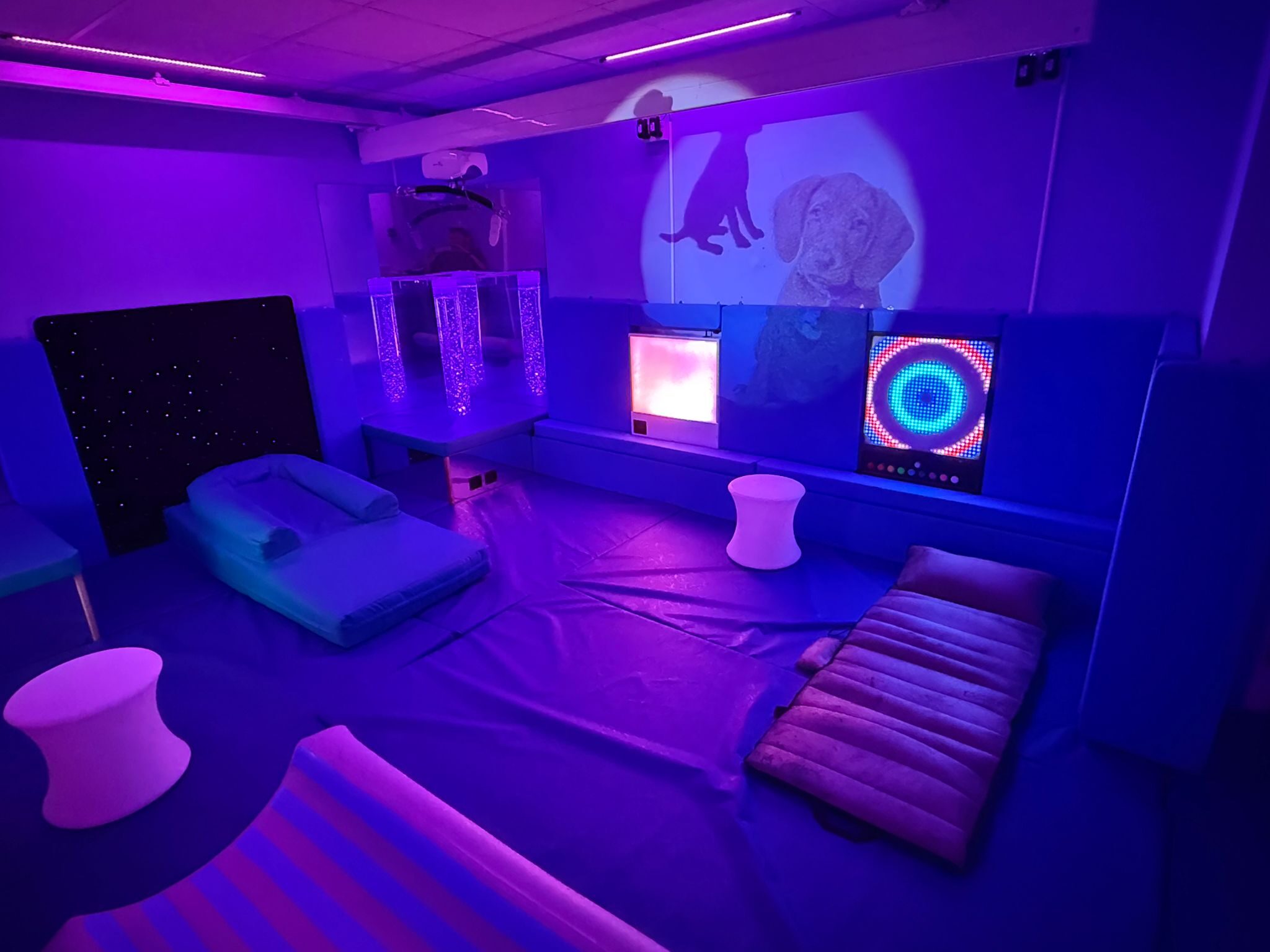
Types of sensory room
Most sensory rooms lean one way: towards light and sound, movement, calm, projection or soft play. Many mix two or more. Compare them all on our types of sensory room page.
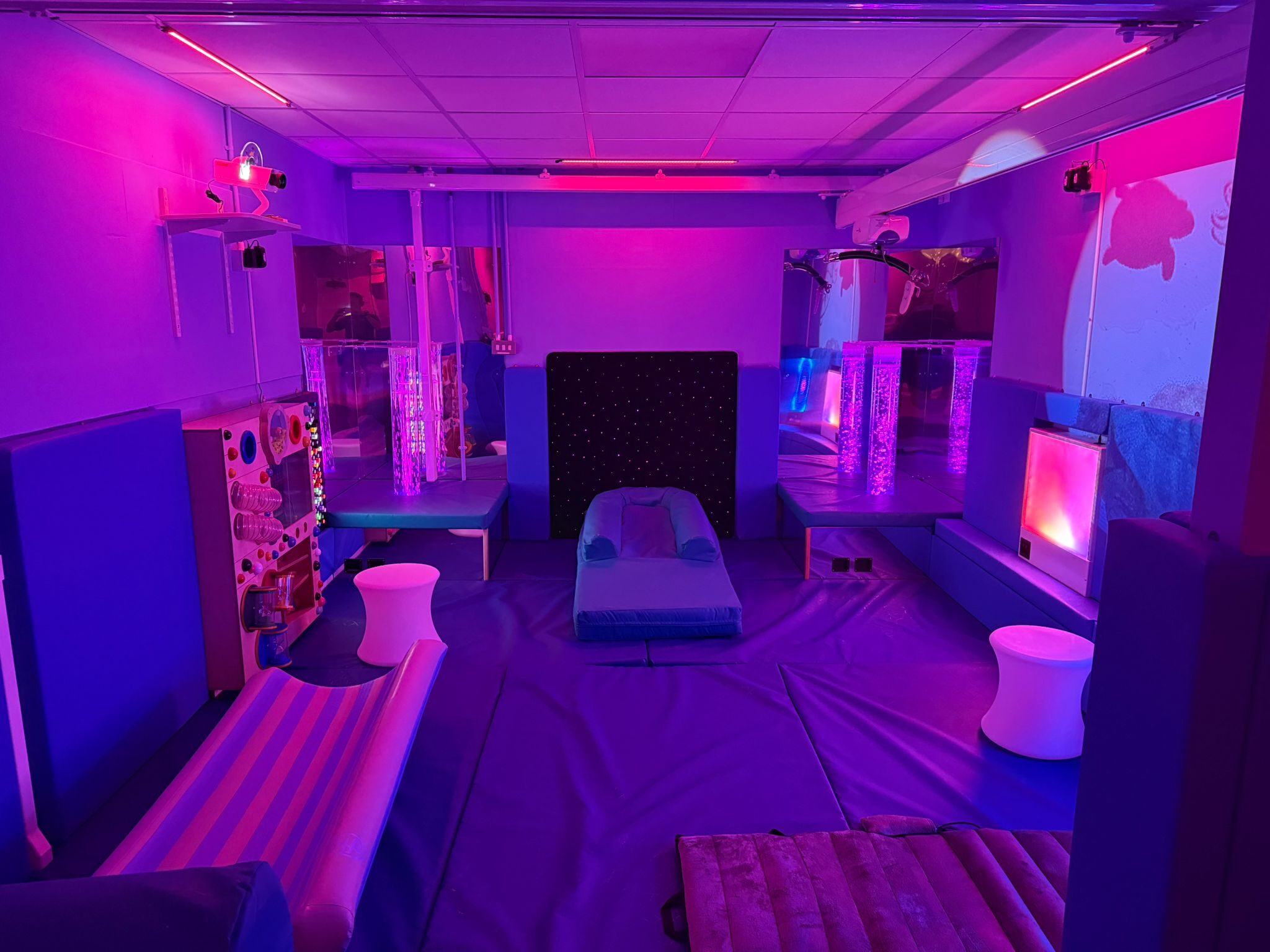
Multi-sensory rooms
The most common type: light, sound, touch and vibration in one space.
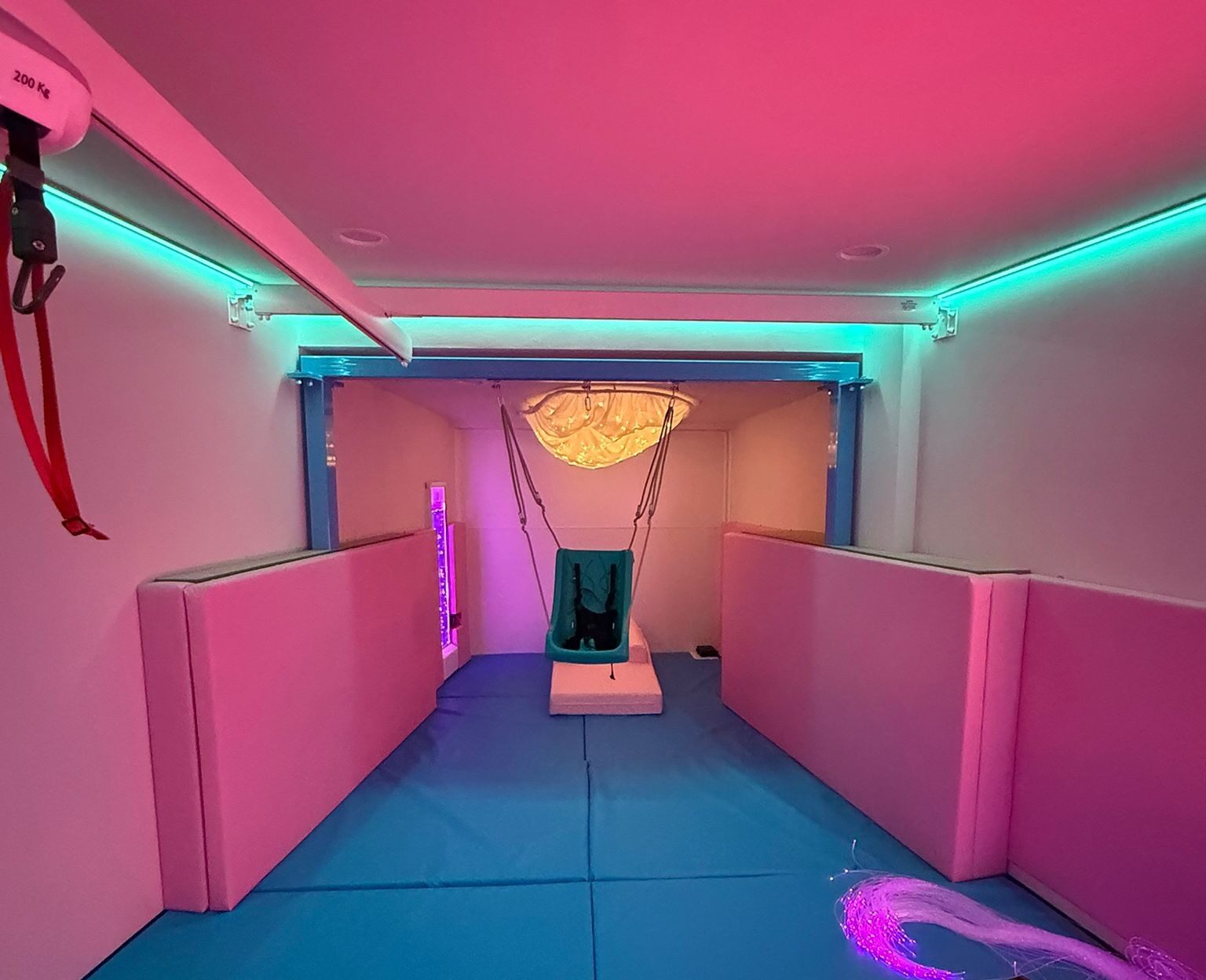
Sensory integration rooms
Built around movement: swings, crash mats and padding.
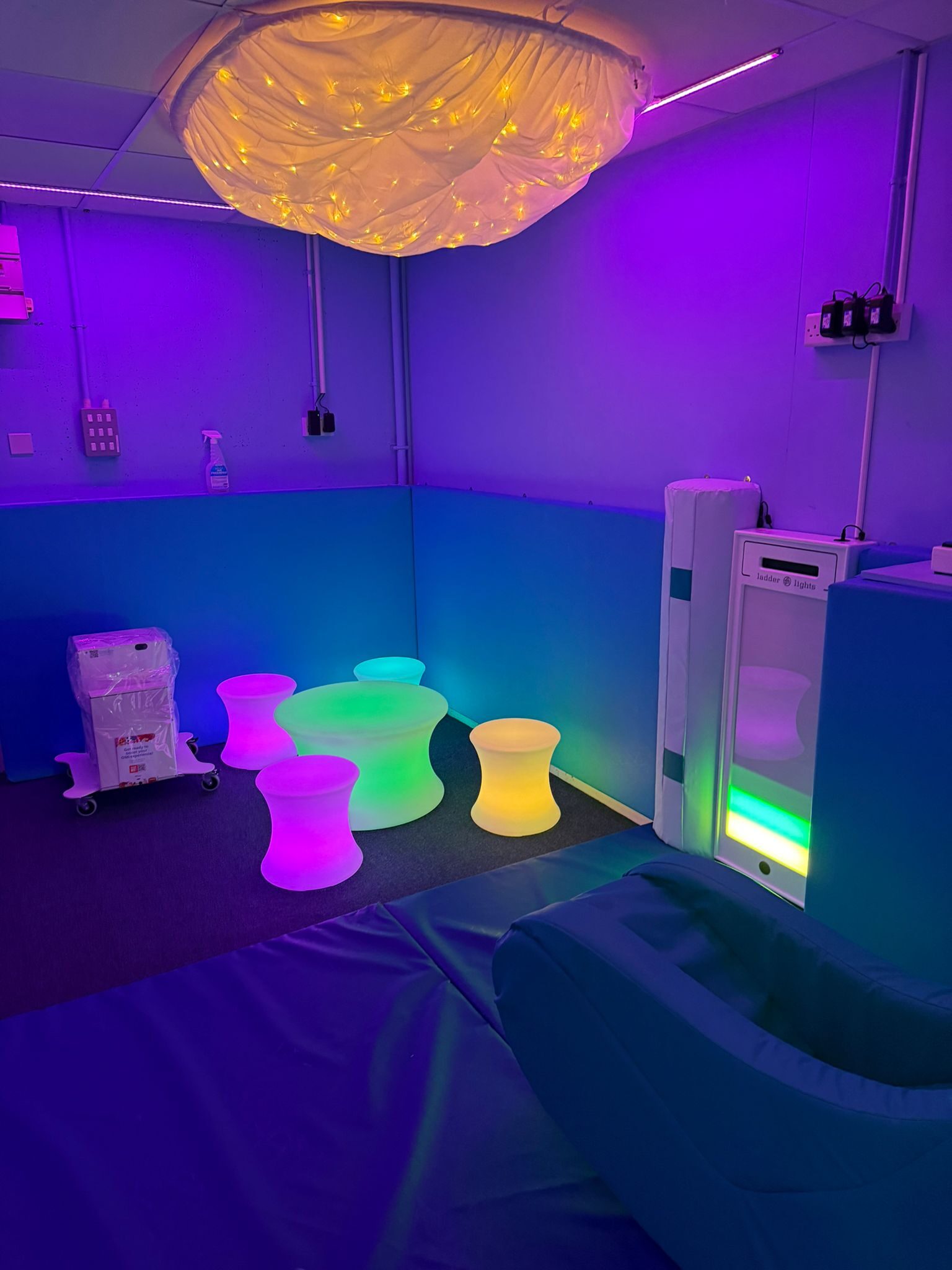
Calming and de-escalation rooms
Soft, low-stimulus spaces with padding and gentle light.
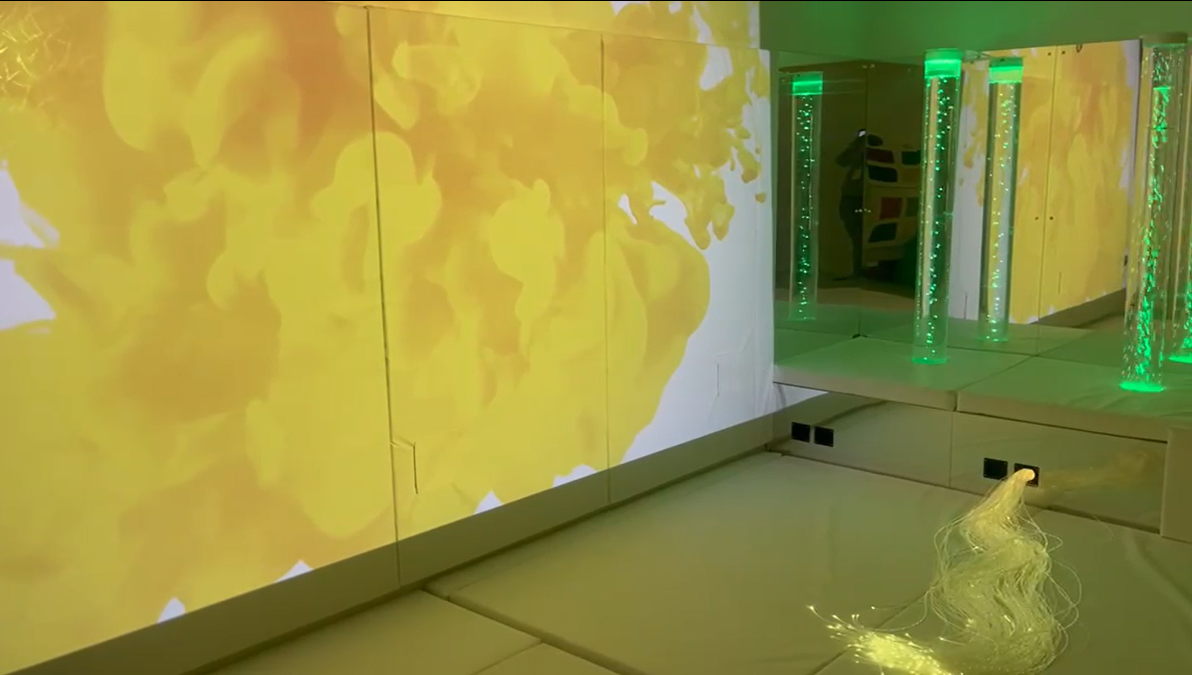
Immersive rooms
Projection that fills the walls, floor or ceiling.
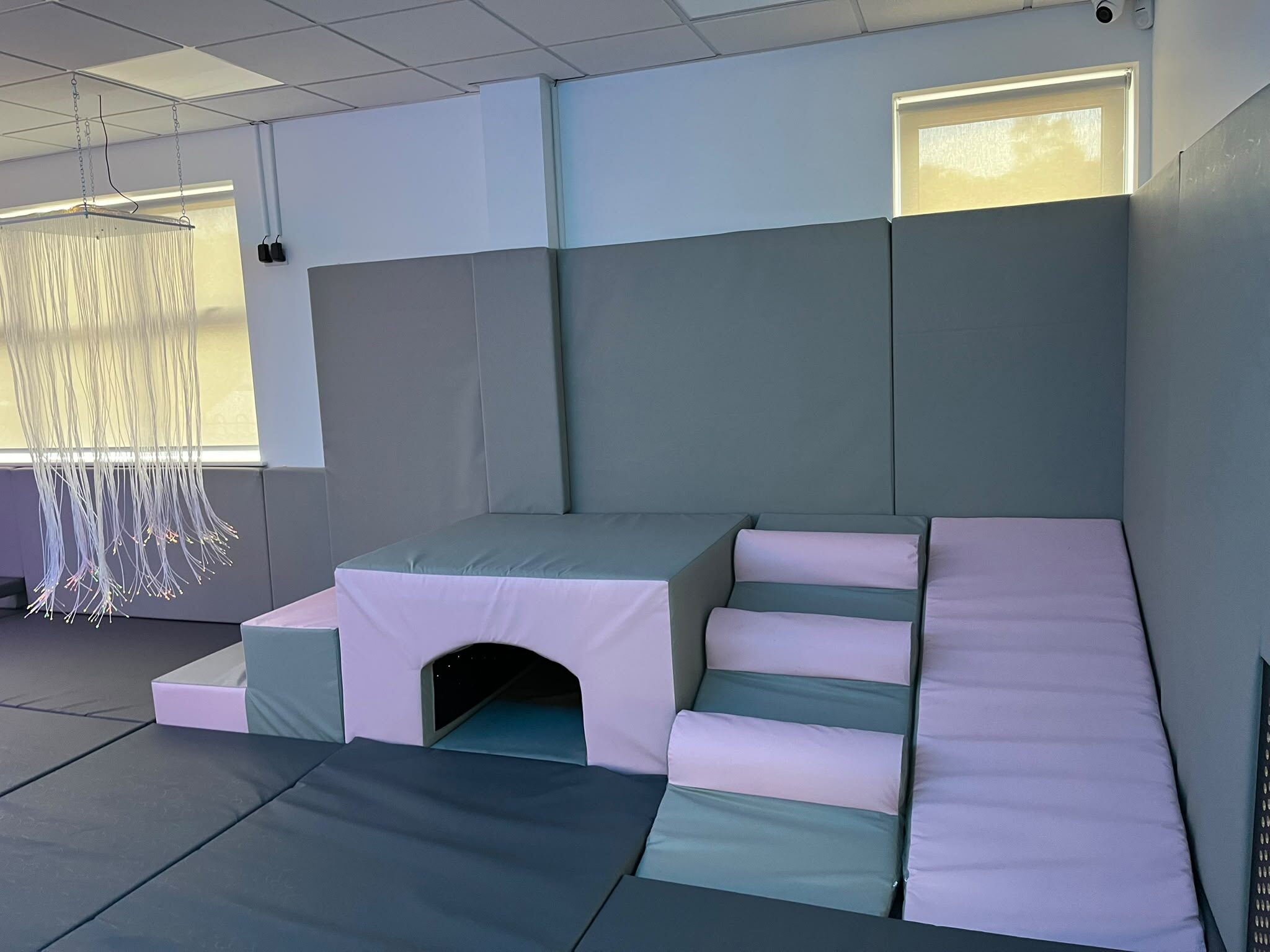
Soft play rooms
Padded rooms for climbing, crawling and rolling.
What should be in a sensory room?
There's no fixed list, but most rooms are built from the same families of equipment. The room's purpose decides which ones lead. Our bubble columns and the interactive panels we fit in our sensory rooms are made by TFH in Wales, and our padding and soft play is made in the UK.
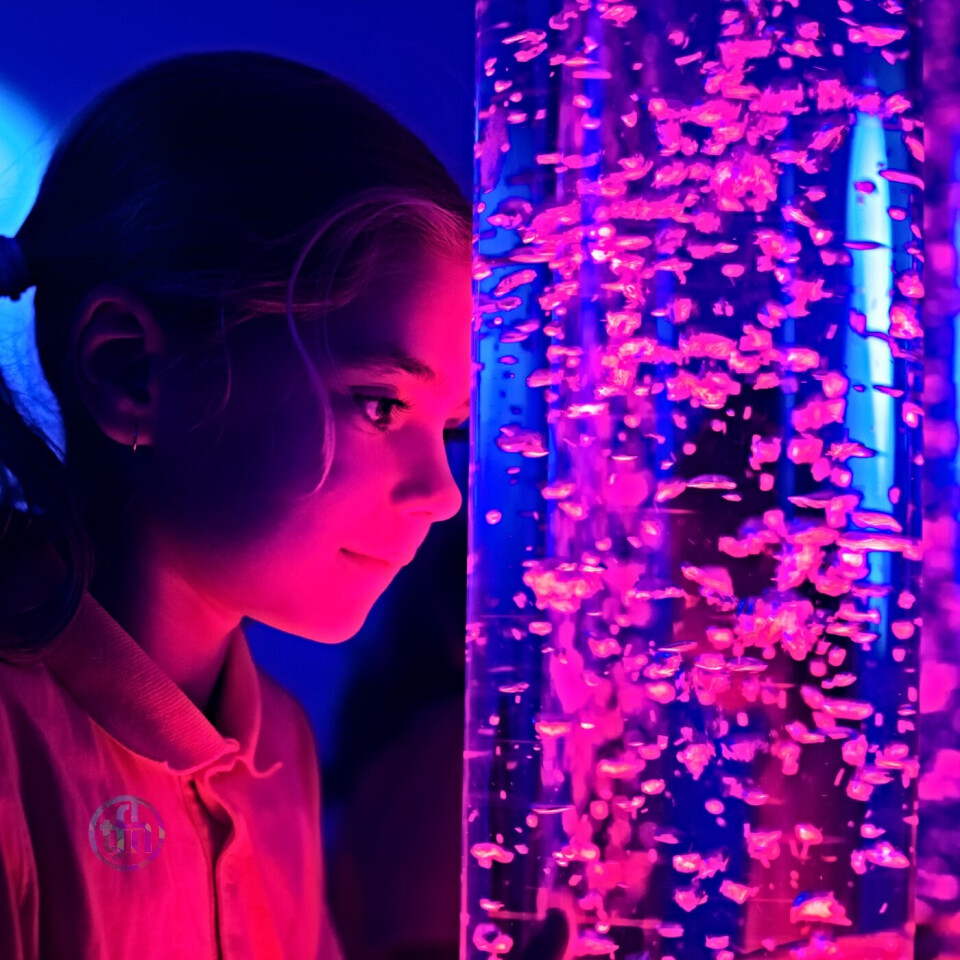
Bubble tubes
Usually the centrepiece: rising bubbles and changing colour.
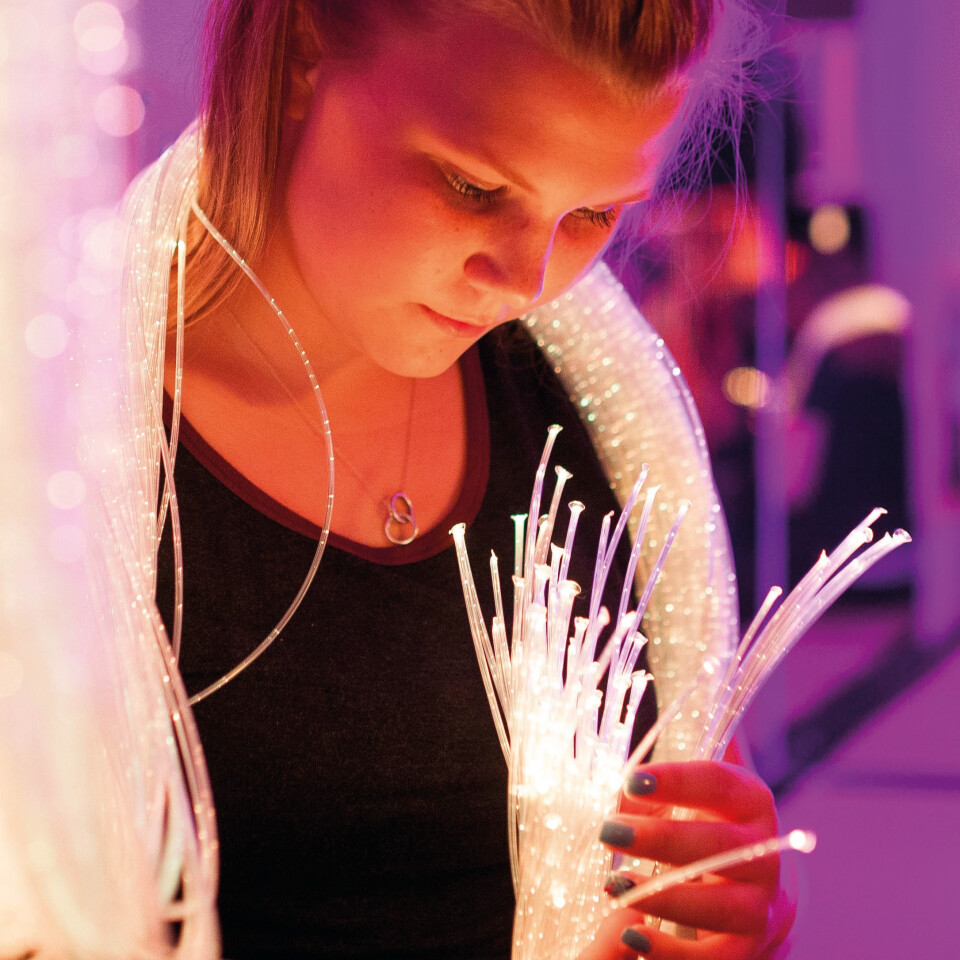
Fibre optics
Strands of soft light to hold, drape or lie under.

Projectors
Moving colour, stars or scenes across the walls and ceiling.
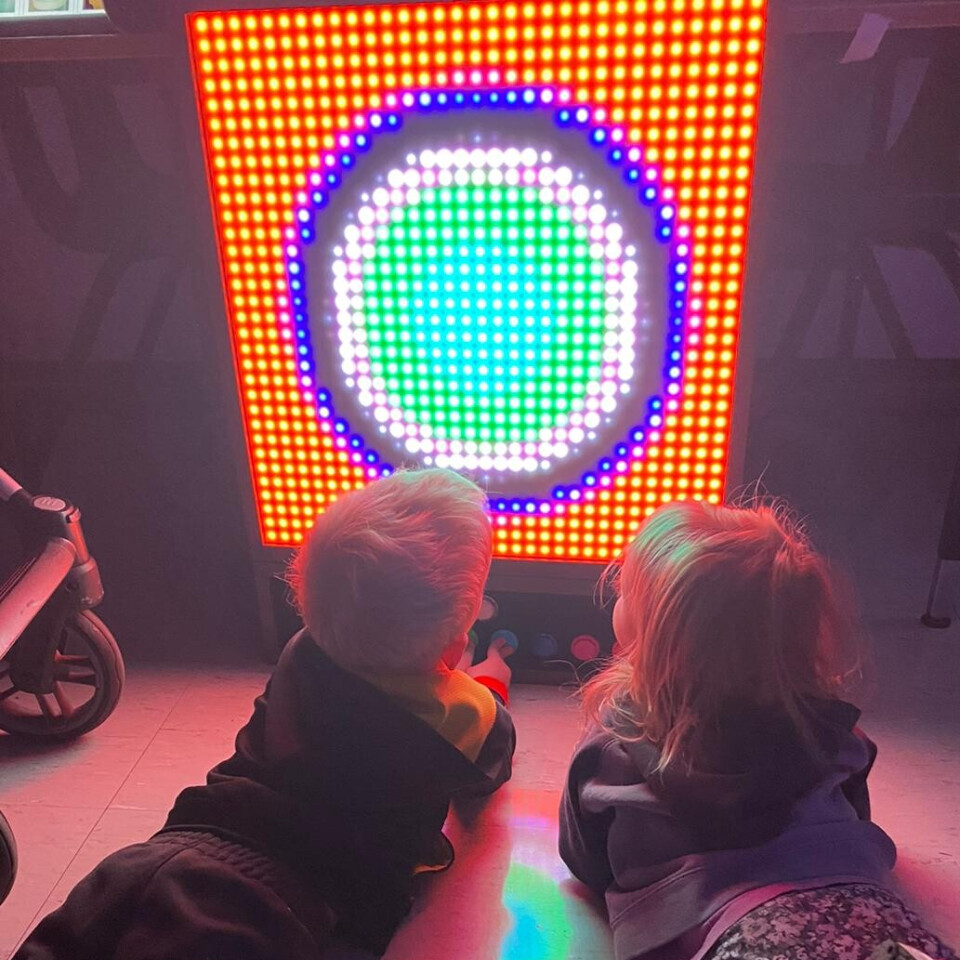
Interactive panels
Wall panels that light up or react to touch and sound.
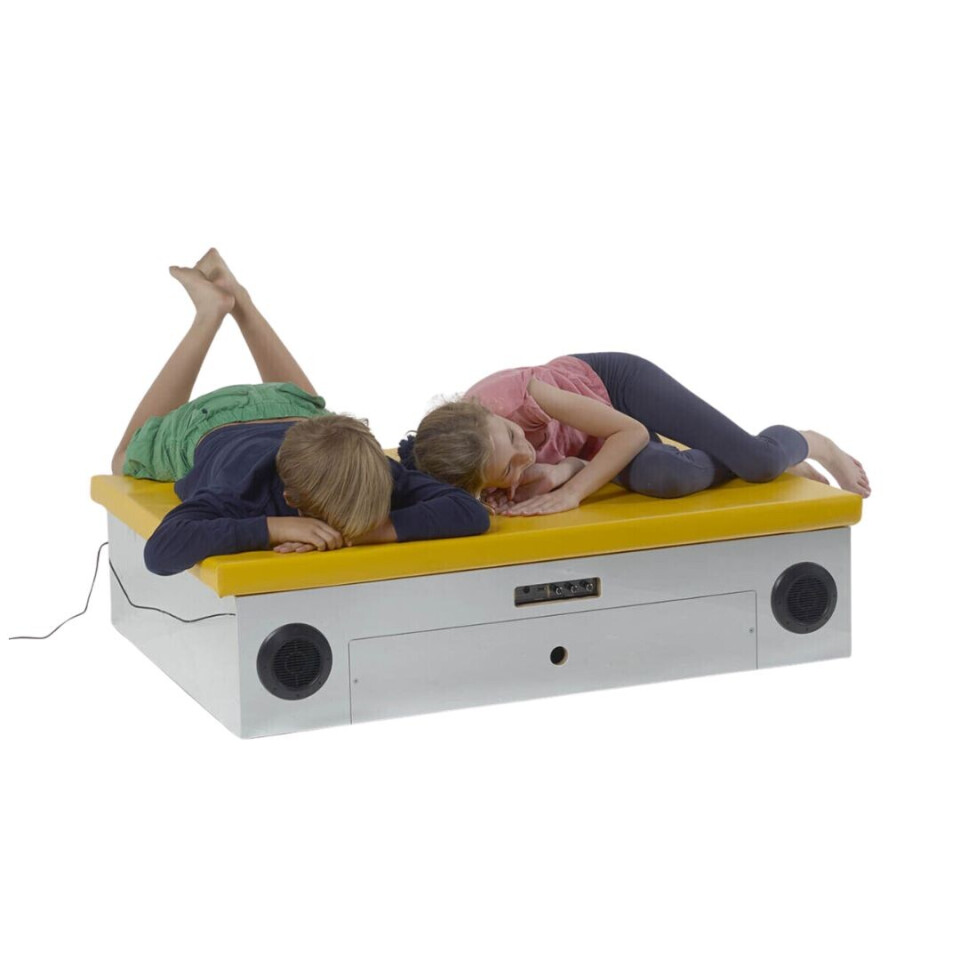
Sound and vibration
Resonance seating and platforms, so music is felt as well as heard.
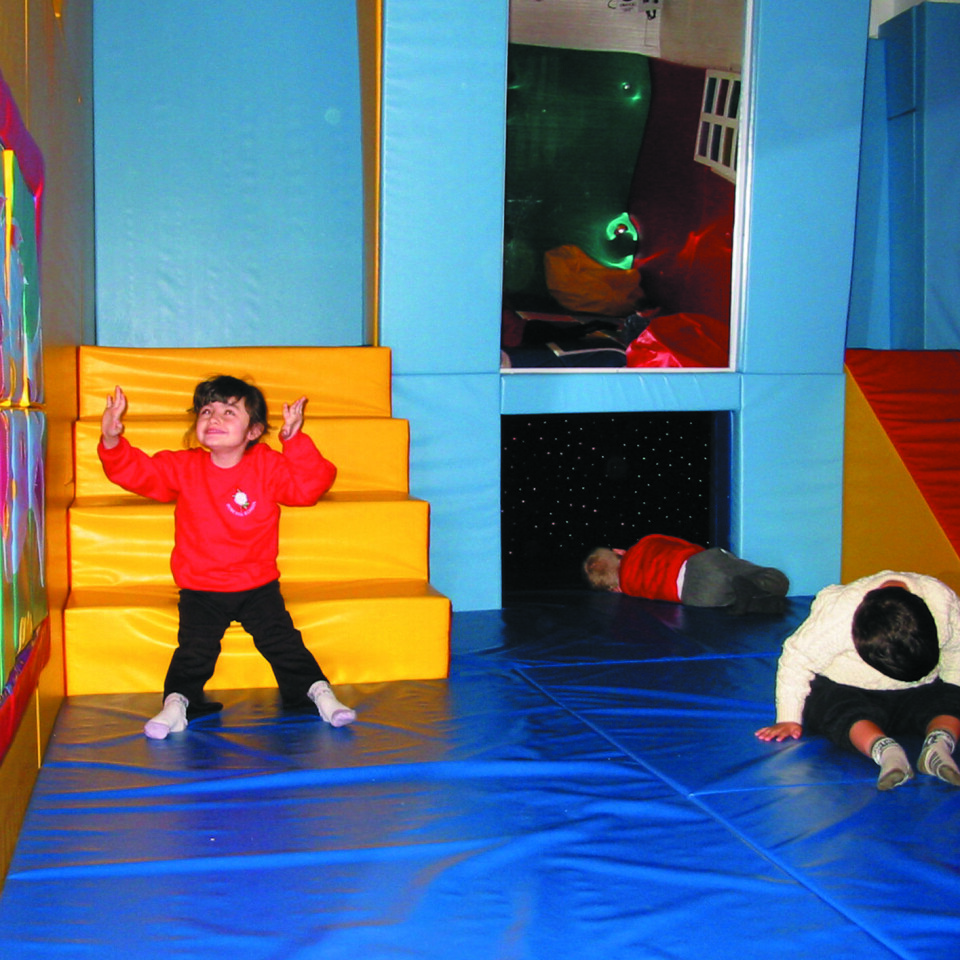
Padding and soft play
Made-to-measure floor and wall padding, dens and cushions.
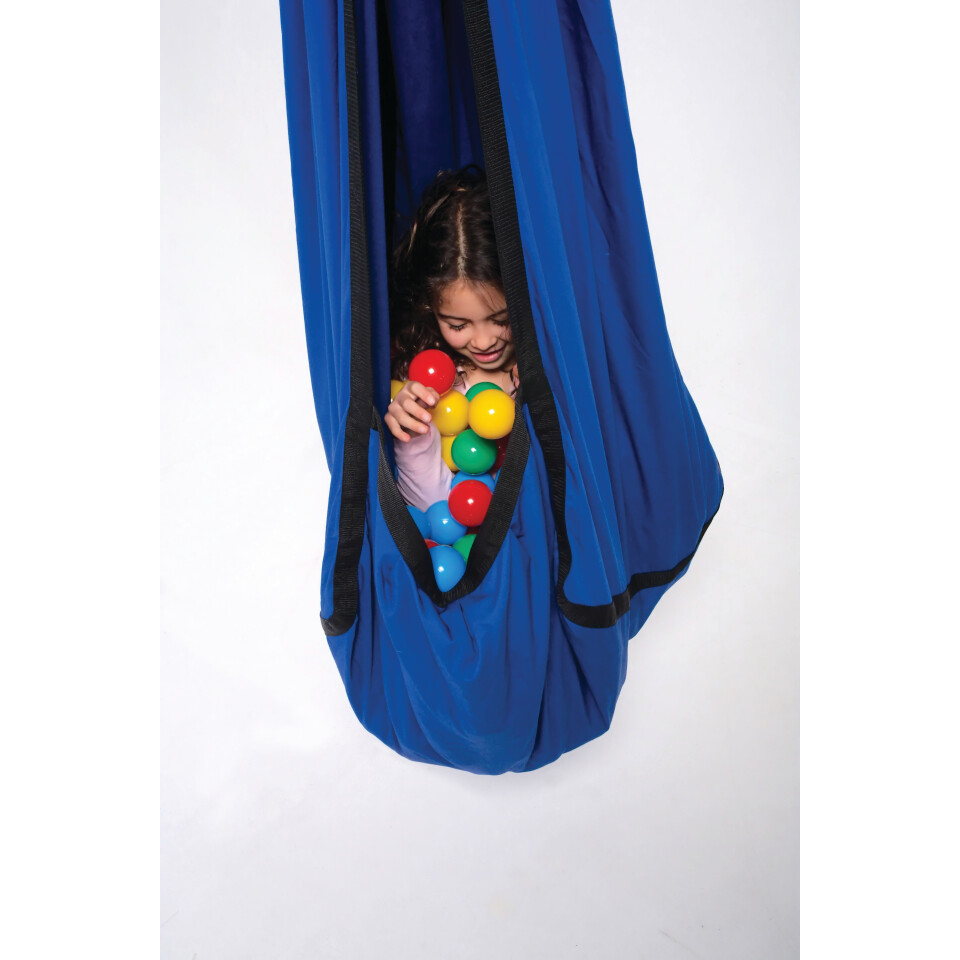
Swings
Platform, bolster and enclosed swings, with beams and frames.
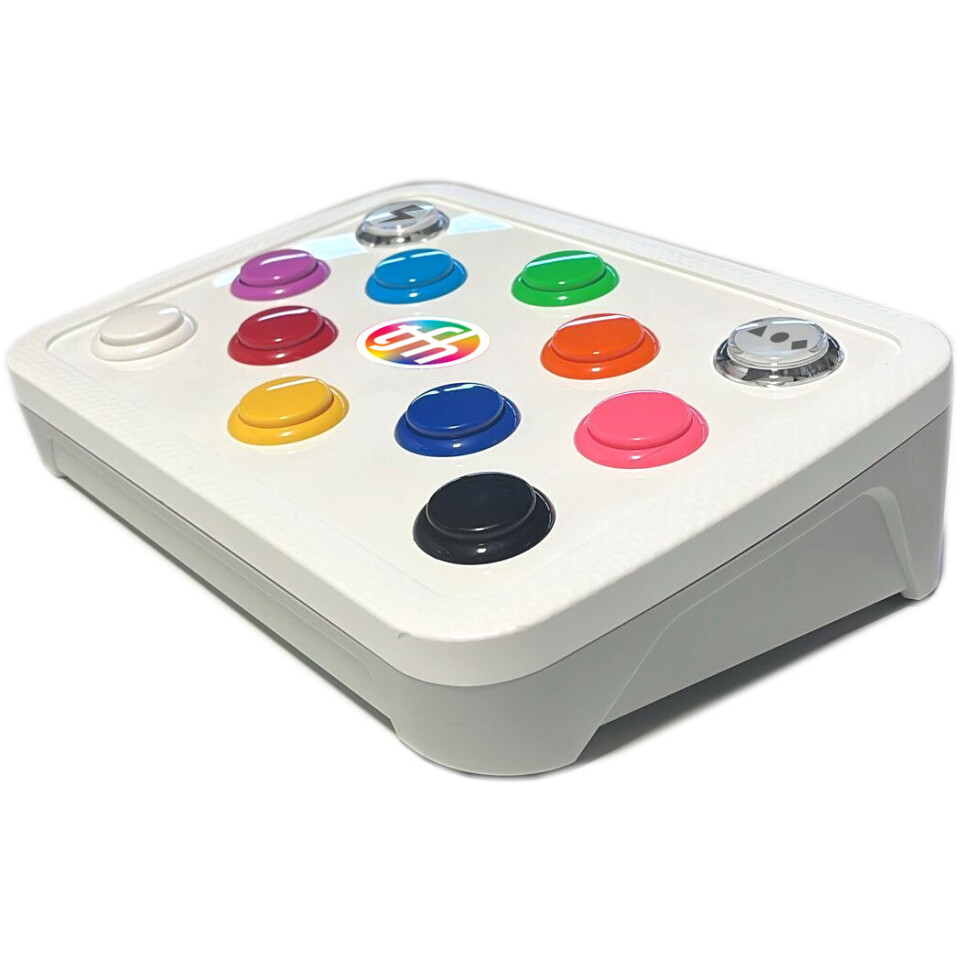
Switches and controllers
So the person using the room can change it themselves.
Browse everything in sensory room equipment.
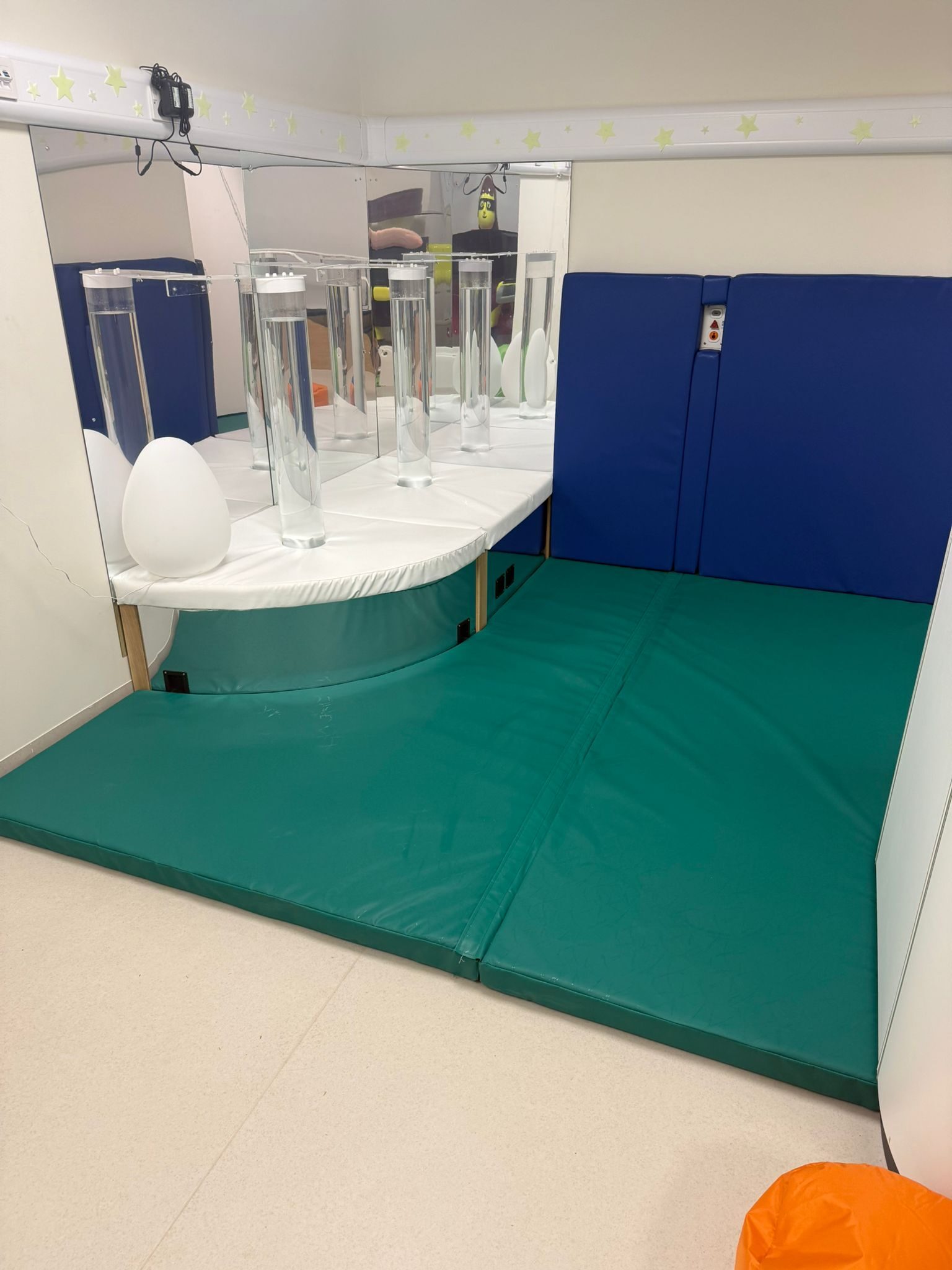
Sensory room ideas for small spaces and budgets
Start with a corner
A ready-made sensory corner fits the corner of a classroom or bedroom. Each one works on its own and alongside the others, so you can start with one and add more later.
Take the room to the person
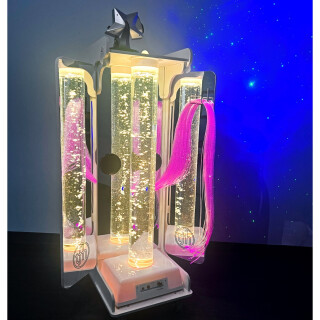
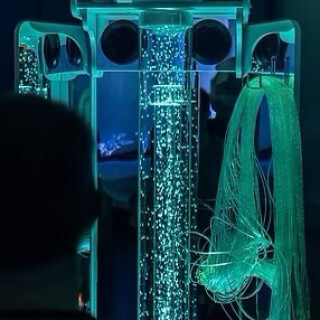
The Vecta puts a bubble column, projector, fibre optics and sound on one mobile unit. TFH designed it as the first mobile sensory room, so hospitals could take the room to the patient. It needs only a plug.
Plan the whole room, build it in stages
If budget is the limit, tell us. We'll design the complete room first, so the first pieces you buy are in the right place and nothing needs moving when you add to it.
Fit it yourself
Most of our equipment is easy to install, so a capable site team can save the installation cost. Made-to-measure padding is the exception: it needs very accurate measurements, so it's best for us to measure and fit it.
How much does a sensory room cost?
It depends on the size of the room and what goes into it, and padding makes the biggest difference. All prices below exclude VAT.
| Option | Typical price | What you get |
|---|---|---|
| Ready-made sensory corner | From £938 | A complete corner, such as the Padded Corner, that you can fit yourself |
| Vecta mobile sensory room | £1,500 to £7,000 | A portable unit that goes wherever there's a plug |
| Bespoke room, no padding | From around £5,000 | A room designed for your space, with equipment installed by us |
| Bespoke room with padding | Above £8,000 | Made-to-measure floor and wall padding, fitted over two visits |
| Most bespoke rooms | £8,000 to £30,000 | The average is around £12,000 |
For a £12,000 room, a typical split is around £8,000 of equipment, £2,300 of padding and £1,700 of installation. Our sensory room price guide has more detail, and our funding and grants guide covers how schools and charities pay for a room.
Get a free design and exact quoteHandpicked for you
Predesigned Sensory Options
Vecta Basic
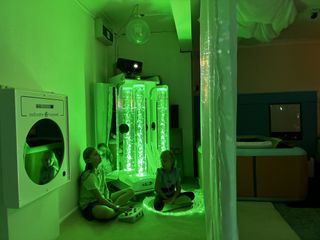
Vecta Deluxe
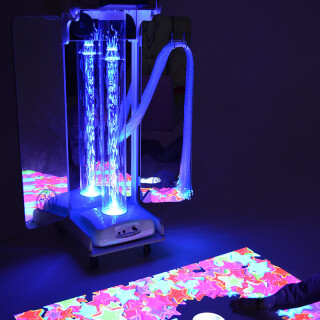
Vecta Budii
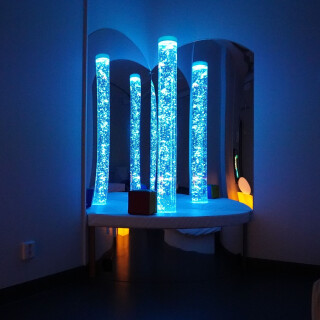
Bubble Column Corner
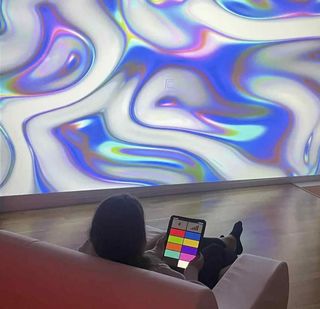
Chromatheme Corner
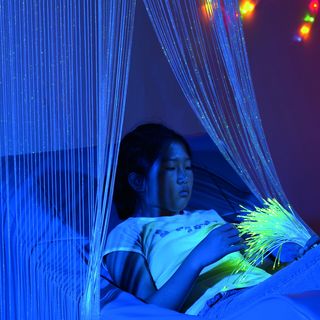
Resonance Corner
How we design and install a sensory room
We design, make and install sensory rooms across the UK. Here's how it works, from the first conversation to the finished room. More detail is on our design process page.
Tell us about the space
Send us the room's dimensions, a rough budget, who will use it and any ideas you have.
Free 3D design and quote
We send a 3D design and quote within a week, usually sooner.
Refine it together
Tell us what you think and we'll adjust the design until it's right.
We install the equipment
Once you've paid a deposit, we install the equipment and measure up for padding.
We fit the padding
Padding is made to measure, which takes around four weeks, then we come back to fit it.
Aftercare
Equipment has a one-year guarantee on routine faults. After that, we'll repair or service it and quote for the work first.
Want to see a room first? You can visit our showroom, or we can show you around remotely.
Start your free designSensory rooms we've installed
A few of the rooms we've designed and fitted. See them all in our sensory room case studies.
Park Lane, Special School
A large sensory room with interactive projection, mood seating, tactile panels and more.
View case study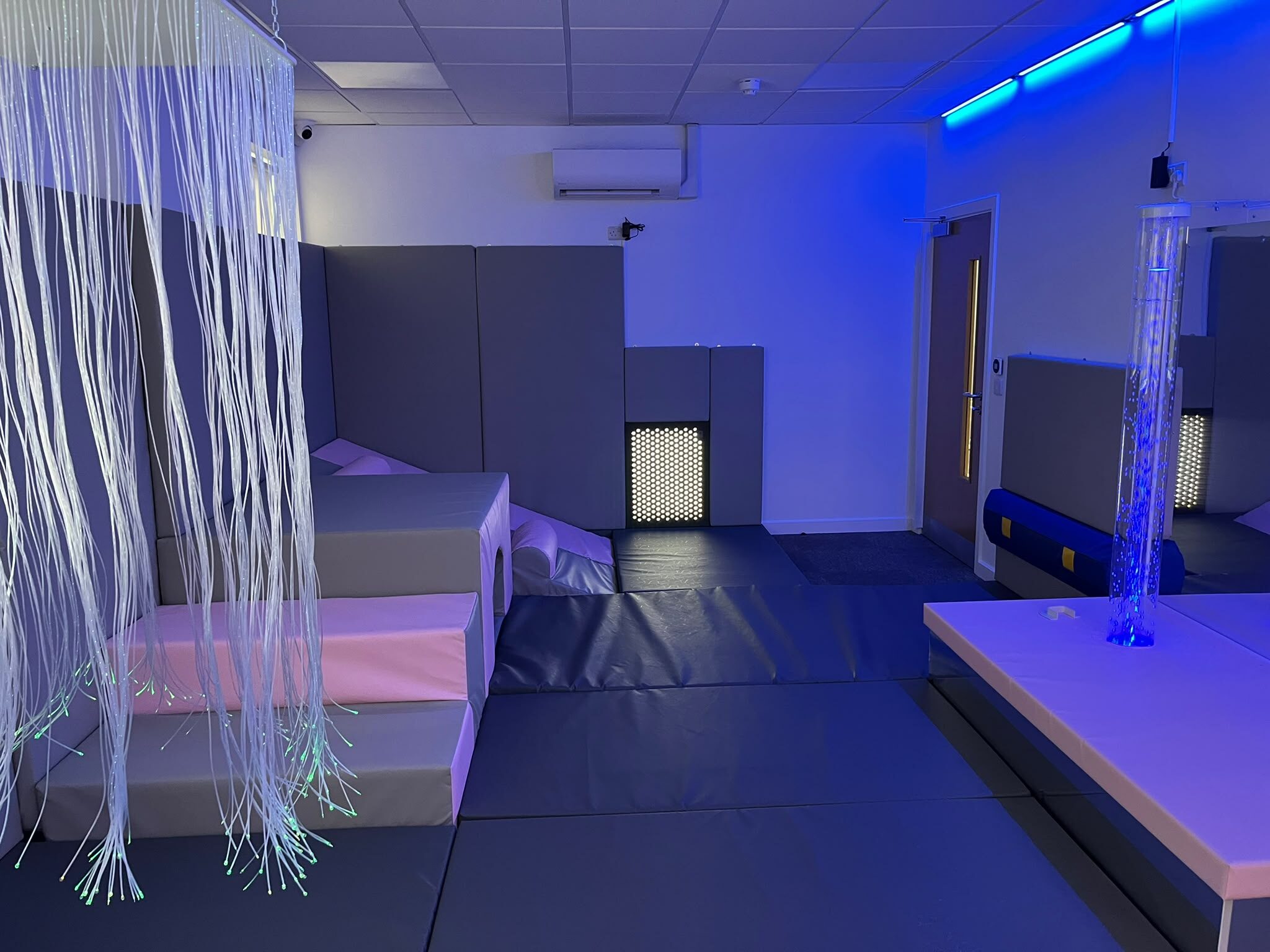
Little Woodlands, Nursery and Preschool
Three sensory rooms for three age groups, with interactive panels, soft play features and a ball pool.
View case study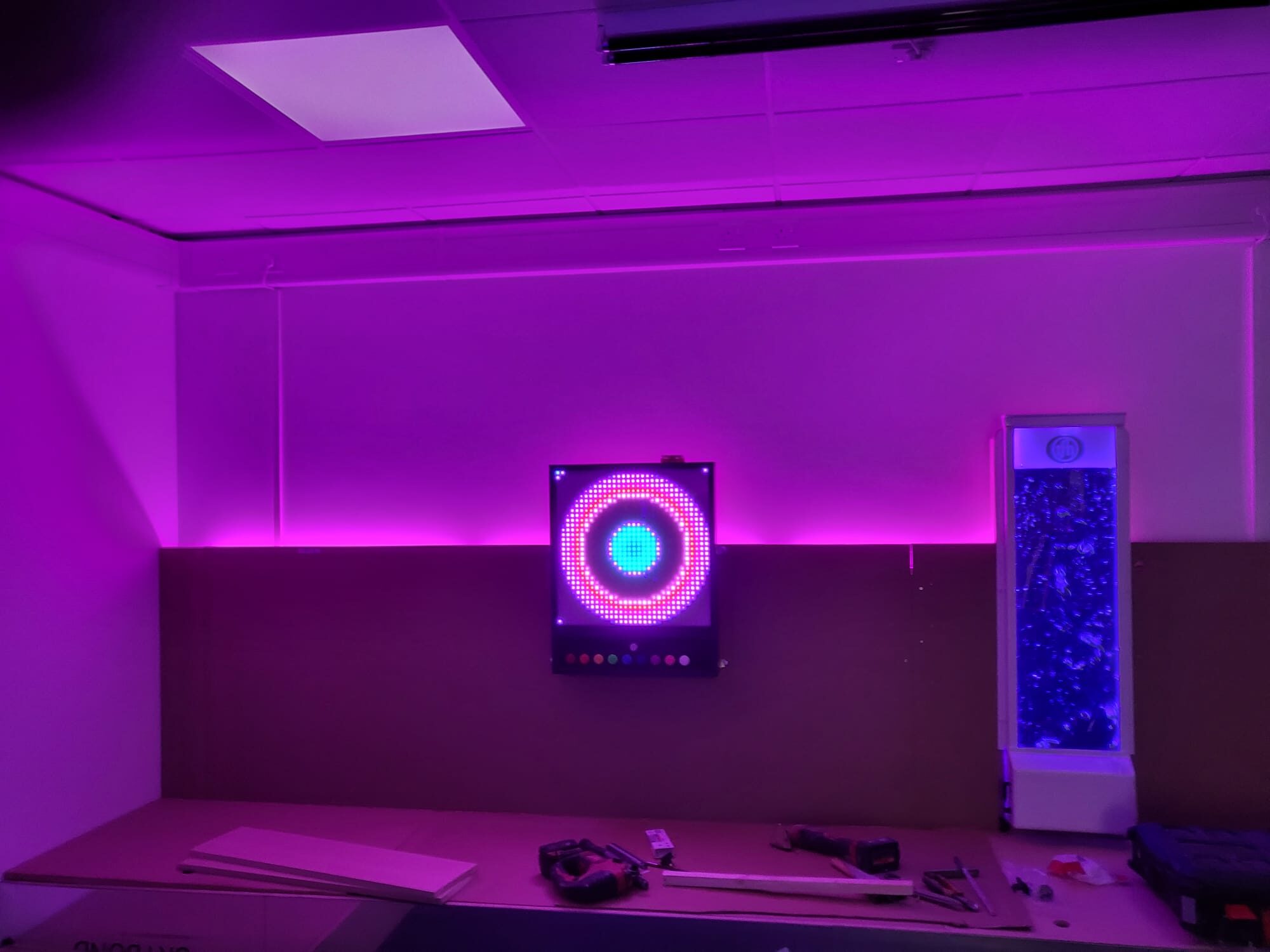
Heart of Worcestershire College
A large sensory room with excellent interactivity and relaxed seating.
View case studyMidland Metropolitan University Hospital
A simple sensory room with interactive projection.
View case studyClaire House, Wirral
A sensory integration room with sensory lighting, swinging and padding.
View case study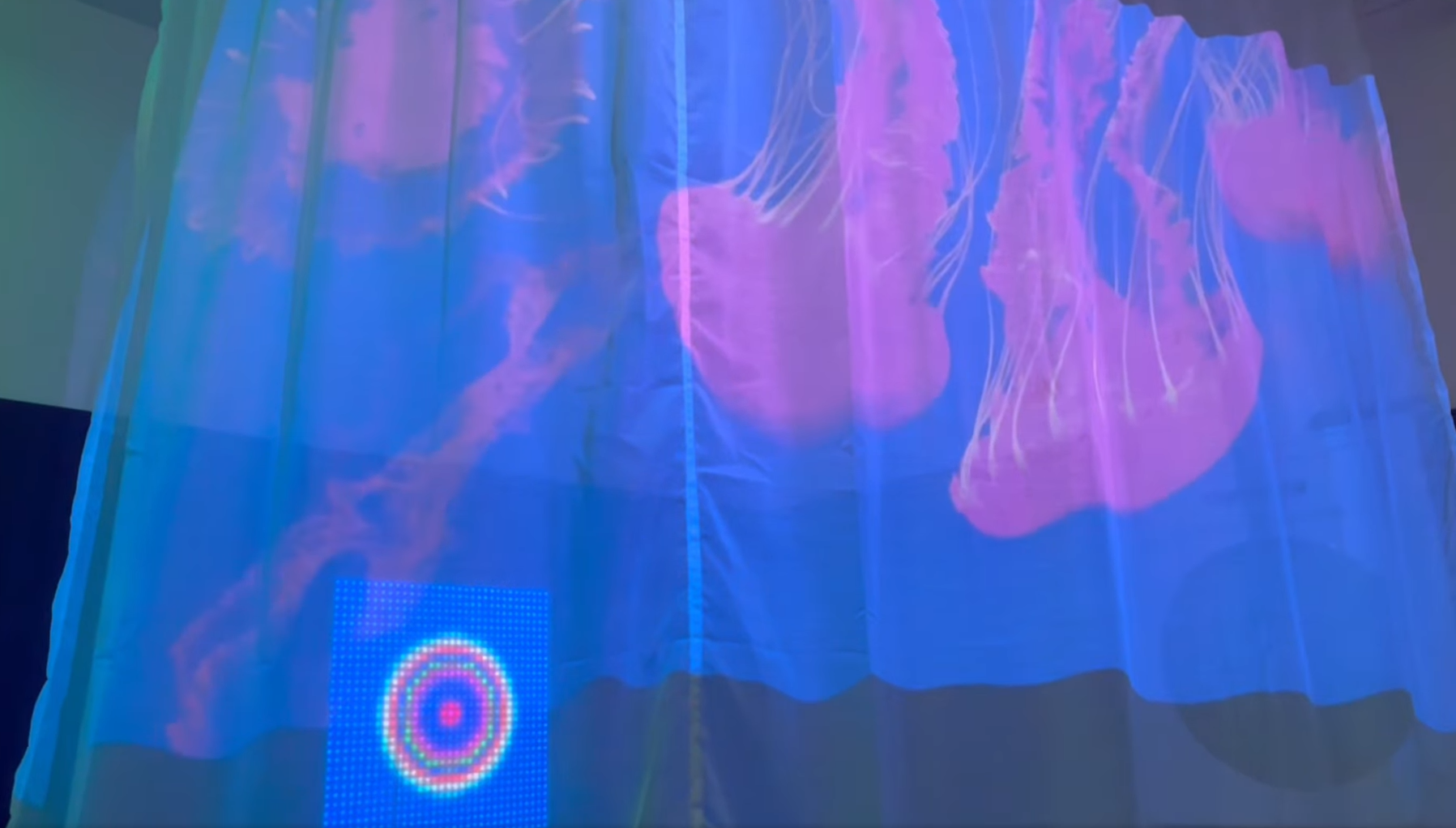
Odell Centre, Adult Day Centre
A fully interactive sensory room with floor and wall padding for adults attending the centre.
View case studySensory rooms in hospitals
Moving a patient to a sensory room can be difficult, which is why TFH designed the Vecta: the room goes to the patient instead. In a study published in the Journal of Pediatric Surgical Nursing in 2020, 112 children waiting for and recovering from same-day surgery at West Virginia University Medicine hospitals in the US were offered a Vecta. Over 98% of their caregivers said they would ask for it again, and 98.2% of nurses said it did not get in the way of their care (Trump et al., 2020).
See the Vecta range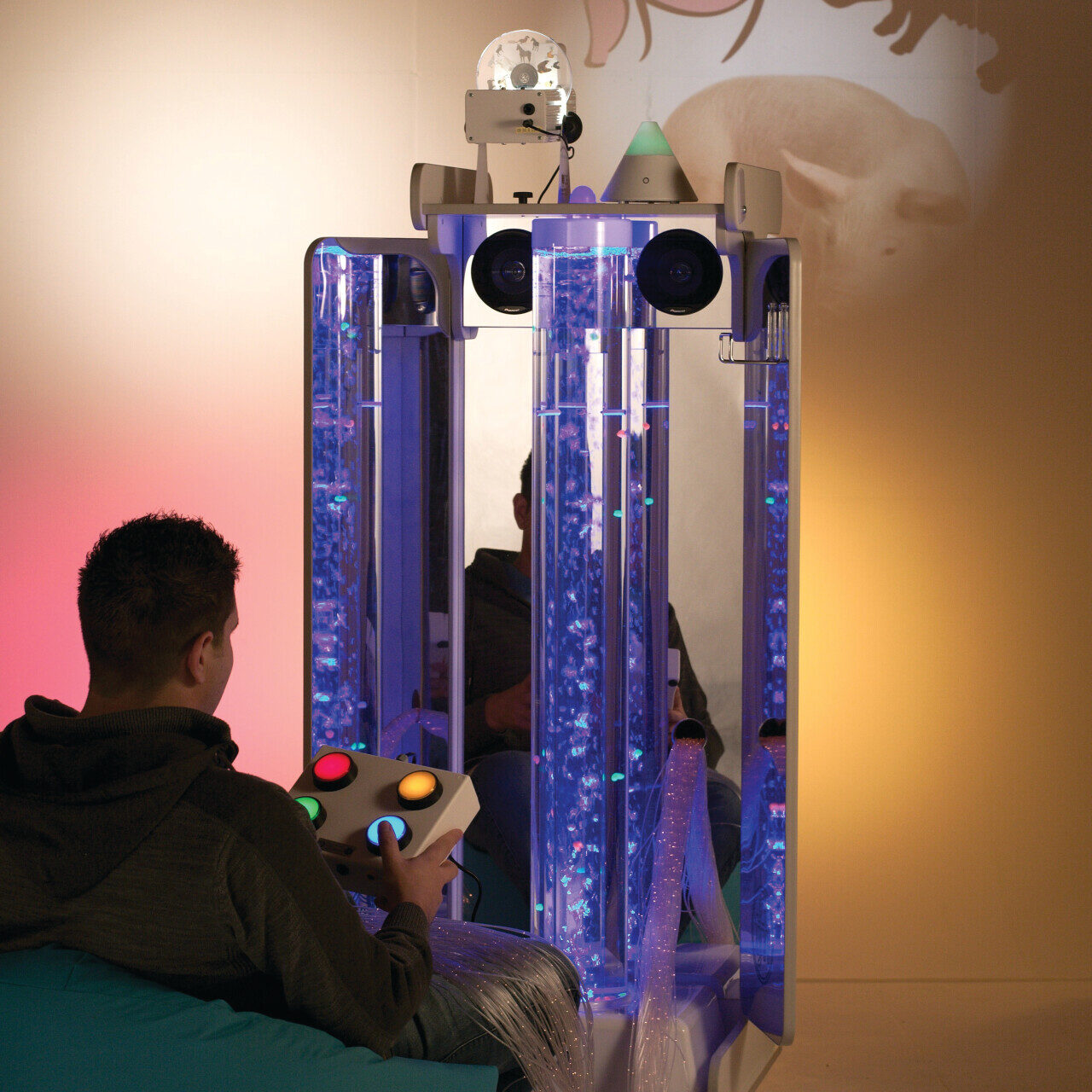
Why choose TFH for your sensory room?
We've designed and made sensory equipment for over 40 years, and we design and install the rooms ourselves. Our bubble columns and the interactive panels we fit in our sensory rooms are made in our own factory in Wales, and our padding and soft play is made in the UK, so we can tell you exactly how each piece works and what it's for. Read more about TFH.
Sensory room FAQs
What is a sensory room for?
It's a place to explore, play, relax or calm down at your own pace, with nothing that has to be achieved. Sensory rooms are used one to one and in small groups, in schools, hospitals, care homes and family homes.
What should be in a sensory room?
Most rooms include some of: a bubble tube, fibre optics, a projector, interactive wall panels, sound and vibration, padding and soft furnishings, and switches so the user can control the room. What leads depends on the room's purpose.
How much does a sensory room cost?
Ready-made corners start from £938 and bespoke rooms from around £5,000. With made-to-measure padding, prices start above £8,000, and most bespoke rooms fall between £8,000 and £30,000. All exclude VAT.
How big does a sensory room need to be?
There's no minimum. A bespoke room needs some clear, uncluttered areas. If you don't have a spare room, a sensory corner fits the corner of a classroom, and a Vecta needs only a plug.
What does a sensory room look like for autism?
There's no single design. Some autistic people want a calm, low-stimulus space with soft light and padding; others want movement, or plenty to see and control. We design around the people who will use the room, so tell us about them when you get in touch.
Do sensory rooms work?
The people who use them tell us they do, but good research is hard to come by. We've summarised academic papers on sensory rooms on our blog so you can read the evidence yourself.
Can we install a sensory room ourselves?
Yes. Most of our equipment is easy to fit. Made-to-measure padding needs very accurate measurements, so it's best for us to measure and fit it.
How long does it take?
We send a free 3D design and quote within a week, usually sooner. Made-to-measure padding takes around four weeks, and we fit it on a second visit.
Is there funding for sensory rooms?
Schools and charities often use SEND budgets, grants or fundraising. Our funding and grants guide covers the options, and we can supply visuals to help with a bid.
For us to create a design we need some details from you (find out more about the process). This will be easier over the phone or by email so please get in touch using the form below.
Sensory Room Contact Form
Want to find out more?
Our blog has guides to sensory rooms and their equipment, and summaries of academic research on sensory rooms. The latest posts are below.
12 November 2026
Dance then
Your body had a partner once. Now your mind is in charge. Your body learnt very quickly to support your head, and does t...
Read more →
Academic Breakdowns
12 October 2026
The experience of practitioners who have worked with autistic children in Sensory Rooms. Part 6
TFH are advocates of the Sensory Room and the first five parts to this extended blog testify to their usefulness. But very little in this world, save love and perhaps the bicycle, is an unall
Read more →
Academic Breakdowns
29 September 2026
The experience of practitioners who have worked with autistic children in Sensory Rooms. Part 5
practitioners described the SR Room as an effective teaching and learning environment and some considered this its main purpose.
Read more →