What is a sensory tent?
A sensory tent, also called a sensory den, dark den or sensory pod, is a small enclosed space that cuts down what reaches the person inside it. The walls block out some of the light, glare and movement of the room, and the doorway stays open, so going in and coming out is always the user's choice.
The den
A semi-permeable fortress surprisingly effective.
Concentration
Fewer sensory channels, allows focus.
Sense of control
The door is open; access is the user's choice.
Reducing overload
Light, glare and the press of eyes filtered out. The world admitted at a strength the body can use.
Transitions
A consistent well-known place for when the room becomes too much there if needed, not required.
Which sensory tent or den should I choose?
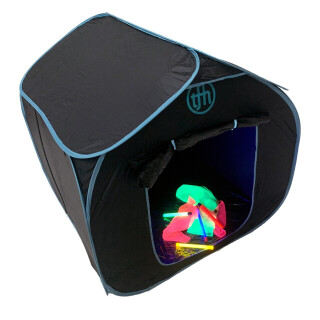
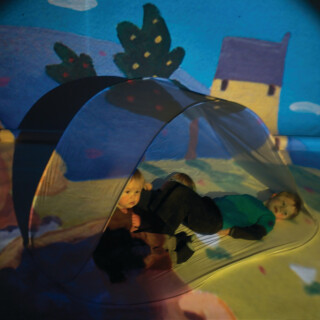
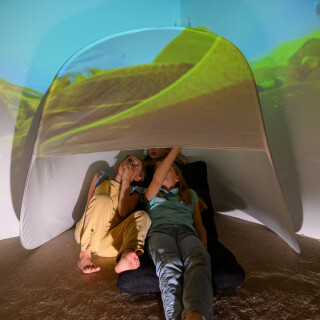
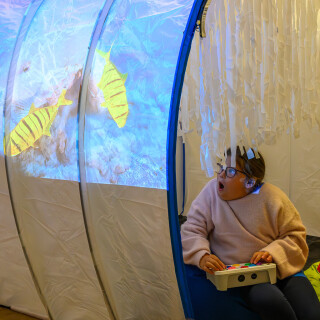
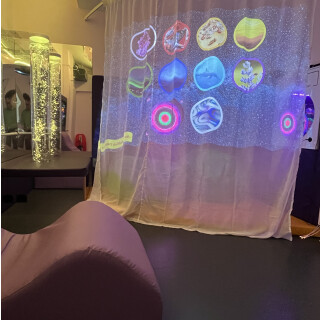
Pop-up sensory tents. The Cosy Cavern is a 1.2m pop-up cube with a sturdy floor and a roll-up door, and packs away into its own case. The Projection Bubble is a pop-up tent that folds away into a bag, and the Personal Bubble is a dome tent with an inside surface made for projecting onto.
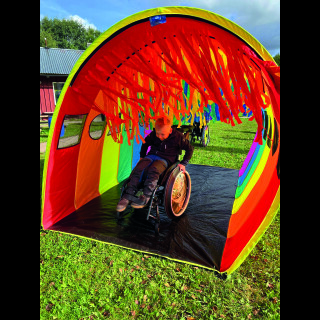
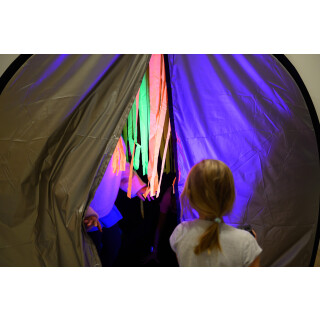
Dark dens and blackout tents. A dark den keeps out as much light as possible, so lights, UV and glowing toys stand out inside. The Blackout Tunnel uses flap closures that keep out much more light without shutting anyone in, and comes with four fluorescent curtains. The Cosy Cavern is a UV den, made for ultraviolet light, which works best in the dark.
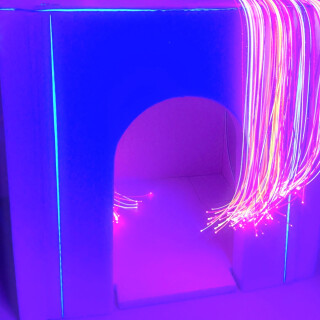
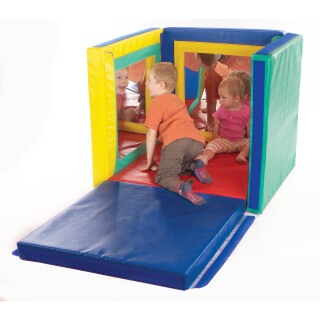
Soft and mirror dens. The Mirror Den is five 3-inch foam pads that fold into different shapes, with three detachable mirror panels, and makes an 80cm cube. The Hidey Hut is a fold-flat den lined with a tunnel of mirrors, with a large doorway so whoever is inside stays in touch with the room. It's designed to be lit with fibre optic tails, sold separately.
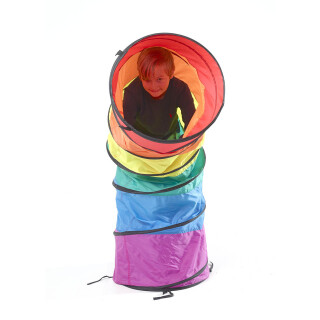
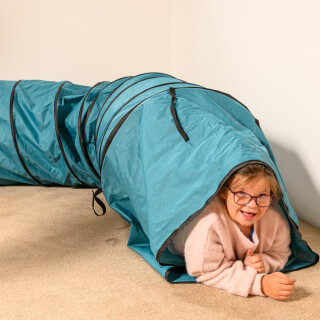
Tunnels. For crawling through rather than settling in, see the Projection Tunnel, the 2.75m Adventure Tunnel and the Giant Tickle Tunnel, which is well ventilated and easy to see into.
Sensory tents with lights
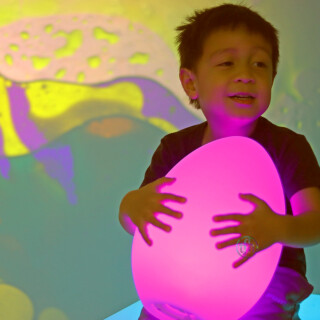
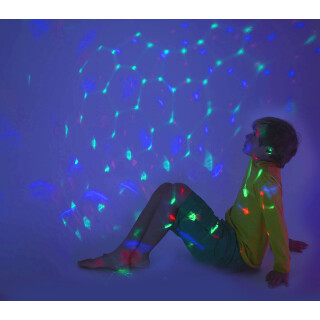
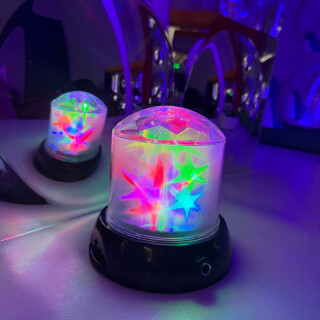
A tent is at its best with a light inside. The Fibre Optic Plume is a handheld spray of glowing strands, the Sensory Mood Egg glows and slowly changes colour, and the Kaleidoscope Lamp sends ripples of colour across the walls. In a UV den, a UV Torch makes fluorescent colours glow. The Projection Bubble and Personal Bubble are made to be projected onto: pair them with one of our projectors, sold separately. Browse more in Sensory Lights.
Sensory tents for autism
Families, schools and carers often look for sensory tents for autistic children and adults. What suits one person won't suit another: some want a dark, enclosed den, while others prefer a tent with a wide doorway so they can still see out. We describe how each tent closes, how much light it lets in and how big it is, so you can choose what suits the person you're buying for. You can also browse our whole range by need in Shop by Disability.
Sensory tents for kids and adults
Size matters most. The Mirror Den is an 80cm cube and the Cosy Cavern is a 1.2m cube, while the Blackout Tunnel and Projection Tunnel are larger, at around 160 × 135 × 170cm. Check the dimensions on each product page, or ask us which tent will fit the person you're buying for and the space you have.
Dark dens for schools and nurseries
We accept purchase orders, and our funding and grants guide covers what's available for schools and young people. A den is often the first step towards a calm space. If you're planning more, see our calming and de-escalation rooms, our guide to sensory rooms or ask for a free sensory room design.
Are sensory tents safe?
Always use a sensory tent under adult supervision, and choose one with a doorway the person can get in and out of easily. Pop-up tents spring open when they come out of their bag, so open them away from faces. Most of our toys are tested to EN 71, the European toy safety standard; if you need the standard for a particular tent, just ask us.
Written by John Tidmarsh, TFH UK.