What is a wobble cushion?
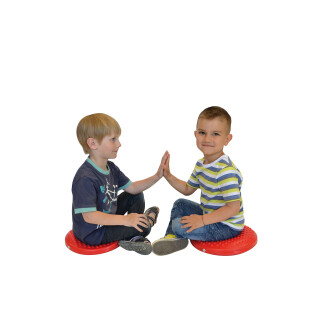
A wobble cushion is an air-filled disc that shifts under you when you sit, kneel or stand on it. Our Air Cushion Small is 32cm across and made to fit nursery and primary school chairs, and the Air Cushion Large is 55cm. One side has a textured surface, and you can let air out or pump it up to make it steadier or wobblier.
Wobble board or wobble cushion?
A wobble board is something you stand on and keep level. A wobble cushion is mostly something you sit on, so the wobble carries on while you're doing something else, like listening, reading or eating. If you want balance to be the activity, choose a board. If you want movement to happen in the background, choose a cushion or a wobble seat.
Which balance toy should I choose?
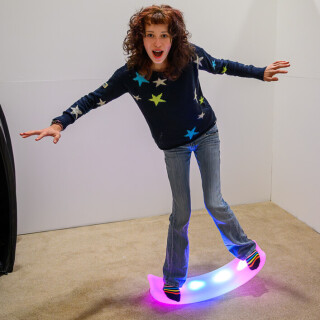
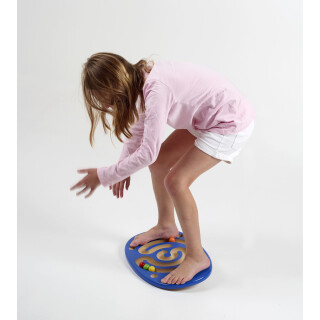
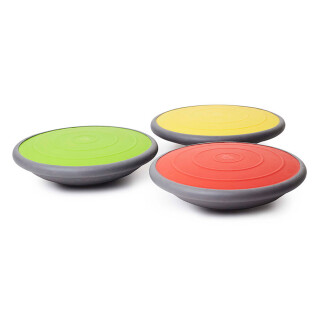
Balance boards. The Balancing Board Maze is a wooden wobble board, 45 x 30cm, with a maze set into the top and three balls to roll through it. Stand on it and tip it with your feet, or hold it and tilt it with your hands. Start with one ball, then two, then all three. There's also the Light Up Balance Board. The Air Balance Boards are a set of three, each a hard surface on a soft inflatable base, for ages 3 and up and loads up to 100kg.
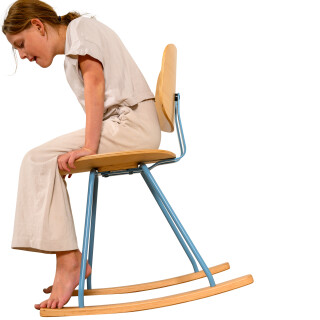
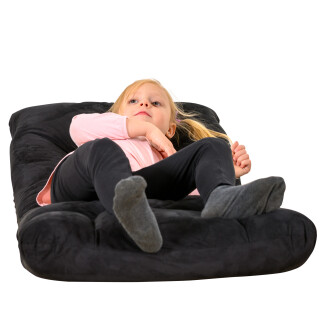
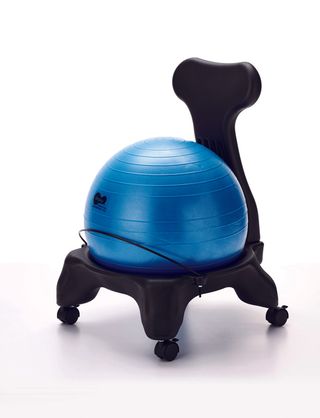
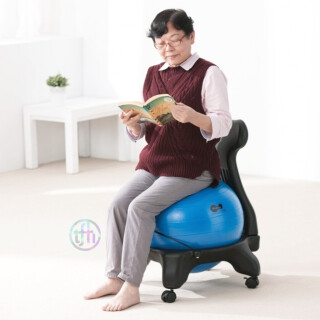
Wobble chairs and active seating. The Mindflow Steady Chair is a quiet rocking chair for a body that wants to keep moving while it sits. The Modern Ball Chair is a therapy ball held in an office chair frame. The Small sits 42 to 44cm off the floor and takes up to 60kg, and the Large sits 58 to 68cm off the floor and takes up to 100kg. The Jiggler looks like a comfortable stool but isn't: it's a stack you have to actively balance on, and flipping it over makes it steadier. For sitting low, there's the Chill Floor Seat.
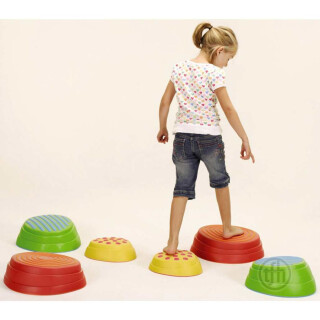
Balance stepping stones. Riverstones come in three sizes, each with a different slope, with anti-slip tops and bases. Lay them out as a path or stack them to make the crossing harder. They're for ages 2 and up.
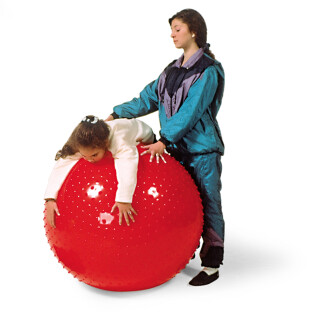
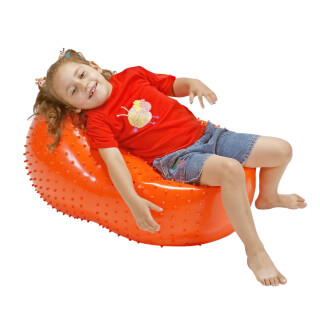
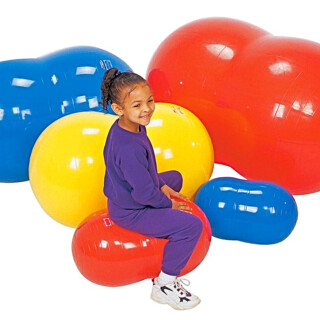
Therapy balls and rolls. Choose from the Therapy Ball Large, Therapy Ball Medium and the textured Large Therapy Sensory Ball. Physio Rolls come in five sizes. The Sensory Roll is 80cm long and 40cm across, covered in knobbles, and rolls in two directions so a child can sit in the middle or lie across it on their front or back. Keep them pumped up with the Power Inflator or Ball Pump.
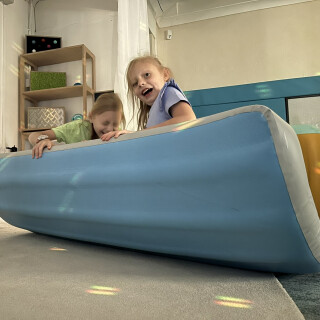
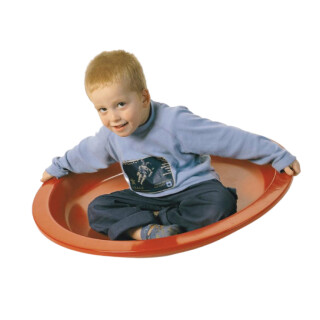
Rockers. The Air Body Rocker and Rock Around are here too. For more rocking, spinning and bouncing, see Spinning Seats, Rockers and Bouncers.
Starting easy, making it harder
Most of these grow with the child. Pump more air into an Air Balance Board and it moves faster and gets harder. Stack the Riverstones and the steps get steeper. Add a second and third ball to the Balancing Board Maze. Nobody needs to be told they've moved up a level; they'll notice when it gets tricky.
Wobble seats in the classroom
Some children listen better when part of them is moving. A wobble cushion on an ordinary chair, a Modern Ball Chair at a desk or a Mindflow Steady Chair in the reading corner lets that happen without anyone leaving their seat. The small Air Cushion is sized for nursery and primary school chairs. Parents and teachers often ask about wobble seats for autistic children and children with ADHD; an occupational therapist can help you work out whether a cushion, a ball chair or a rocking chair suits a particular child best.
Weight limits and safe use
Each product has its own limit, so check the product page. The Air Cushion is recommended for users up to 45kg, the Air Balance Boards and Modern Ball Chair Large take up to 100kg, and the Modern Ball Chair Small up to 60kg. Use balance boards and stepping stones on a clear floor, away from furniture and hard edges, and keep an adult close by while a child is learning. The Jiggler is meant to be balanced on, so don't use it as an everyday chair.
For schools and sensory integration rooms
Schools can pay by purchase order, and VAT relief is available on several products here, including the Mindflow Steady Chair and Jiggler, for eligible buyers. Balance equipment sits naturally alongside swings and crash mats in a sensory integration room; if you're planning one, ask for a free sensory room design.
Written by John Tidmarsh, TFH UK.