Funding and Grants for Sensory Rooms
Sensory rooms are a big investment. TFH doesn't provide funding itself, but this page points you to the main grants and funding options available to schools, settings and families. A free design and quote from us can help support a funding bid.
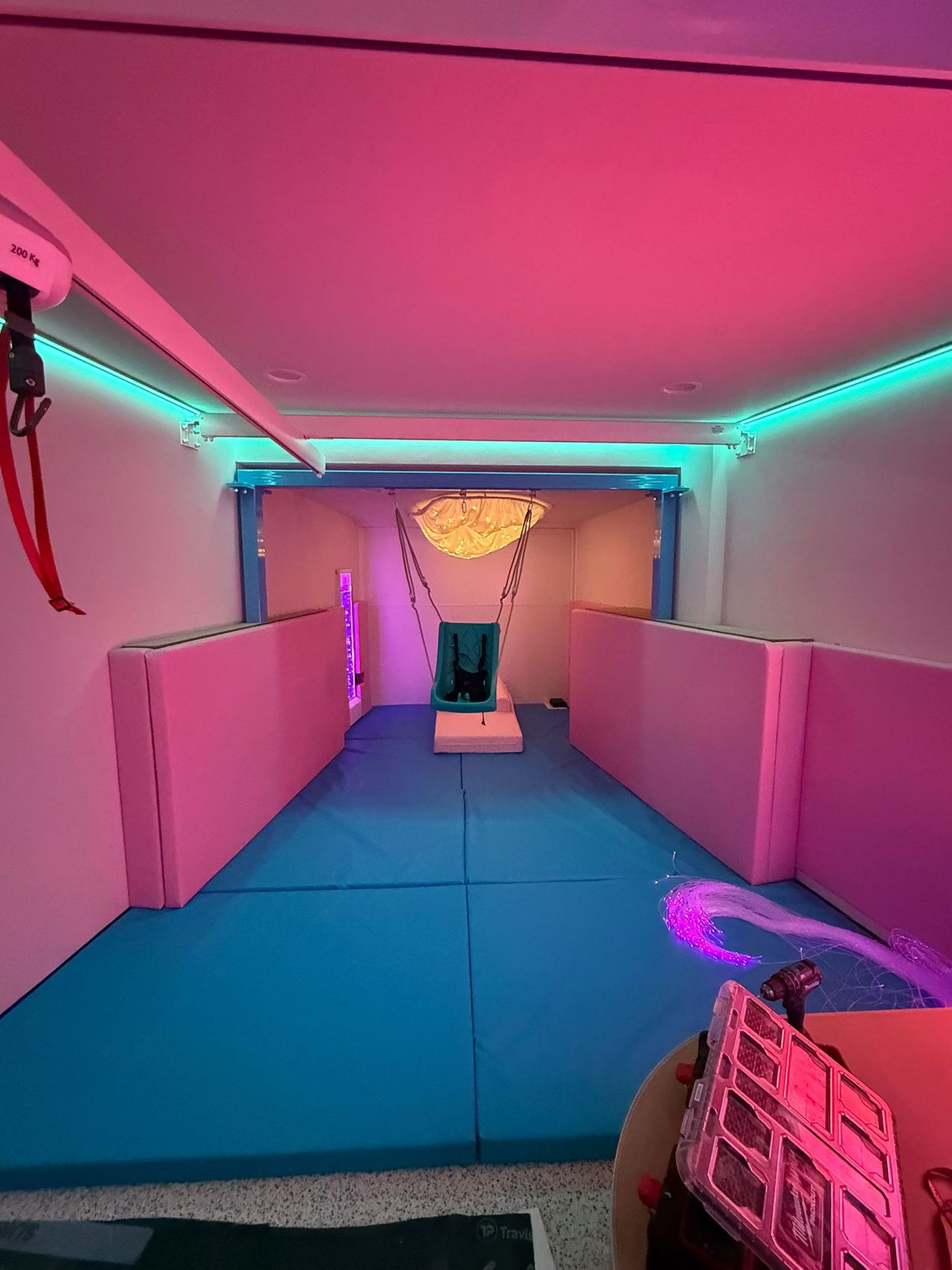
Who we have installed for:









Funding at a glance
Which funding fits your setting?
Schools
The Inclusive Mainstream Fund, SEND capital funding through your council, and Wooden Spoon grants for sensory rooms.
Charities and community groups
Newlife Community Play grants, the Baily Thomas Charitable Fund and National Lottery Awards for All.
Nurseries and early years
The Disability Access Fund, £975 a year for each eligible child, towards equipment and adjustments.
Families
Family Fund and Caudwell Children can help with sensory equipment at home.
Charity grants
These charities fund sensory rooms or sensory equipment for schools, charities and community groups. Each has its own rules, so check the details with the funder before you apply.
Newlife Community Play grants
Up to £1,000 · grassroots groups and registered charities · children up to 18
If you run programmes for disabled children and young people up to 18, Newlife's Community Play grant offers up to £1,000 for toys from its preferred suppliers, plus training for your staff on using them. It can be a genuine head start on setting up or expanding a sensory room. You'll need to take part in the full programme, including training, surveys and impact reporting, and it's only open to organisations that haven't applied for a Newlife toy grant before.
TFH is a trusted supplier for Newlife's Community Play sensory equipment, so we know what qualifies and how to make a grant go further. Newlife's Community Play Specialist can help you put a list together, or talk to our team and we'll build a spec that fits your space and your £1,000.
Wooden Spoon
No set minimum or maximum · schools, charities and clubs · UK and Ireland
Wooden Spoon, the children's charity of rugby, funds sensory rooms in schools across the UK and Ireland. Recent grants include £10,000 for a sensory room at Wyre Forest School in Worcestershire and £14,000 for one at St Clare's Catholic Primary School in Merseyside. You can apply at any time, starting with a short expression of wish form.
A sensory room counts as a physical project, so it needs to last at least five years, and the money has to be spent within 12 months of the grant being awarded. Wooden Spoon encourages you to raise around 20% yourself where you can, and organisations that have had a grant from them in the last five years usually can't apply again.
The Baily Thomas Charitable Fund
Small grants up to £5,000 · charities, schools and PTAs · learning disability and autism
Baily Thomas supports children and adults with severe learning disabilities and autism, and sensory rooms are one of the types of project it lists. Requests under £9,000 go through its small grants programme, which awards up to £5,000 and usually decides within about a month. Bigger requests are decided at trustee meetings held in March, June and November.
National Lottery Awards for All
£300 to £20,000 · charities and community groups · separate programmes for each UK nation
Awards for All funds community projects, so it suits charities and community groups creating a sensory space that local families and groups can use. It's a much harder route for schools. The fund says it's less likely to fund projects in schools and won't pay for improving school facilities or equipment, so a school bid would need to mainly benefit the wider community rather than pupils. Decisions in England are currently taking up to 16 weeks, so apply well before you need the money.
Government funding
Most government funding for sensory spaces covers England only and goes through schools, councils or early years providers rather than being something you apply for directly.
The Inclusive Mainstream Fund
Paid automatically · mainstream schools in England, ages 5 to 16 · April 2026 to March 2029
The Inclusive Mainstream Fund is a Department for Education grant paid to every state-funded mainstream school in England, including academies and free schools. Schools don't apply for it, the money arrives automatically. In 2026–27 each school gets a £3,000 lump sum plus £16 per primary pupil or £14 per secondary pupil, with extra for pupils with low prior attainment. As a rough guide, a 200-pupil primary with 20 of those pupils would get around £7,800 before a regional cost adjustment. Unspent money can be carried forward but has to be used by 31 March 2028.
Every school has to publish an inclusion strategy on its website by 31 December 2026, setting out how it will use the money across the DfE's seven principles of inclusion. A sensory space sits most naturally under the seventh, "inclusive environments with continuous improvements to accessibility". The fund covers England only, and you can look up your school's allocation on GOV.UK.
Does the Inclusive Mainstream Fund cover sensory rooms?
Not a full build. The grant conditions rule out capital works, so building work, structural changes and fitting out a padded room aren't something the fund can pay for. What the DfE guidance does point to is making classrooms, corridors and other busy spaces work better for pupils with sensory needs, setting up quiet spaces for break and lunchtimes, and equipment that removes barriers to learning.
Sensory equipment for a calm space, a Sensory Corner or portable sensory stations may fit, as long as it's part of your inclusion plan and isn't paying for something the school already funded. Check with your school business manager how larger items would be classed before you commit. For a full sensory room, the fund works best alongside other funding rather than instead of it.
SEND capital funding
At least £3 billion · allocated through councils in England · up to 2029–30
This government capital funding is going to councils to create around 50,000 SEND places in mainstream schools, including calm learning spaces and breakout spaces. It doesn't name sensory rooms specifically, so talk to your council's SEND or capital planning team about whether a sensory space could be part of their plans.
Disability Access Fund
£975 per eligible child per year · nurseries, pre-schools and childminders in England
Early years providers receive this for each child who gets Disability Living Allowance and takes up their funded early years hours with them. It's there to make reasonable adjustments, and council guidance confirms it can be spent on specialist equipment, so sensory resources for a child who needs them are a good fit. Children in reception classes aren't eligible.
Grants for disabled children's sensory equipment at home
If you're a parent looking for sensory equipment for home rather than for a school or setting, these two charities are worth knowing about.
Family Fund
Low-income families · children aged 17 and under · anywhere in the UK
Family Fund gives grants to families on a low income who are raising a disabled or seriously ill child. Grants can cover sensory toys, play equipment, tablets and family breaks, among other things. Families in England, Wales and Northern Ireland can apply every 24 months, and families in Scotland every 18 months. Family Fund's sensory toy grants are spent through its own supplier, so they can't be used on our site.
Caudwell Children
Up to 80% of the cost · children up to 18 · health professional support needed
Caudwell Children provides specialist equipment for disabled children, including sensory packs designed for autistic children. The family pays the rest of the cost. You'll need an occupational therapist, physiotherapist or other health professional to support the application, and to show either means-tested benefits or a household income of no more than £60,000.
Other places to look
Some councils run their own discretionary equipment or "wish list" grant schemes for schools and SEND settings. These aren't centrally listed, so it's worth a direct enquiry with your council's SEND or community grants team. Supermarket and corporate community funds are worth checking too, though they change their focus and amounts most years.
Whichever route you take, a costed design gives a funder a clear picture of what you're asking for. We can design your space and provide a quote to go with your application.
Funding schemes change frequently. This page reflects the position as of 17/11/2026, so check current guidance with each funder before you plan a budget around it.