Sensory Rooms for Care Homes
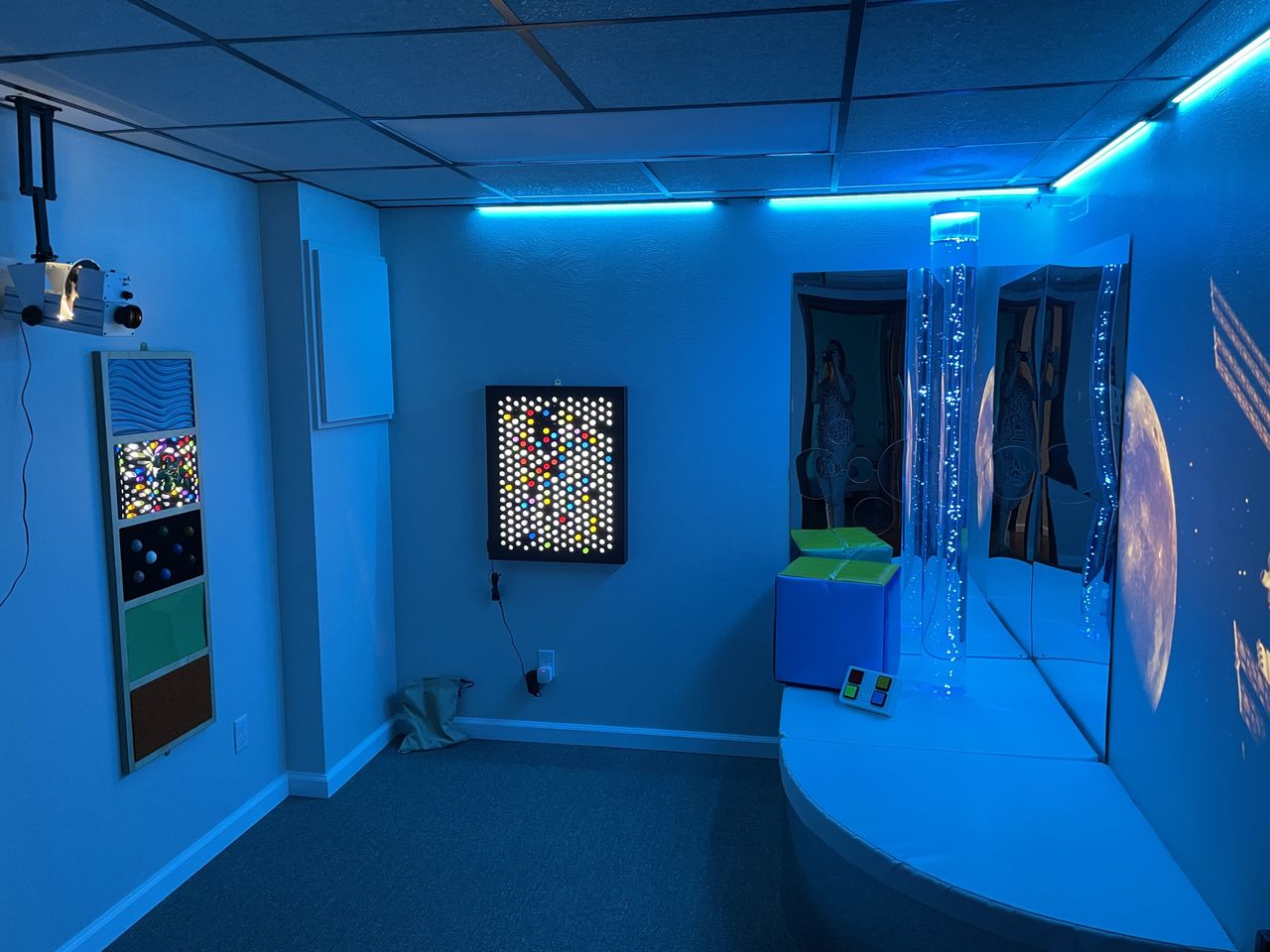
TFH has designed and manufactured sensory equipment for over 40 years, and much of what we know about calming, engaging environments comes from work with residential and care settings specifically. We're the manufacturer, not a reseller, so what we recommend for a care home comes from decades of seeing what genuinely helps residents, not just what looks good in a catalogue.
Who we have installed for:









Why care homes build a sensory room
For residents living with dementia, a sensory room offers something a normal lounge or activity room can't, a controlled, low-stimulation space where lighting, sound, and touch are deliberately calm rather than accidental. For residents who've become withdrawn, anxious, or agitated, time in a sensory room is often one of the few things that visibly settles them without medication.
It works the other way too. Reminiscence-based sensory equipment: textures, sounds, and familiar objects from earlier decades, can prompt engagement and connection in residents who've otherwise stopped responding to conversation.
None of this needs to be dramatic. A sensory room in a care home is as much for a quiet ten minutes with one resident as it is a planned group activity, and most homes use it for both.
Built to fit your space and budget
You don't need a spare room to start. A Sensory Corner fits into an underused lounge area and can be added to later building on what you've already bought. A converted single bedroom can be enough for a small sensory room. For homes really lacking in space our mobile Vecta range starts at £1,500 and needs no dedicated clutter-free space at all, useful if your building genuinely has nowhere to spare.
Designed and installed by TFH
Every sensory room we design comes from the same team that manufactures the equipment inside it, so the design accounts for how residents with limited mobility, fading vision, or fall risk use the space, not just how it photographs. We can work with your maintenance team or contractors where needed but we offer installation across the UK, and equipment meets UK/EU safety standards for use in care settings.
Care homes FAQs
Will this help with CQC inspections?
CQC continues to assess care homes on how personalised and person-centred care is, among other things. A sensory room that's genuinely used, and that staff can point to as part of an individual resident's care, supports that kind of evidence; though it's the use and record-keeping that counts, not the equipment on its own.
Does this only work for residents with dementia?
No. It's the most common reason homes get in touch, but sensory rooms are also used for residents with sensory processing needs, anxiety, or simply as a calm space away from a busy communal area.
How much training does staff need?
Very little to get started, most activities coordinators pick it up within a session or two. We can provide further training if you want your whole care team confident using it, not just one or two staff members.
Is there evidence this actually helps?
Honestly, robust proof is hard to come by in this field, a room genuinely calming a resident doesn't always translate into the kind of formal evidence a report can point to. What we hear consistently from homes is staff noticing a real difference in agitation and engagement, which is why so many come back to expand what they started with.