Shop
Vibration
Hits hard enough
TFH are pro pleasure. We are for immersion in the moment. Of course direction is part of play's power, but we love vibrating things because they melt our edges, because, like a laugh or a purr, they work some sort of magic that floods the system and makes us right here! right now! What is pointless play?
Read more
Hits hard enough
TFH are pro pleasure. We are for immersion in the moment. Of course direction is part of play's power, but we love vibrating things because they melt our edges, because, like a laugh or a purr, they work some sort of magic that floods the system and makes us right here! right now! What is pointless play?
19 products
Sensory Kits
Colours
Spinning things
Noisy Toys
Touch and Feel
Switch Rewards
Communication
Mirrors
Weighted Blankets
Chew Toys
Sensory Lights
Sensory Den
Calming
Distraction Toys
Showing 15 of 19
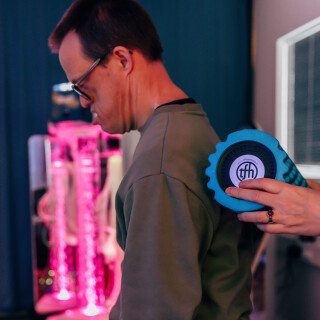
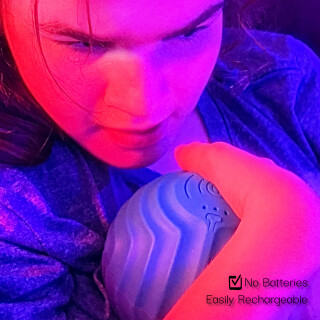
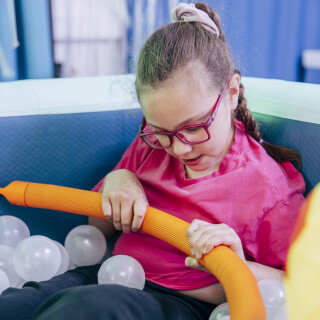
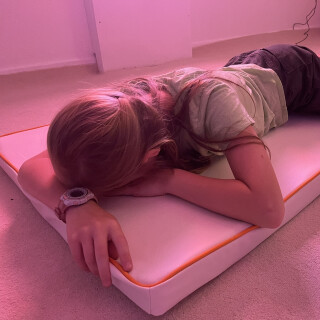
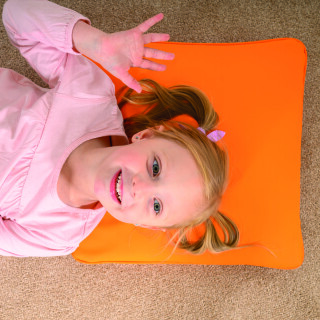
Vibrating Floor Pad
£190.80
£159.00 exc. VAT
Sale
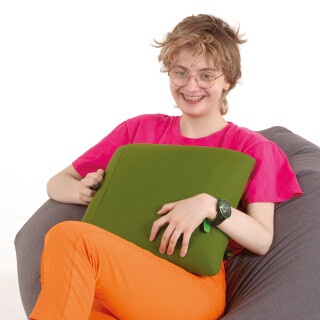
Massage Cushion
£74.40
£82.80
£62.00 exc. VAT
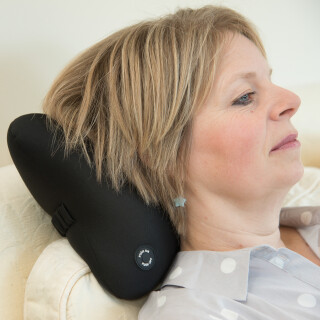
Vibrating Cushtie Pillow
£25.50
£21.25 exc. VAT
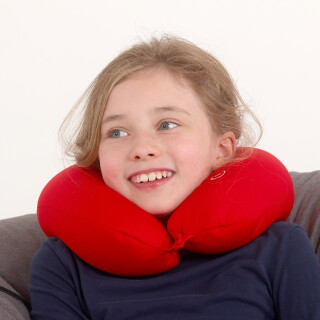
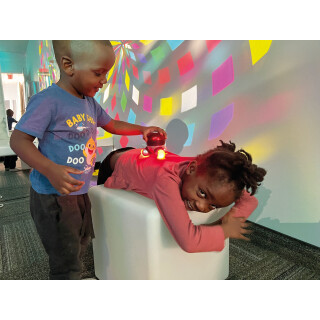
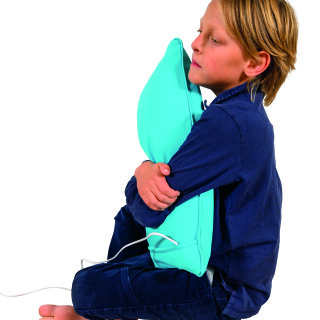
Vibrating Pillow (Switch Operated)
£36.85
£30.71 exc. VAT
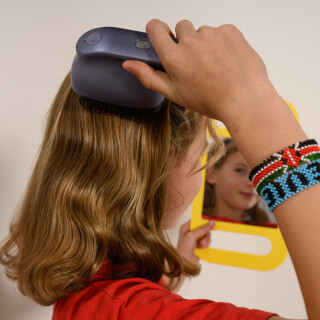
Vibrating Hair Brush
£34.80
£29.00 exc. VAT
Sale
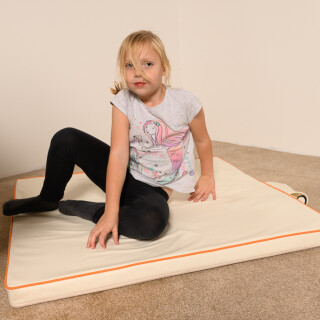
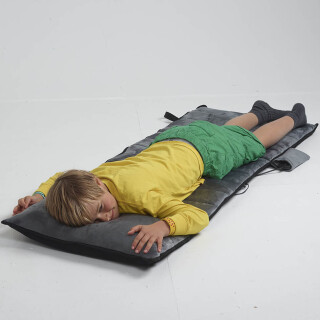
Vibrating Floor Pad Square
£174.00
£145.00 exc. VAT