Shop
Mirrors
There you are
There you are, afloat behind a face. And here, is your flesh that you live behind. Sadly our mirrors bend and distort so you can never quite make out your playmate.
Read more
There you are
There you are, afloat behind a face. And here, is your flesh that you live behind. Sadly our mirrors bend and distort so you can never quite make out your playmate.
15 products
Sensory Kits
Colours
Sensory Spinning Toys
Noisy Toys
Tactile Sensory Toys
Vibration
Switch Adapted Toys
Communication
Weighted Blankets
Sensory Chew Toys
Sensory Lights
Sensory Tents
Calming
Distraction Toys
Showing 15 of 15
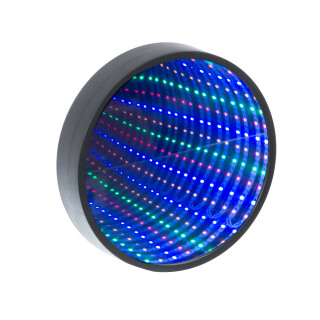
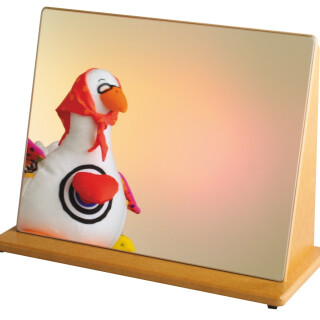
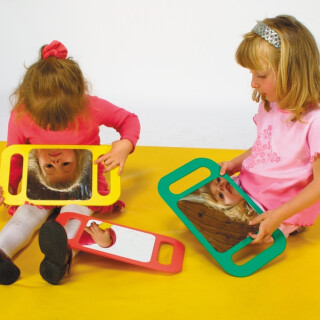
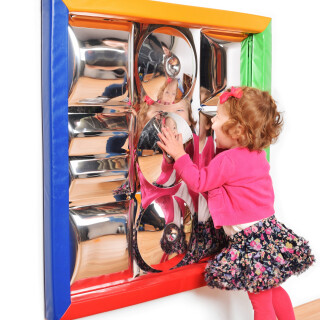
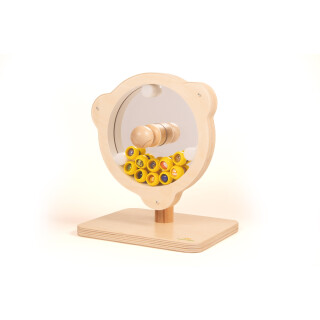
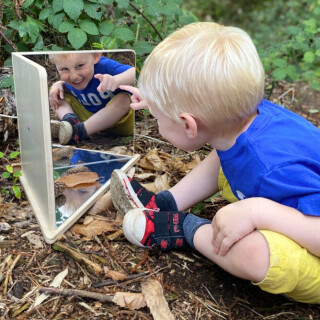
Infinity Corner Mirror Toy - Visual Sensory Toy
£52.74
£43.95 exc. VAT
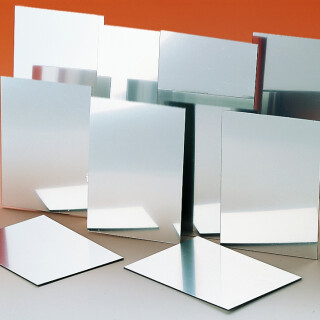
Unbreakable Mirrors x 10
£41.94
£34.95 exc. VAT
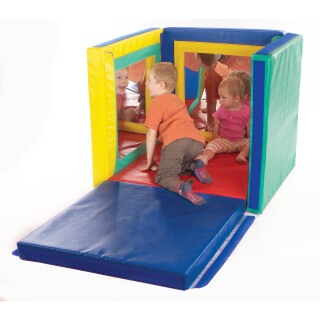
Softplay Mirror Den - 80cm Cube
£682.80
£569.00 exc. VAT
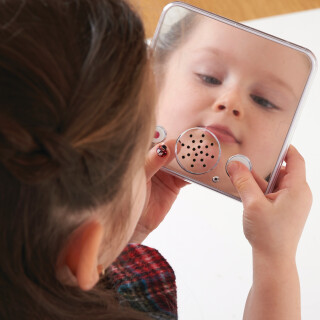
Sound Bank - Mirror - Speech Special Needs Toy
£15.60
£13.00 exc. VAT
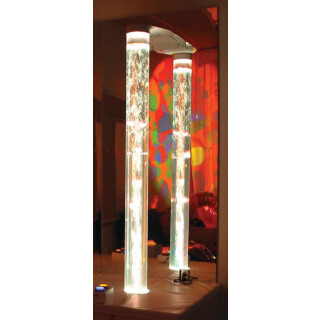
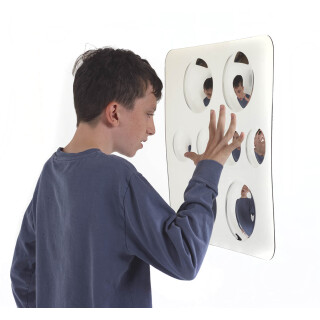
Mirror Panel
£274.80
£229.00 exc. VAT
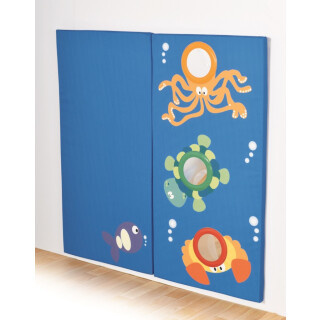
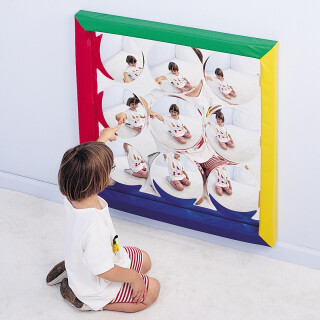
Padded Wall Mirrors
£178.80
£149.00 exc. VAT