What Proprioception is
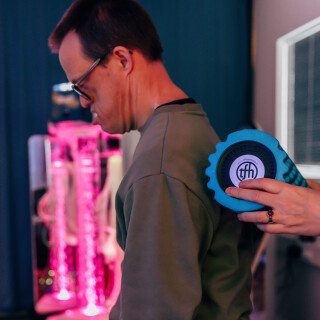
The sense that tells you where your body is. In the 1960s and 70s, occupational therapist A. Jean Ayres identified and mapped a set of sensory systems operating below conscious awareness. She described a continuous stream of information flowing from muscles, joints, and tendons to the brain and called it Proprioception. While Proprioception runs quietly in the background mapping the position of your body in space it is not always reliable. Then the body's sense of its own position and the effort required to move is imprecise, clumsy. Recalibrating the Proprioceptive system can therefore be very helpful and some people find that massage, vibration, pressure, resistance, heavy work, compression does just that, also note when something feels this good it must be important.
Deep Pressure
Temple Grandin, brought attention to this possibility, a true hero. Deep pressure stimulates proprioceptive and tactile receptors beneath the skin, triggering a parasympathetic response (a rest and recover state): Heart rate slows; Muscle tension decreases. It is as if the body, receiving clear and consistent information about its own position and boundaries, can stop searching for it. When such pressure is controllable, consistent and available on demand is therefore empowering despite being unconscious.
Compression
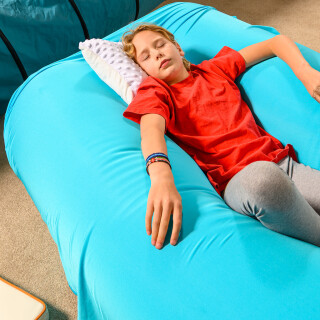
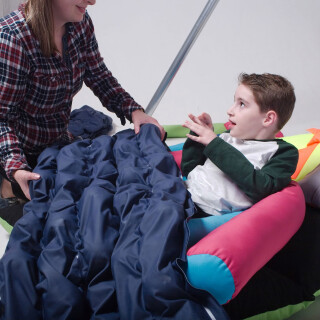
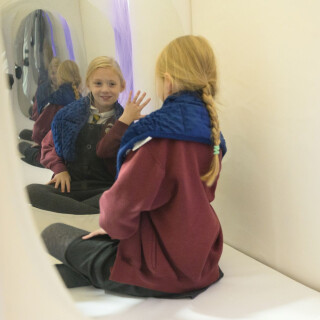
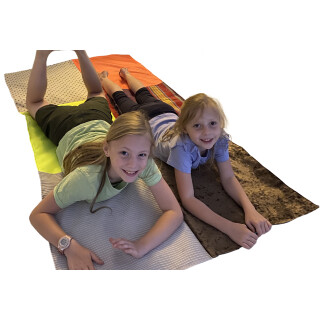
Deep Pressure applied circumferentially. Sleep tight.
Weighted Input
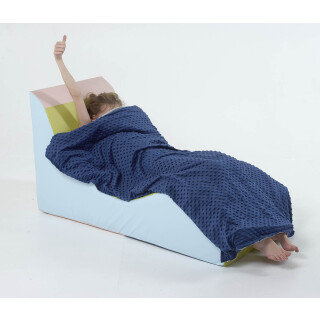
Deep pressure delivered through mass received passively, can be particularly calming.
Firm Touch
The firmness matters as much as the pressure: uncertain touch can have the opposite effect.
Tactile Pressure
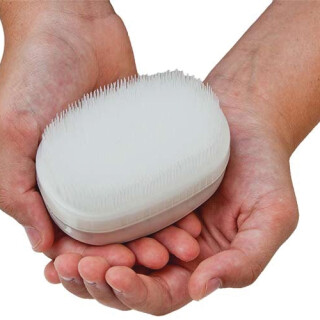
The broader clinical term covering pressure delivered through skin contact, massage is the ultimate action you can take sitting at the intersection of the tactile and proprioceptive systems.
Body Awareness
How proprioception expresses itself. Body awareness underpins almost every physical action, but particularly when opening a tricky sachet.
Spatial Orientation
The ability to understand and navigate your position in relation to the space around draws on proprioceptive, vestibular, and visual systems working together. Activities that involve intentional movement through space build spatial maps in the body and brain simultaneously.
Grounding
Physical sensory information can interrupt anxiety by establishing a clear connection between the body and the nervous system.
Praxis
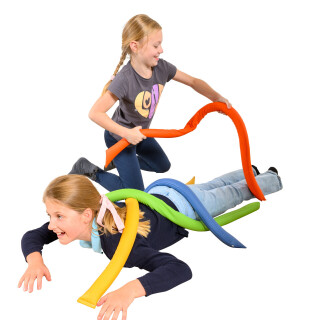
Also called motor planning is the ability to conceive, organise, and execute a sequence of unfamiliar movements. Praxis relies on accurate proprioceptive feedback, without it motor planning is effortful, inconsistent, and easily disrupted what other people seem to do automatically, might have to be worked out every time. Physical play provides praxis practice without frustration.
Heavy Work
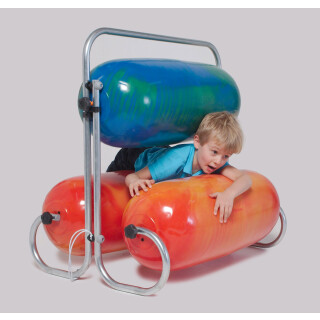
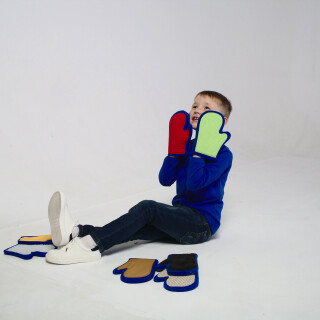
Moving against resistance generates intense proprioceptive feedback. Occupational therapists frequently recommend it as a preparatory activity.
Proprioceptive Feedback
The information muscles, joints, and tendons send to the brain during and after physical activity, the body's own reporting system being given something clear to report.
Joint Compression
Joints are the focal points of proprioceptive feedback, stimulus here is rewarding. Proprioception is one of eight senses recognised in sensory integration theory, alongside the five classical senses, the vestibular sense, and interoception. The framework was developed by A. Jean Ayres and remains the foundation of sensory integration therapy worldwide. Ayres Sensory Integration® is a registered approach. Trained practitioners can be found through national occupational therapy associations.