Your body had a partner once. Now your mind is in charge. Your body learnt very quickly to support your head, and does this so instinctively that the overwhelming connection between the world and your senses is broken.
That extraordinary triumph: stillness (within the mad maelstrom of physics) allowed your mind to develop, but the dance goes on.
Rock, bounce and spin are three ways of appreciating those awesome realities again.
Rocking is the body finding level. Gorgeous splendid level, tipping and answering the tip, a hundred small corrections a minute. The fear of falling, our oldest fear, swaddled in a rhythmic sway, "it's ok, we can play with this". This is how we put babies to sleep & this is how we walk and sleeping in the confines of a walking body is what we first know.
Bouncing is the body exploring mass, the float and the crush, you know these things in your bones. You are knit together in a mesh, a mind blowing sensory fabric of strength that sings. Bouncing turns up that proprioceptive song to full volume.
Spinning wakes the partner. The vestibular, the deepest integrated sense, which we can only feel by overwhelming it. We live so utterly swaddled in our vestibular's cotton wool that spinning is the only way to reveal it.
Dancing is the grown up way of waking these joyous foundational experiences. Strong foundations are built with Balance boards, Bouncers and Spinners.
Keep reading

The experience of practitioners who have worked with autistic children in Sensory Rooms. Part 6
TFH are advocates of the Sensory Room and the first five parts to this extended blog testify to their usefulness. But very little in this world, save love and perhaps the bicycle, is an unall
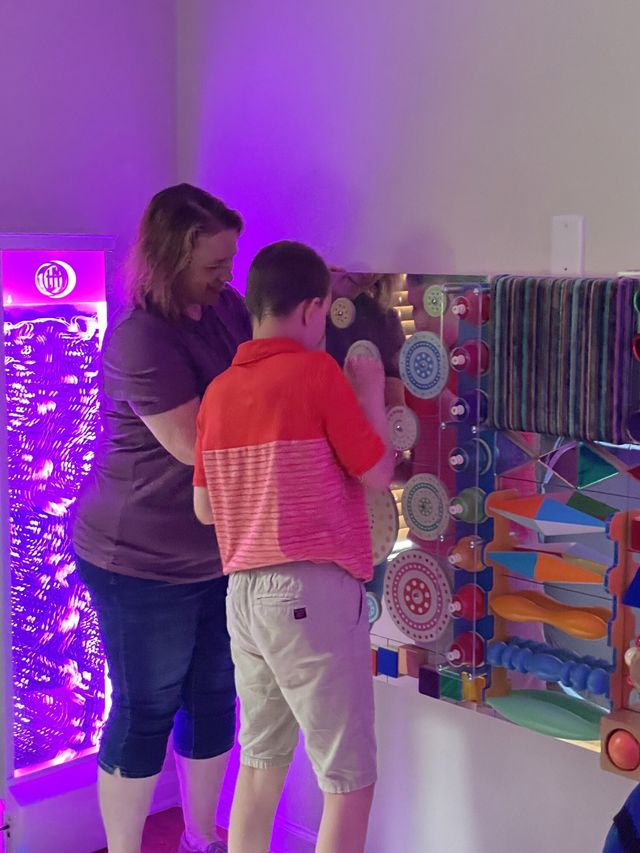
The experience of practitioners who have worked with autistic children in Sensory Rooms. Part 5
practitioners described the SR Room as an effective teaching and learning environment and some considered this its main purpose.
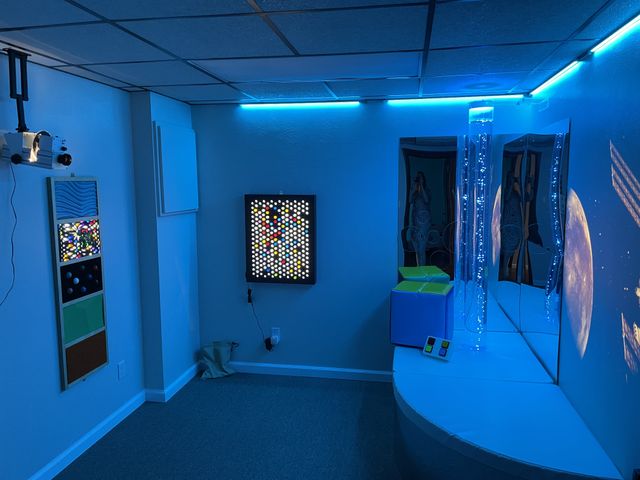
The experience of practitioners who have worked with autistic children in Sensory Rooms. Part 4
This is the fourth instalment of our discussion of the work of by Dr. Katy Unwin, Dr. Georgina Powell and Dr. Catherine...