Calming and De-escalation Rooms
A soft, low-stimulus space to step away to. From a quiet calm room to a fully padded de-escalation room, here's what goes into one and how we make sure it's up to the job.
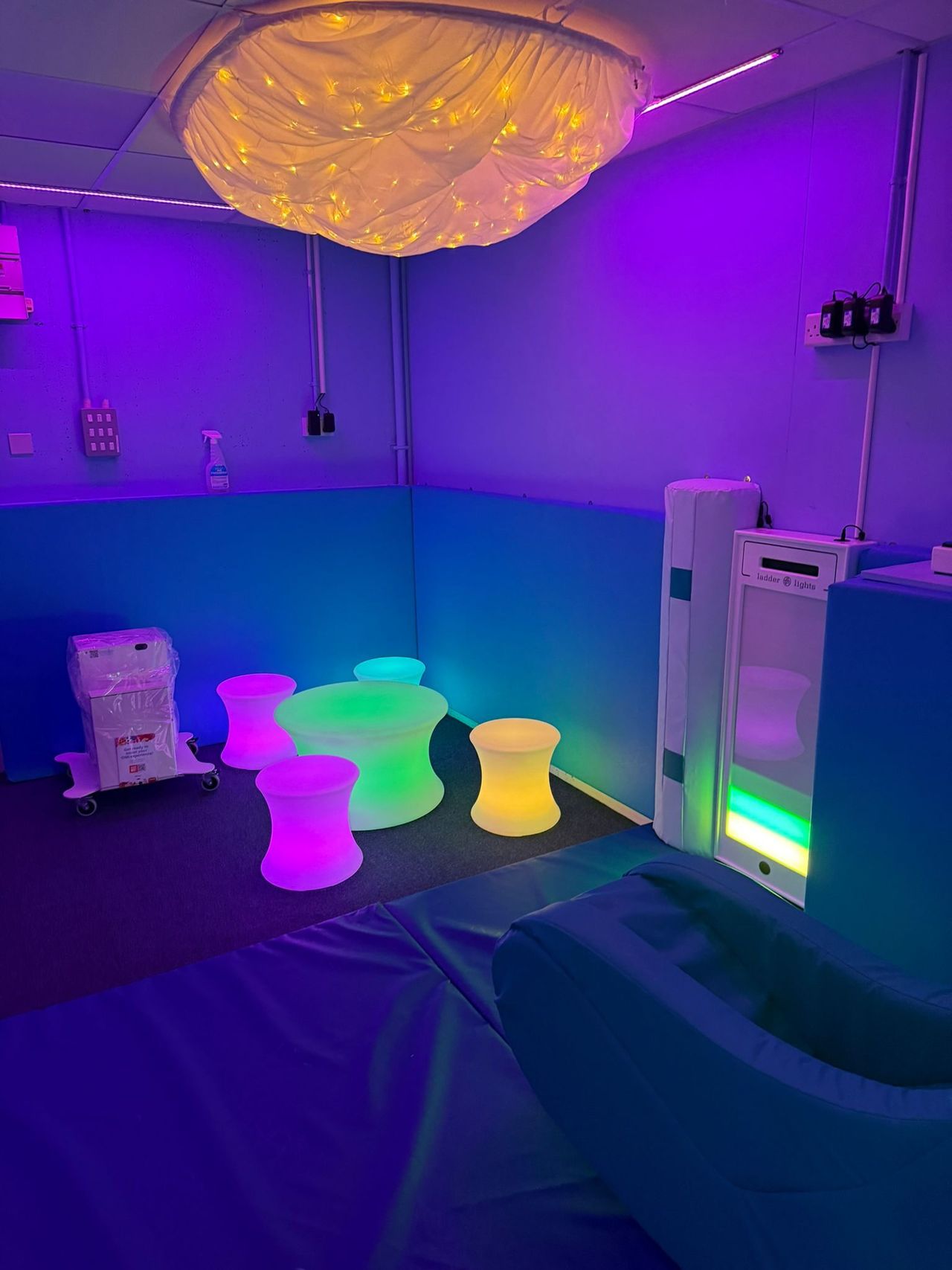
Calm room or de-escalation room?
A calm room is a quiet, soft space to step away to: low light, somewhere comfortable to sit or lie, and nothing demanding attention. A de-escalation room does the same job for someone who is already very distressed, so everything within reach has to stay safe when it's handled roughly.
Most rooms sit somewhere between the two. The difference is in the detail: how high the padding goes, what's within reach, and whether light and projection come from somewhere nobody can get to. See all the types of sensory room.
What goes into a calming or de-escalation room?
Padding does most of the work. Then add soft light from above and somewhere to curl up.
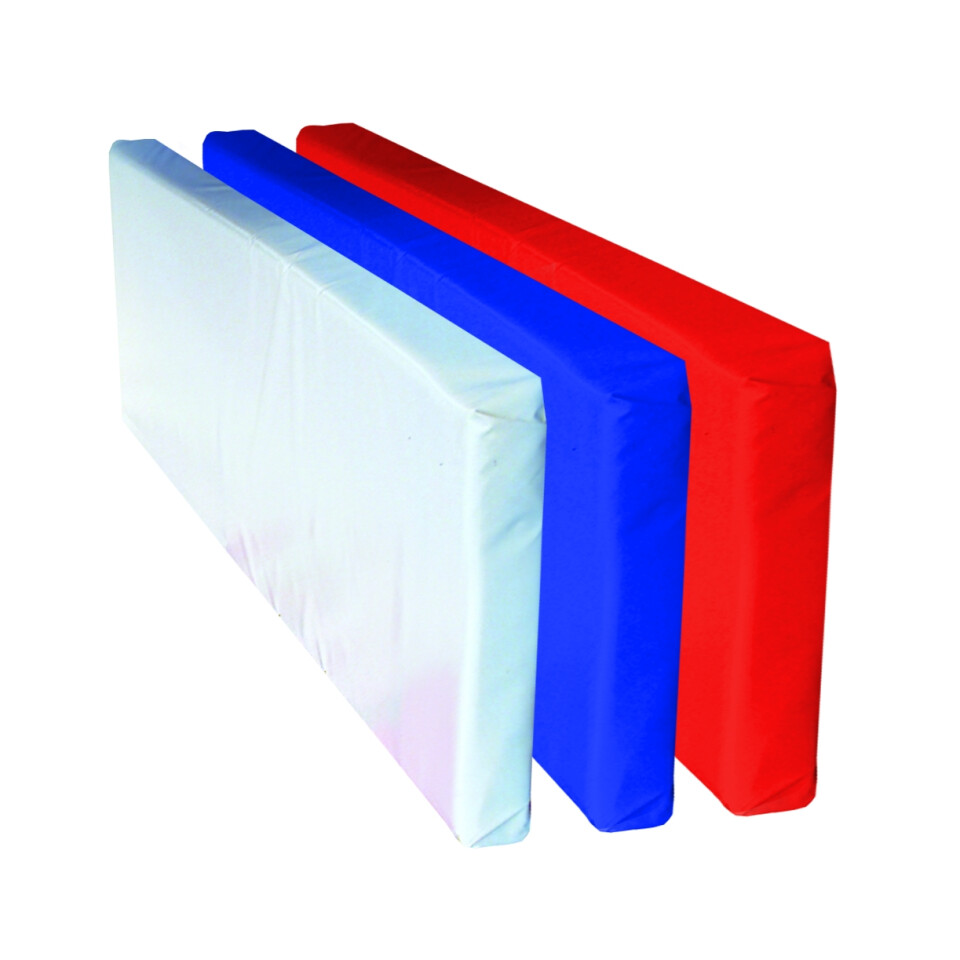
Wall padding
Made to measure for your room. Standard padding is 3 inches thick and 120cm high; for de-escalation we take it higher.
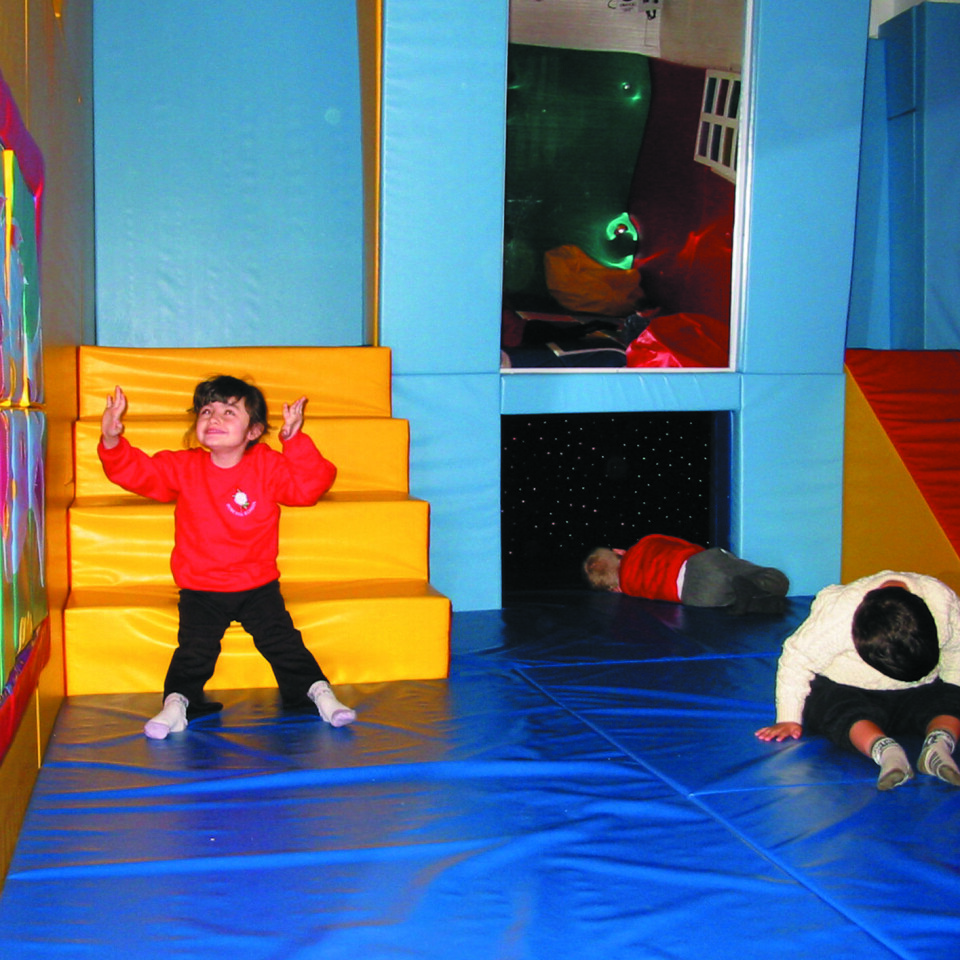
Floor padding
A soft floor wall to wall, so there's nowhere hard to fall onto.
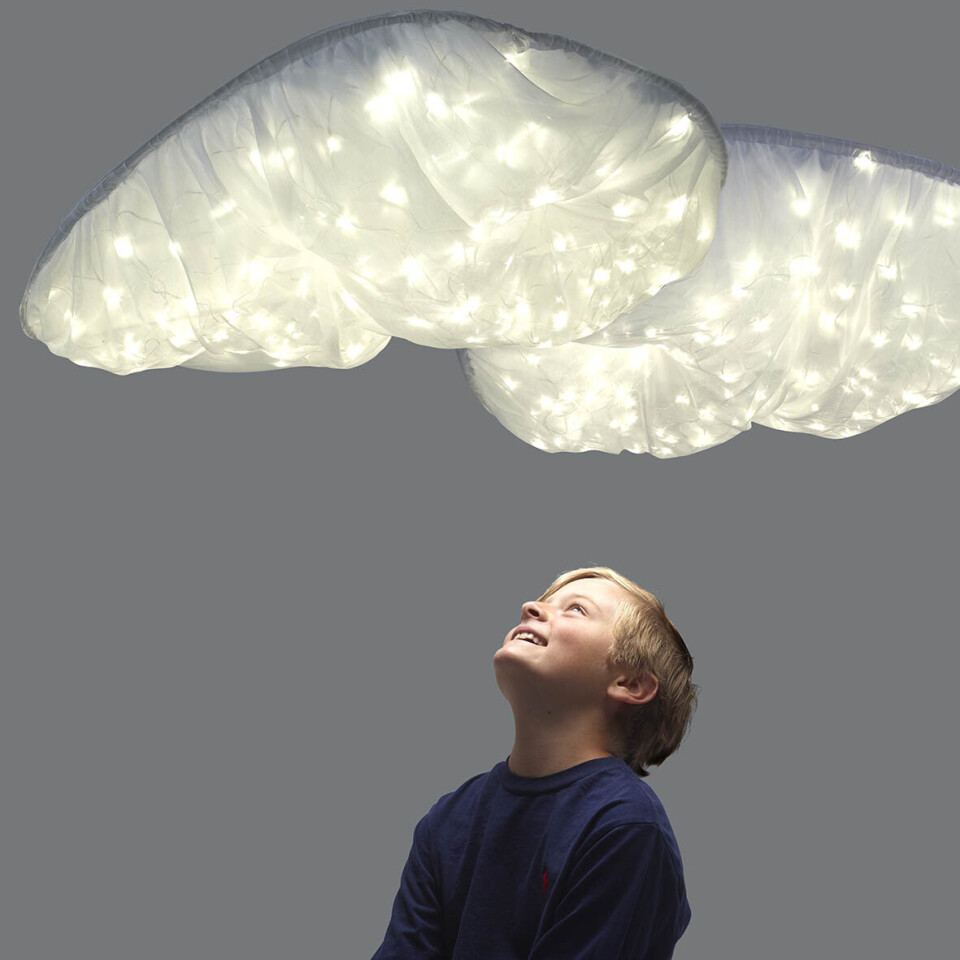
Ceiling Cloud
Soft, changing light from overhead, well out of reach.
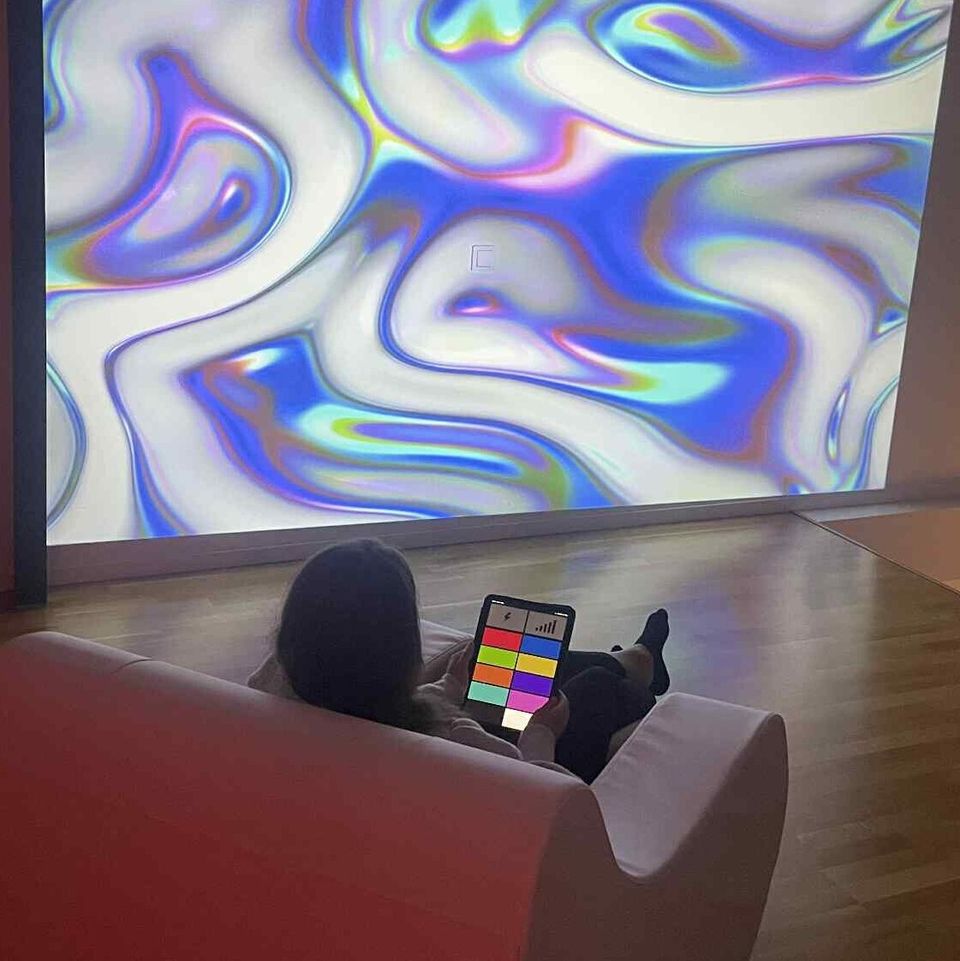
Projection out of reach
A projector mounted up high fills the walls with calm, slow scenes, with nothing in reach to grab.
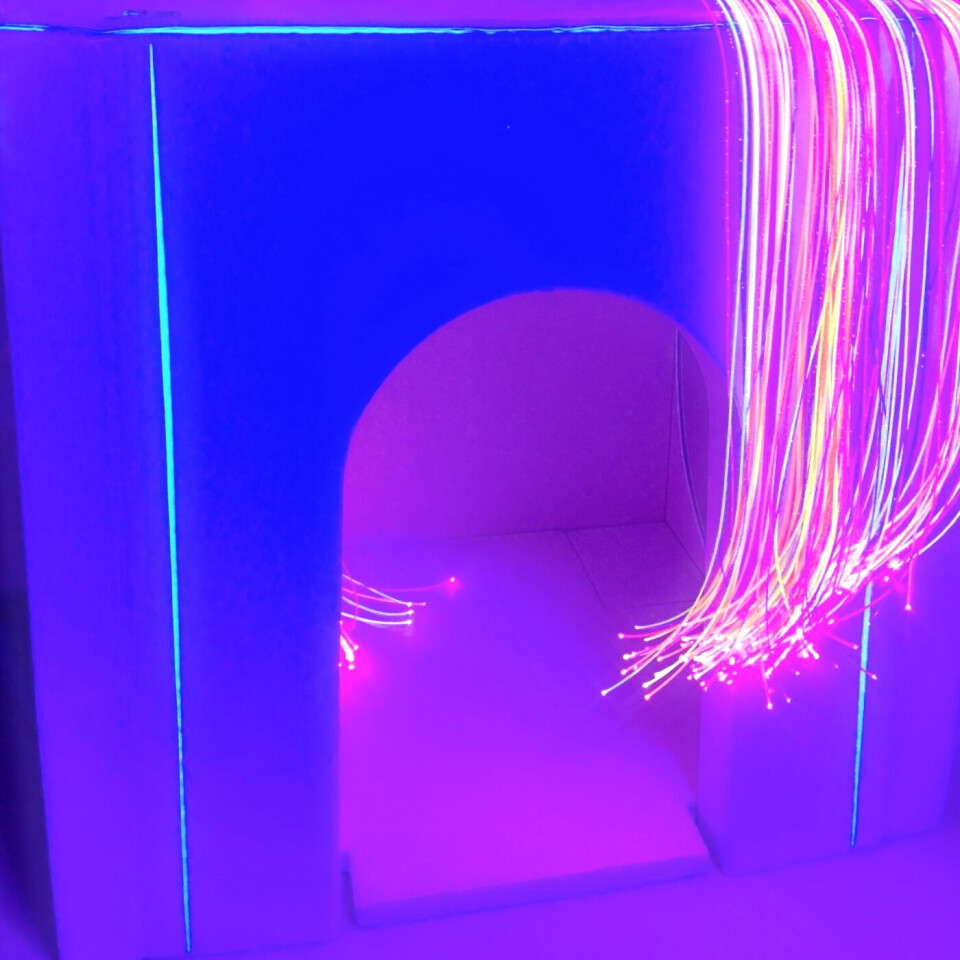
Hidey Hut
A soft den to crawl into when the room itself still feels too big.
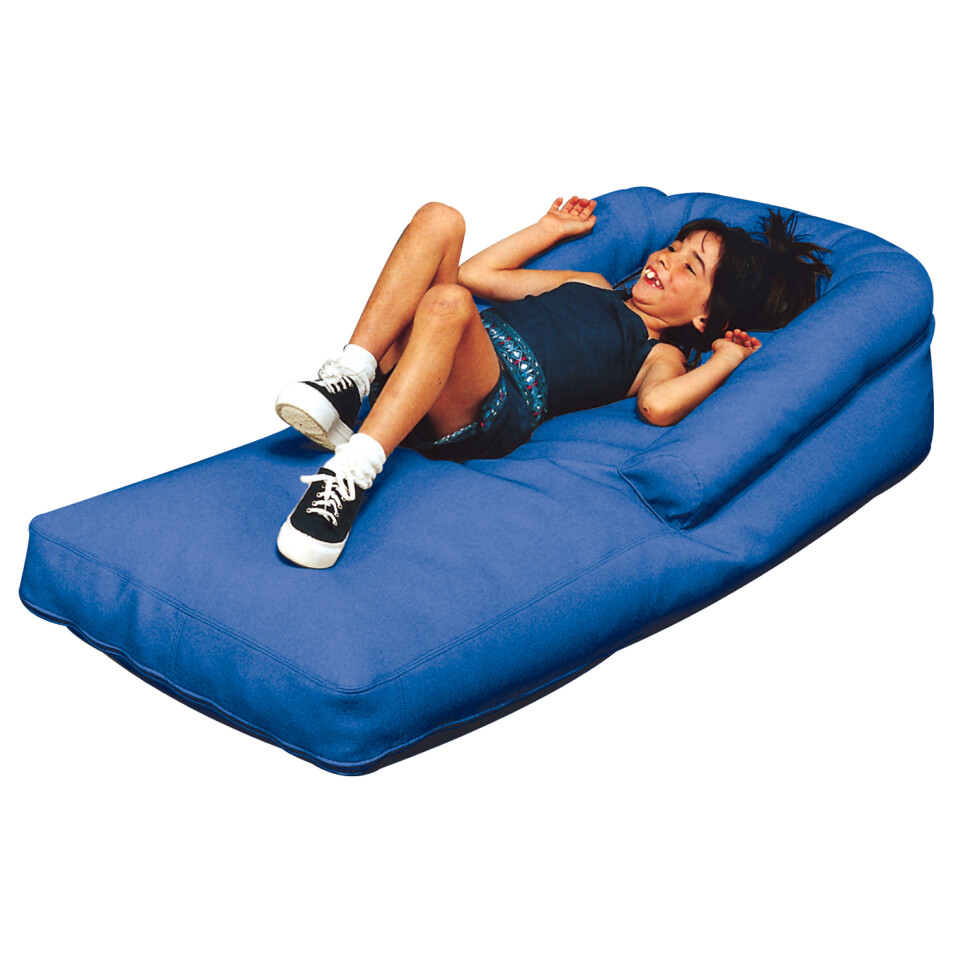
Long Easy
A long, soft cushion to lie along or sink into.
Making sure it's up to the job
Higher padding
Our standard wall padding is 120cm high. In a de-escalation room we take it higher, so there's no hard wall to reach.
Out of reach, or up to rough handling
Anything within reach has to cope with rough handling. If equipment can't, it goes out of reach: projection and lighting from above work well.
Measured and fitted over two visits
Padding needs really accurate measurements, so it takes at least two visits: we install the equipment first, measure up, then come back to fit the padding once it's made.
Get your free designFunding and grantsIn practice
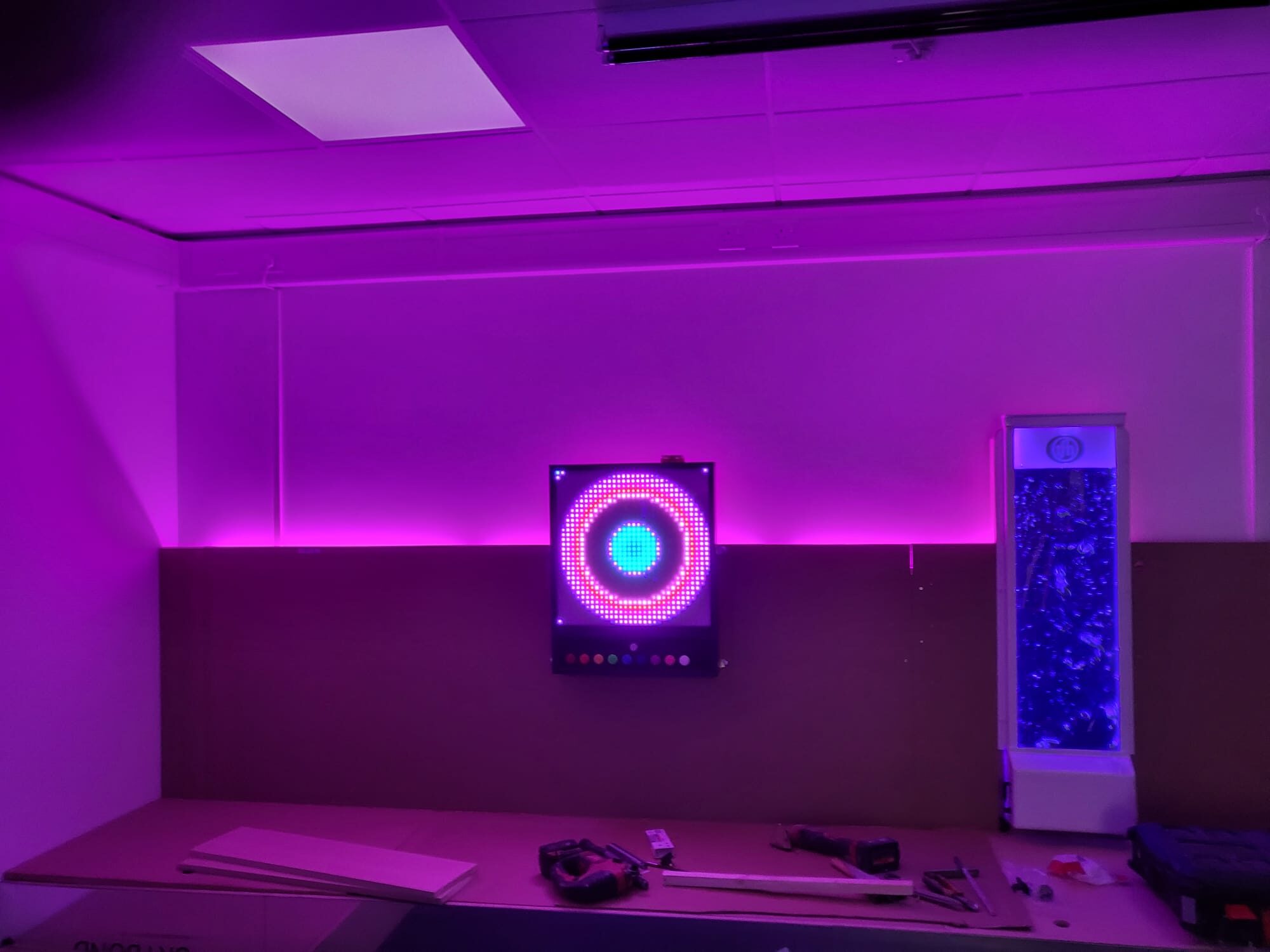
A calm space at Heart of Worcestershire College
Heart of Worcestershire College wanted a calm place for students during the school day. It isn't a de-escalation room, but it shows how a calm room comes together, with Chromatheme projection working alongside the rest of the room's equipment.
Calming and de-escalation room FAQs
What's the difference between a calm room and a de-escalation room?
Both are quiet, soft spaces. A de-escalation room is built so it stays safe when someone is very distressed, with higher padding and nothing fragile within reach.
How high should the padding go?
Our standard wall padding is 120cm high and can go higher. We'll recommend a height when we design the room.
Can we have lights and projection?
Yes. In a de-escalation room, keep them out of reach; ceiling lights and high-mounted projection work well.
Why does padding take two visits?
It's made to measure, so we fit the equipment first, take exact measurements, then come back to fit the padding once it's made.
Can a small room work?
Yes. Padding is made to measure, so it's designed around the space you have.
Can it be part of a bigger sensory room?
Yes. A padded corner or den can give a multi-sensory room a calm area of its own.