Bidston Village CE Primary School
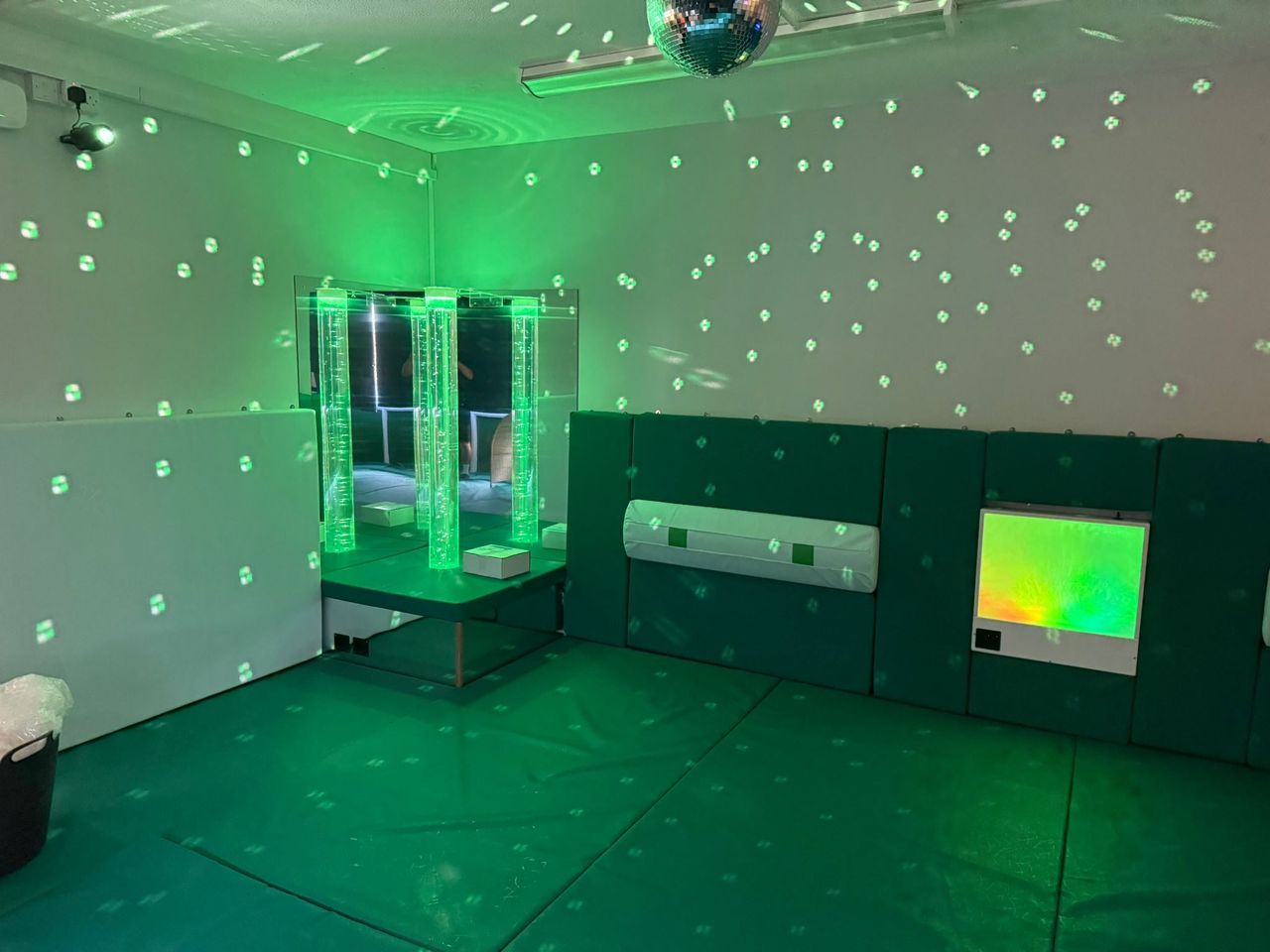
We designed and installed sensory rooms across Bidston Village CE Primary School in Merseyside With four rooms in total, tailored to early years, KS1 and KS2 pupils. Featuring a bubble column set into a mirrored podium, a sound and light panel, and a squeeze machine for deep-pressure calming.
At a Glance
- Setting Primary school
- Completed August 2025
- Key Equipment Bubble column in a mirrored podium, sound and light panel, Shuddabar, squeeze machine and padding
- Needs Supported Autism, PMLD (profound and multiple learning disabilities), SLD (severe learning disabilities), sensory processing disorder, anxiety and emotional regulation, ADHD
What the space needed
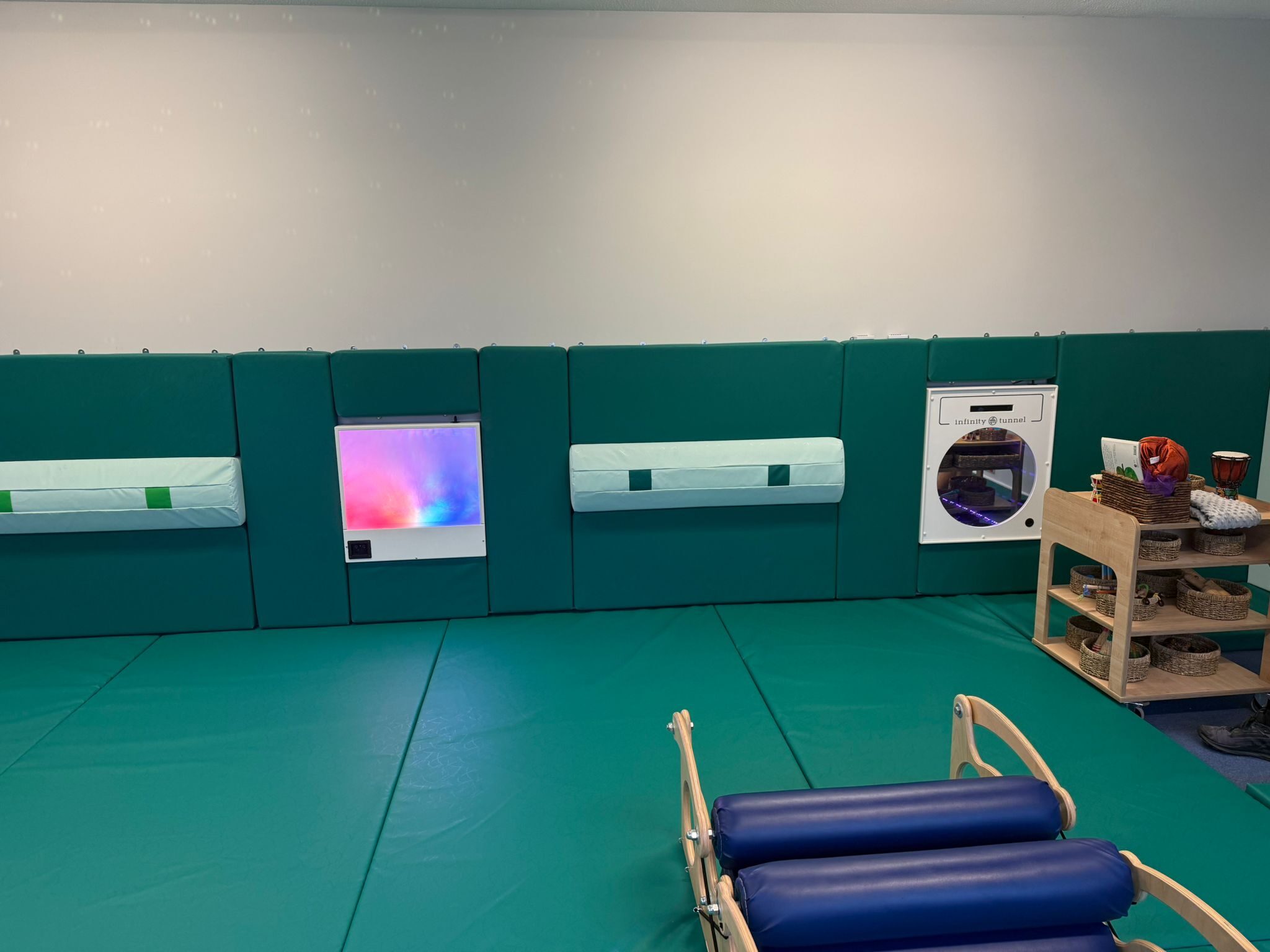
We installed four sensory rooms across the school. Two for early years and one each for KS1 and KS2, each tailored to the age group using it, rather than fitting every pupil into a single shared space.
Features and equipment
The rooms bring together eight pieces of sensory equipment, each doing a different job:
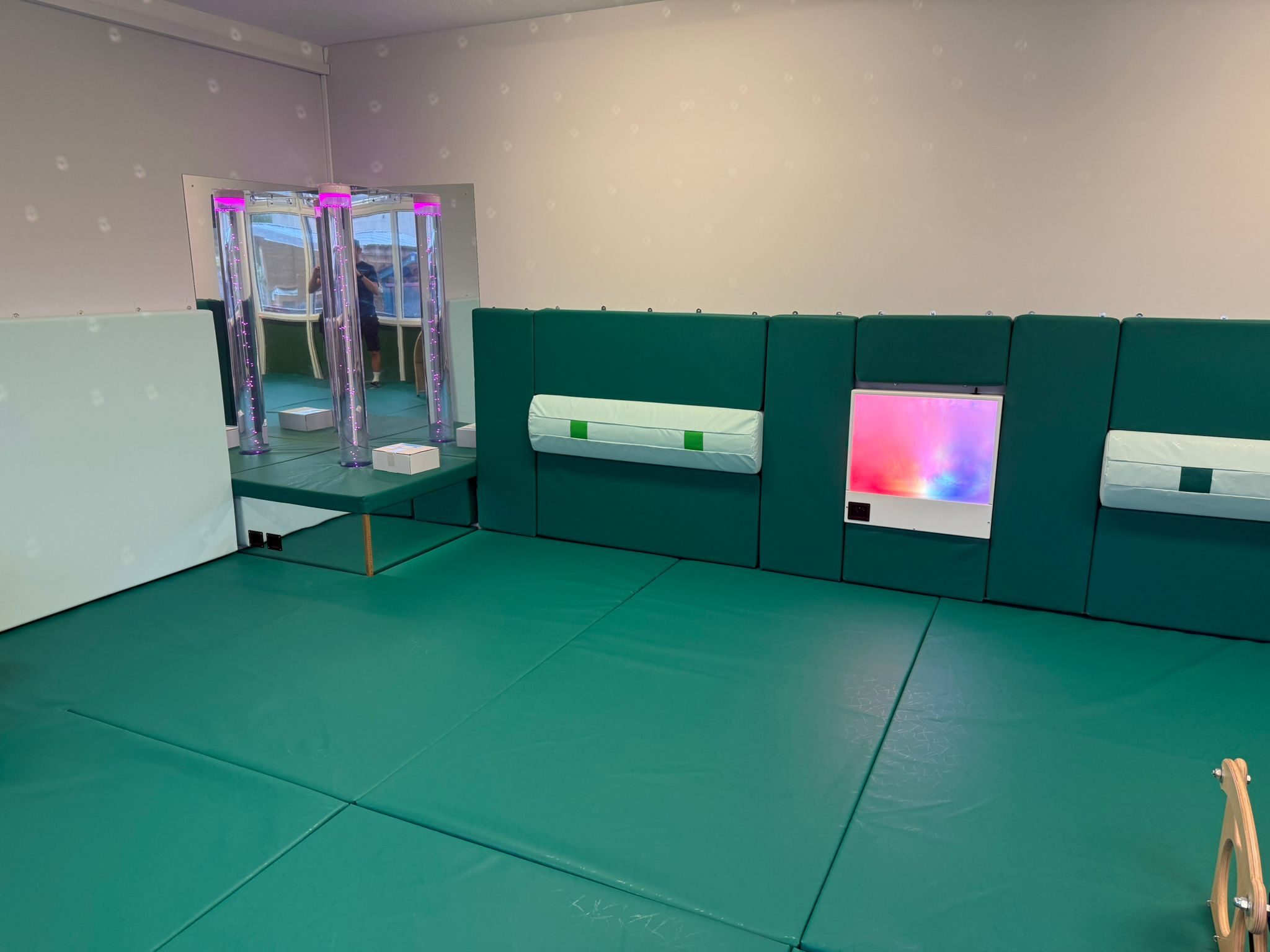
- Bubble column in a mirrored podium the podium lets users get up close to the bubble column, while the surrounding mirrors amplify its effect.
- Sound and light panel - a sound-sensitive panel whose lights react to noise, giving anyone who can make a sound direct control over the room.
- Fibre optic tails - a tactile sensory light that can be draped over the body for a fully immersive feel.
- Squeeze machine - a distinctive item users can post themselves through for a gentle, calming deep-pressure squeeze on the way through.
- Shuddabar - a padded item to lean against for a gentle, calming vibration.
- Colour wash - washes the whole room in interactive colour, controlled by our wireless controllers.
- Ceiling cloud sensory light - a calming light designed to look like a real cloud.
- Padding - soft wall padding around the interactive panels, and a comfortable spot to lie down.
The work we did
After an initial visit, we put together a design based on the space and the equipment the team wanted to see, refining it over a few iterations before settling on the final design.
The install happened over two visits: the sensory equipment went in first, then we took accurate measurements so the padding could be made to fit properly before it was installed on a later visit.
Who the room supports
The rooms are used daily by pupils with a range of needs, including autism, PMLD, SLD, sensory processing disorder, anxiety and emotional regulation difficulties, and ADHD. They're used for structured sessions, free access, calm-down and de-escalation, and therapy-led sessions.