The experience of practitioners who have worked with autistic children in Sensory Rooms. Part 1.
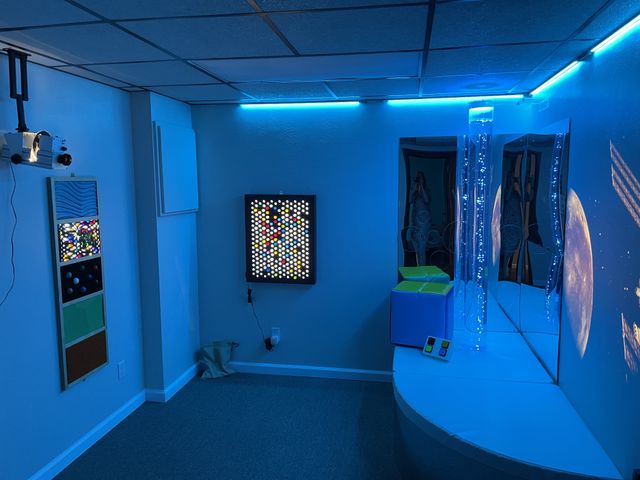
Many special needs schools have installed Sensory Rooms (SRs) over the years and, although there is a general acceptance that they are good for autistic children, there has not been much widely published research so we thought mainstream schools in particular would be interested in the work conducted by Dr.Katy Unwin, Dr.Georgina Powell and Dr. Catherine Jones of the Wales Autism Research Centre, School of Psychology, Cardiff University.
The researchers conducted interviews with ten practitioners. They identified six themes reflecting beliefs about Sensory Room use with autistic children.
These were:
- SRs benefit behaviour, attention and mood.
- SRs have distinct properties that facilitate benefits
- The use of the SR should be centred on the child’s needs
- They are most effective when the practitioner plays an active role
- They can be used for teaching and learning.
- However, they can present challenges.
TFH will summarise the outcome of this work in six blogs to be published over the forthcoming weeks check out our other blogs.
Sensory Rooms benefit behaviour, attention and mood.
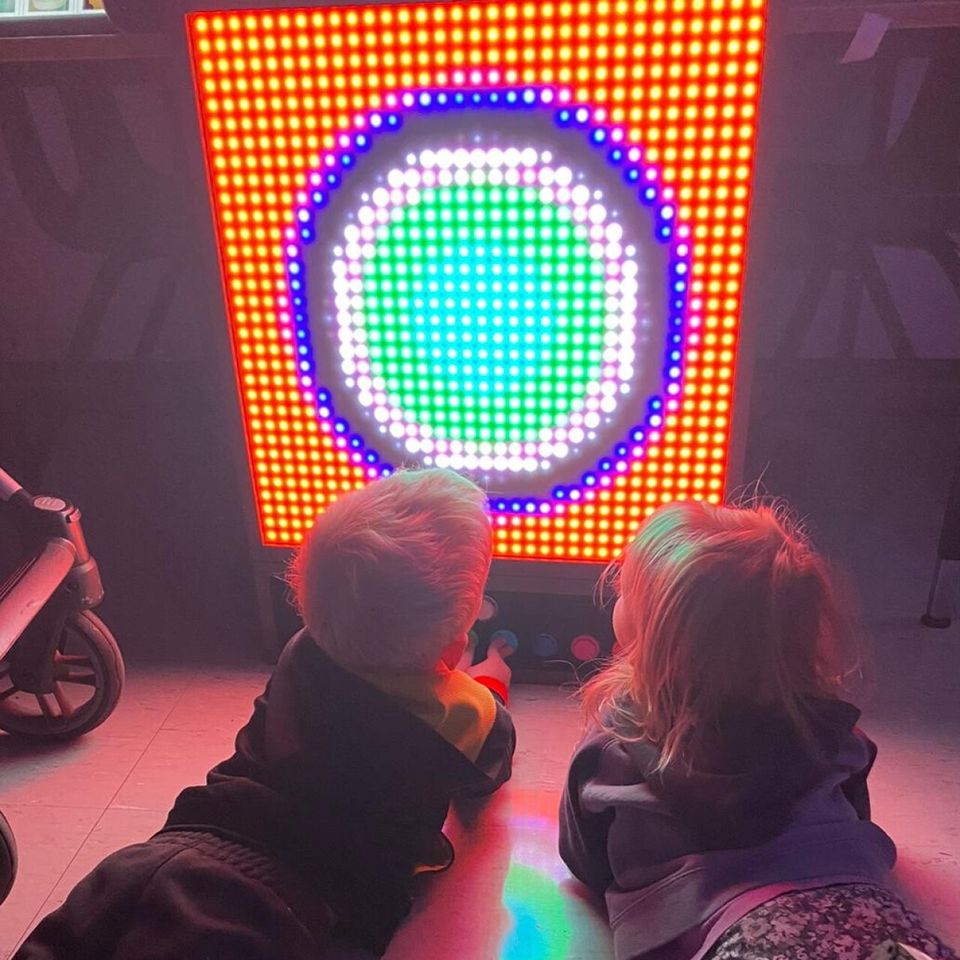
Almost all practitioners believed that the Sensory Room could lead to a reduction in Repetitive Motor Behaviour (RMB). Many of the practitioners suggested that this was because sensory needs were met.
Many practitioners believed that the Sensory Room (SR) could improve focus and attention in autistic pupils. Some suggested that this was because SR use removed sensory distractions. This linked heavily with the ‘SRs can be used for teaching and learning’ theme, (part 5.) as improved focus was described as enabling learning both inside and outside the SR.
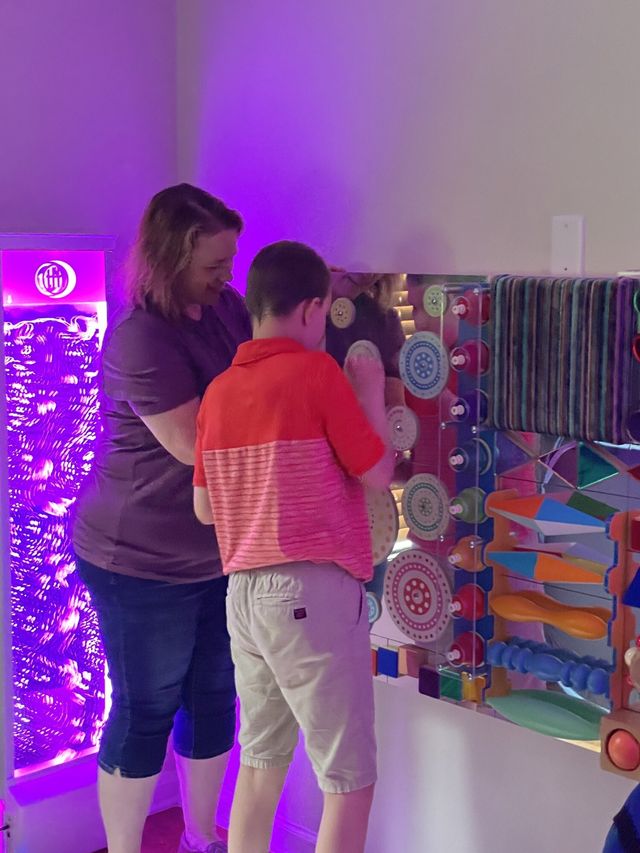
Practitioners also stated the SR led to increased social interaction and communication. The autistic children were repeatedly described as “more likely to initiate interaction in this room” and engage more in social interactions.
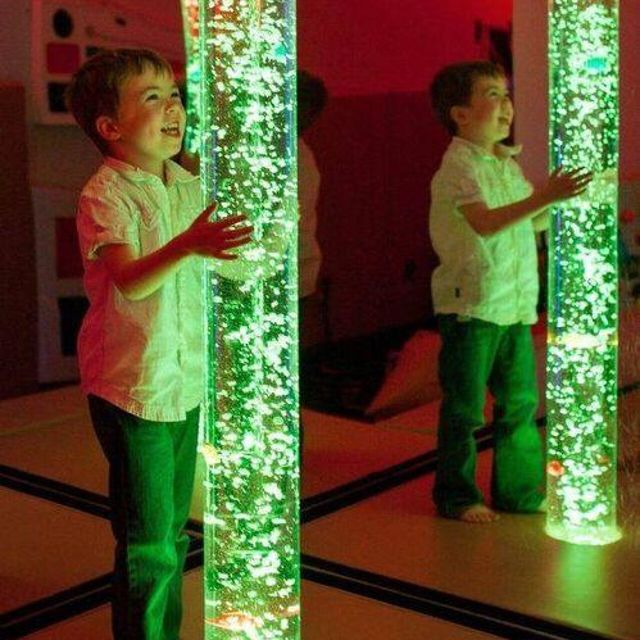
SR’s had a positive effect on the mood of the participants and helped reduce anxiety. Practitioners’ views varied from the simple “this makes them happy” to the observation that the very marked change from the busy classroom to the calmness of the SR removed some of the causes of anxiety.
There was a mixed response to whether the benefits of the SR carried over when the pupil left it.
TFH’s less academic research. largely consisting of comments by teachers, strongly supports the view that the Sensory Room has a strong likelihood of changing behaviour and mood for the better.
Citations:
Katy L. Unwin, Georgina Powell, Catherine R.G. Jones, A sequential mixed-methods approach to exploring the experiences of practitioners who have worked in multi-sensory environments with autistic children, Research in Developmental Disabilities, Volume 118, 2021, 104061, ISSN 0891-4222, https://doi.org/10.1016/j.ridd.2021.104061.
(https://www.sciencedirect.com/science/article/pii/S0891422221002109)
TFH, and indeed everyone working in the Sensory Room field, would welcome any comments arising from this article. If you have conducted or know of any research or observations on behaviour please let us know: John.t@tfhuk.com and we will post it