Immersive Sensory Rooms
Walls, floor and ceiling filled with moving light and scenes, so the whole room becomes somewhere else. Here's how interactive projection works, what it costs and what to add around it.
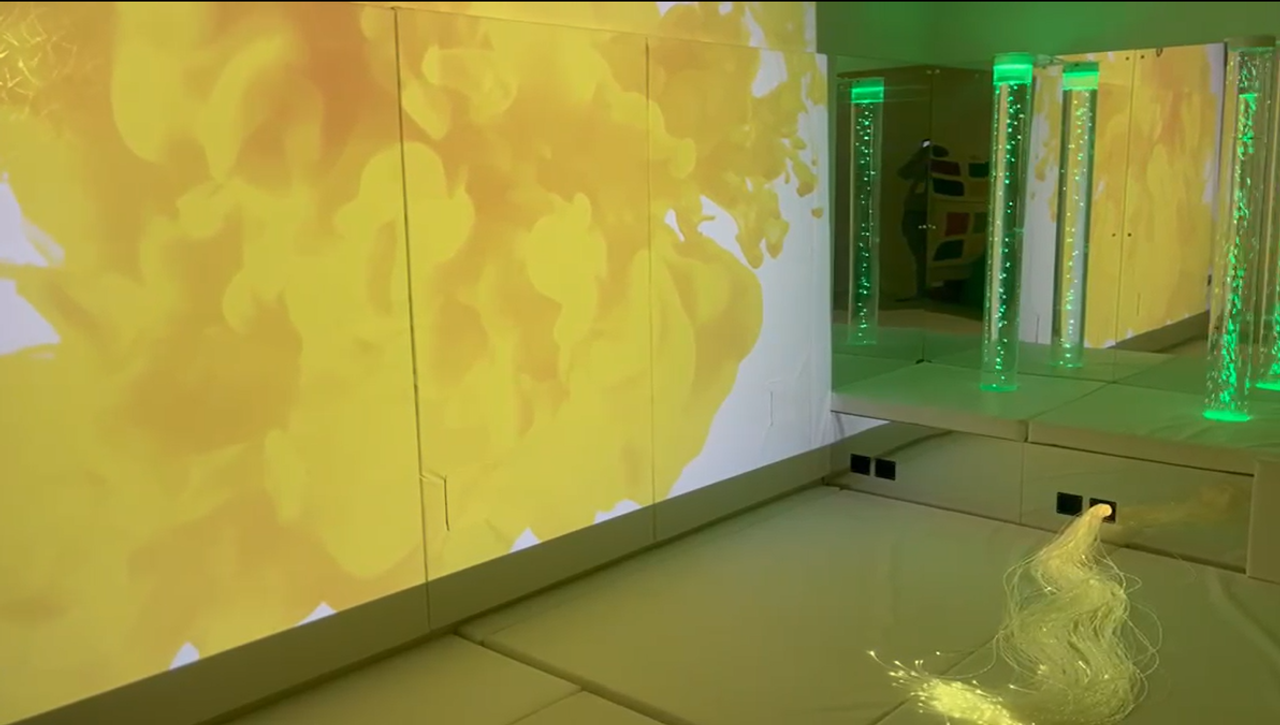
What is an immersive sensory room?
An immersive sensory room, sometimes called an interactive sensory room or immersive room, uses projection to fill the space with moving light and scenes: an underwater world on the walls, leaves blowing across the floor, a night sky overhead.
Some immersive rooms are watched and controlled; others react to the people in them, so walking, waving or rolling across the floor changes what's projected. Most combine projection with other sensory equipment. See all the types of sensory room.
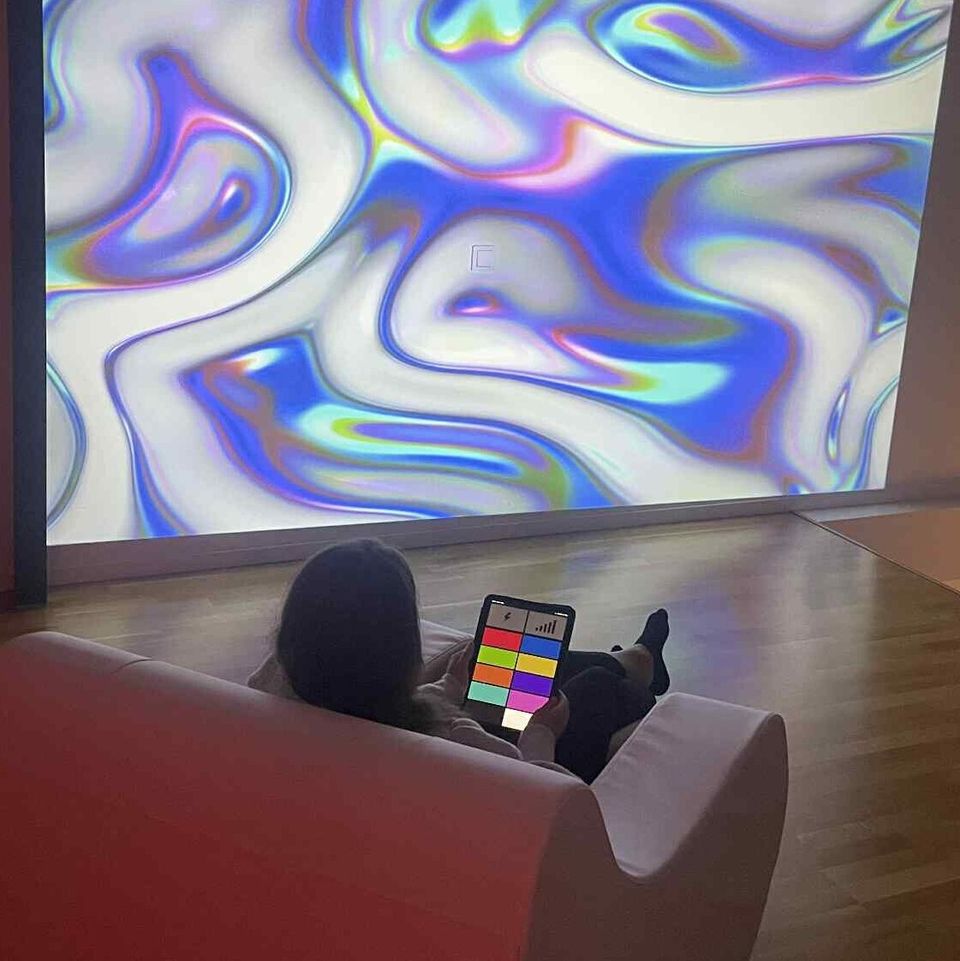
Two ways to make a room immersive
The biggest choice is how the projection responds: through a controller in someone's hands, or to movement in the room itself. All prices exclude VAT.
Chromatheme
From £299
The affordable way in. An extensive library of looping scenes across a range of themes, with interactivity through a controller, so pressing a button or switch changes what fills the room. The Chromatheme Corner (£1,187) builds a complete immersive corner around it.

omiVista
From around £6,000
Projection that reacts to movement. Mounted on the ceiling, it projects onto the floor below, and the scenes respond as people move through them, with no controller needed. It needs a clear area of floor underneath.
What to add around the projection
Projection sets the scene. These make the room feel like somewhere to be inside, not just something to watch.
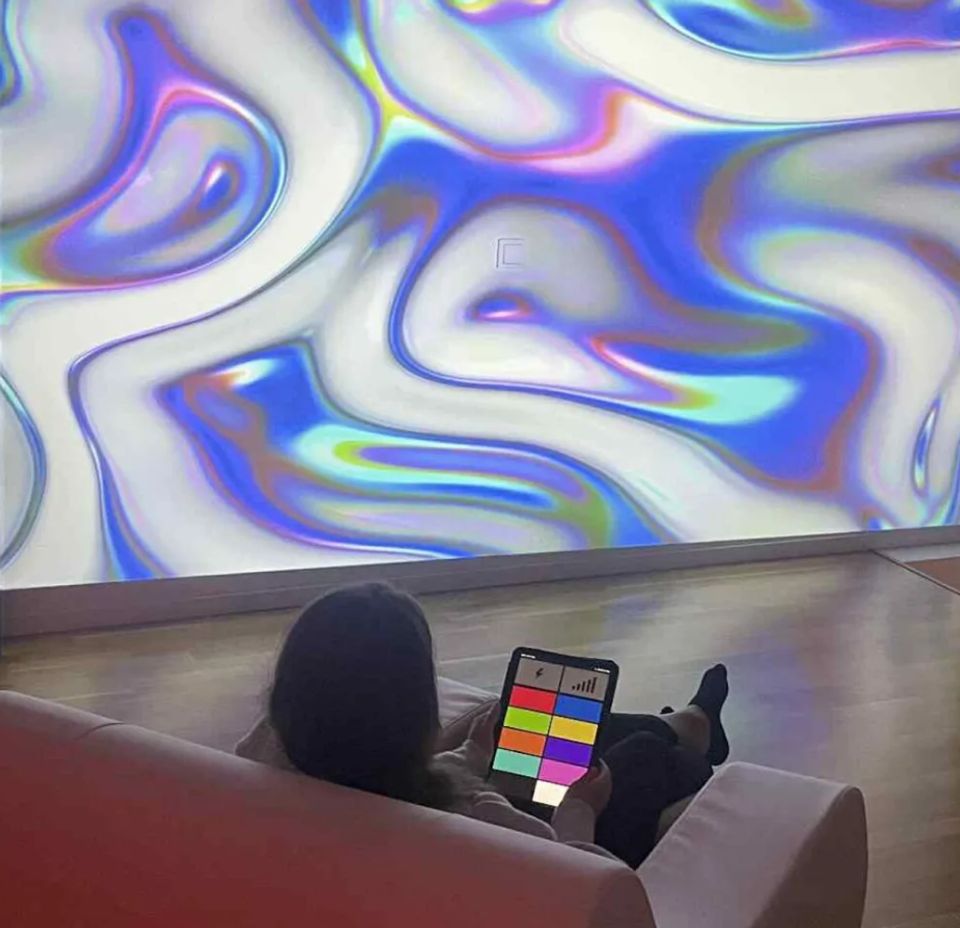
Chromatheme Corner
A ready-made immersive corner built around the Chromatheme.
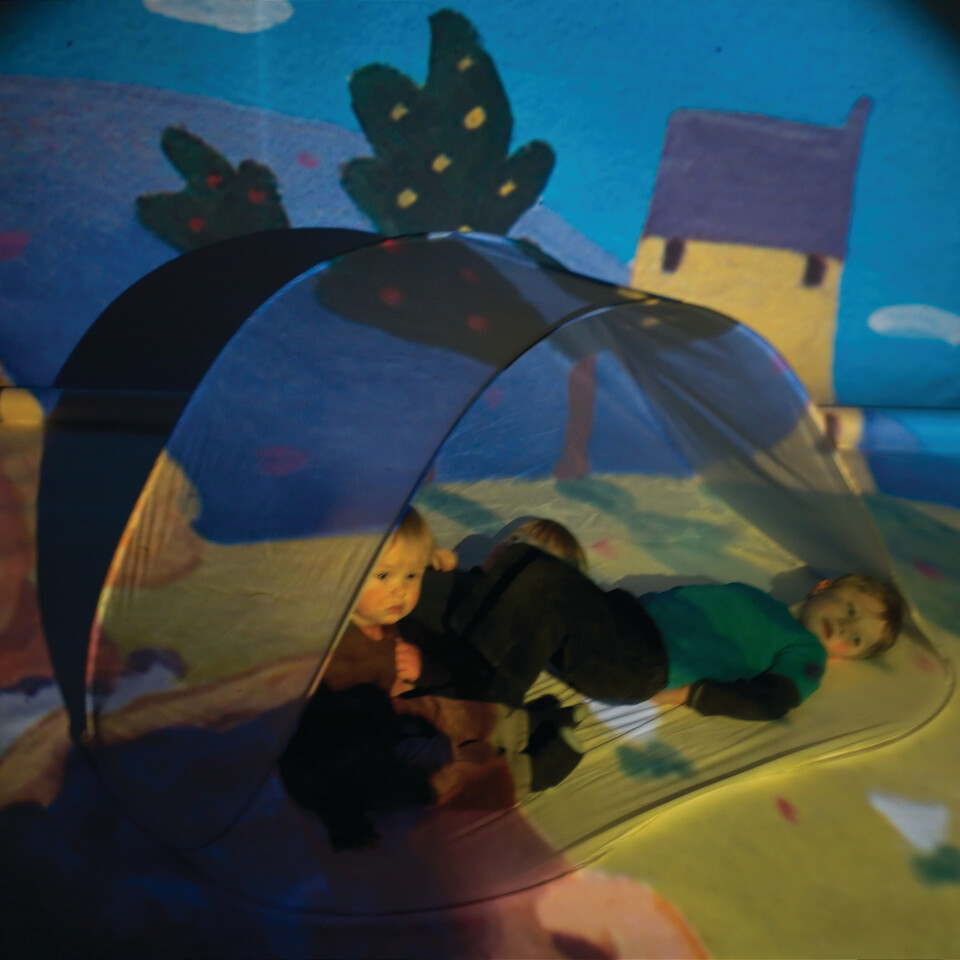
Projection Bubble
A pop-up shelter to project onto, for a small immersive space anywhere.
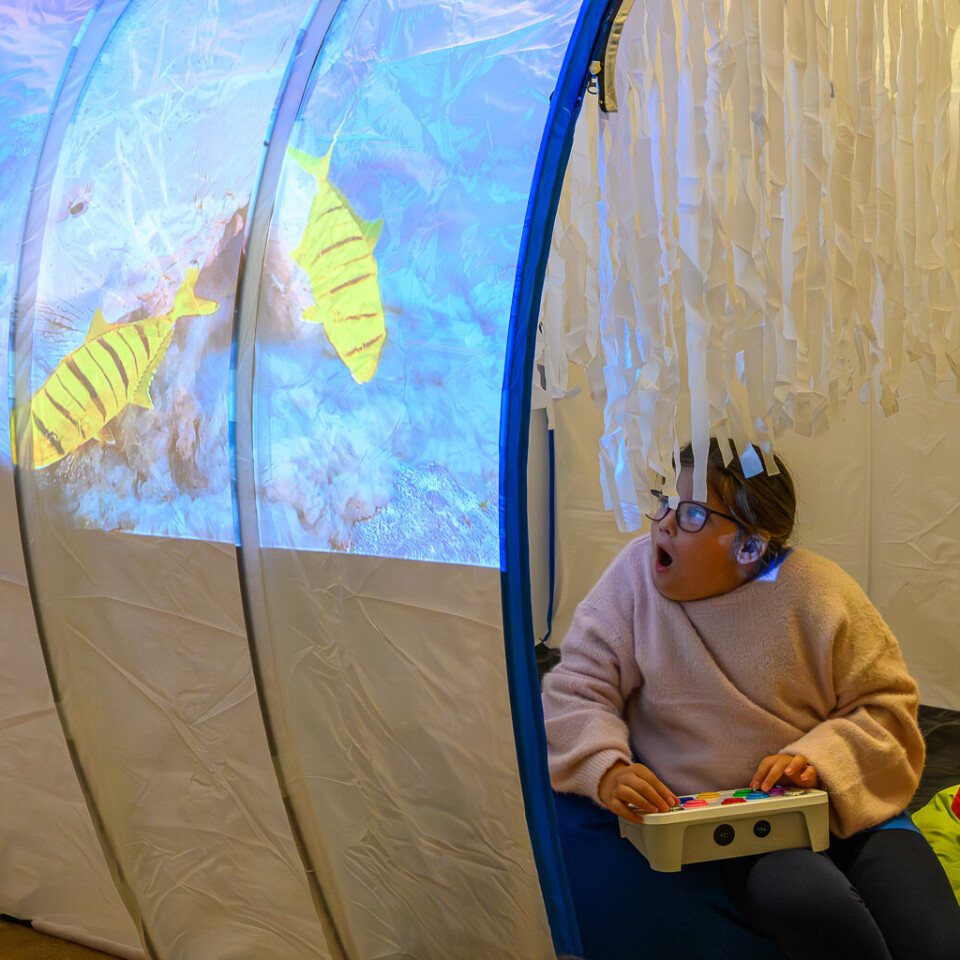
Projection Tunnel
Crawl through the scene instead of watching it.
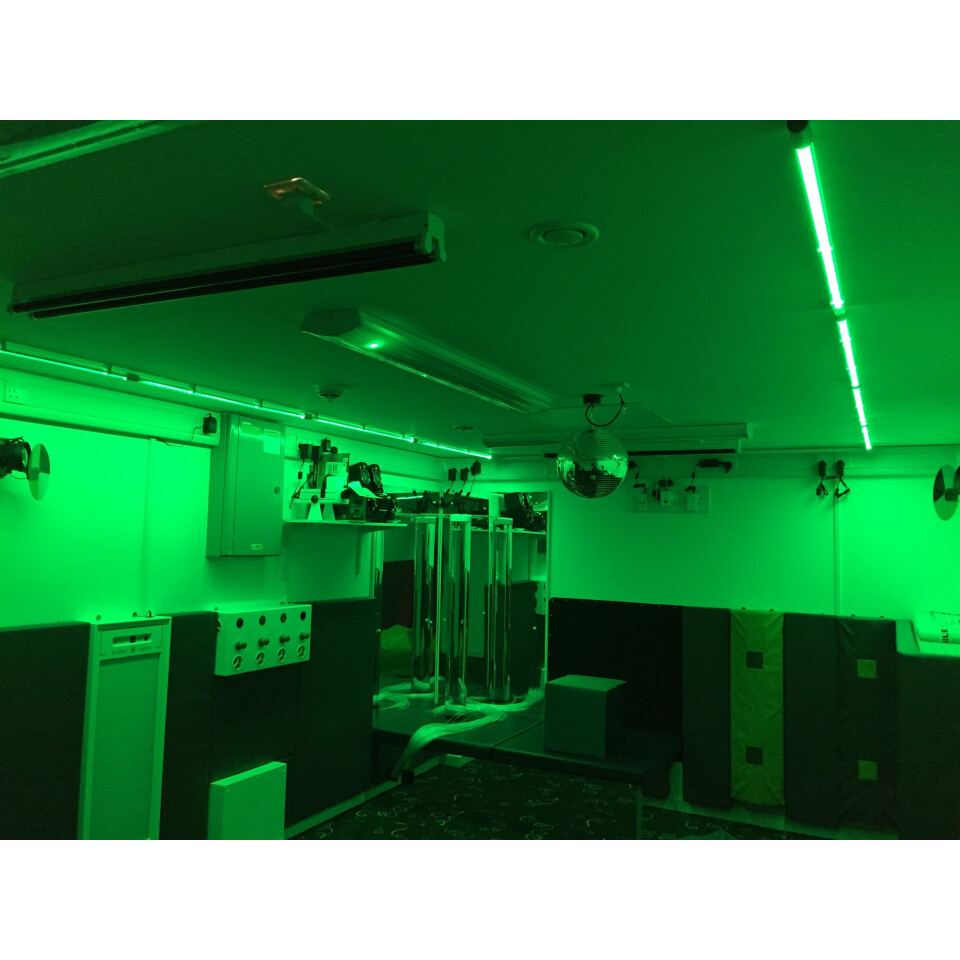
Colour Wash
Coloured light washing across the walls to match the scene.
Planning an immersive room
Space and light
Projection works best in a room you can make dark. Floor projection like the omiVista needs a clear area underneath, so plan furniture and equipment around it.
Budget
A Chromatheme starts from £299 and a Chromatheme Corner is £1,187. Movement-reactive projection like the omiVista starts from around £6,000. Prices exclude VAT.
Working with other equipment
At Heart of Worcestershire College, the Chromatheme works alongside the rest of the room's equipment, so the whole space changes together.
Get your free designFunding and grantsIn practice
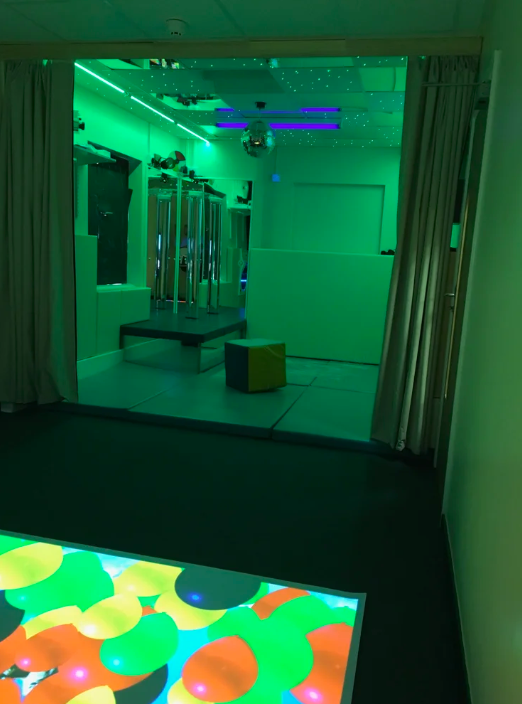
An omiVista at St Herbert's RC Primary School
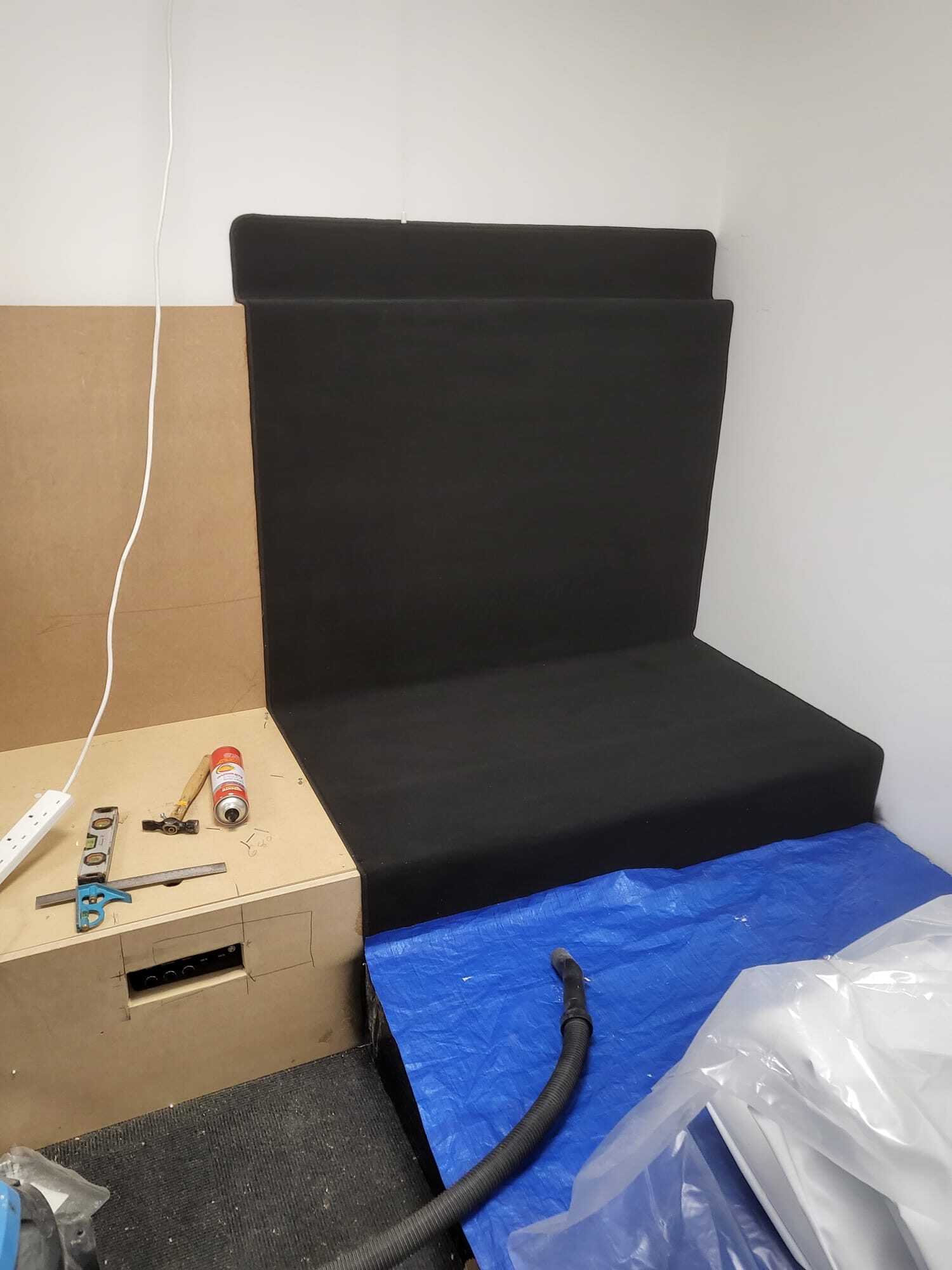
St Herbert's emptied a room and we turned it into an immersive sensory room, with a ceiling-mounted omiVista projecting onto the floor, a mirrored bubble column in a podium, a Gravity Wonderwall, a Shuddabar, colour wash lighting and made-to-measure padding fitted over two visits.
Immersive sensory room FAQs
What's the difference between the Chromatheme and the omiVista?
The Chromatheme is interactive through a controller. The omiVista reacts to movement on the floor beneath it, with no controller needed.
How much does an immersive sensory room cost?
A Chromatheme starts from £299 exc. VAT. Movement-reactive projection like the omiVista starts from around £6,000 exc. VAT, before other equipment.
Does the room need to be dark?
Projection looks best in a dark room. We can advise on blackout when we design the room.
Can we add projection to an existing sensory room?
Yes. Projection can be added to an existing room, and we can plan it to work with what you already have.
Do we need a whole room?
No. A Chromatheme Corner or Projection Bubble gives you an immersive space without a dedicated room.
Can it be part of a multi-sensory room?
Yes. Many multi-sensory rooms use projection alongside bubble tubes, fibre optics and soft play.