Forgive us if we misquote Garrett FitzGerald (1926-2011) economist, barrister and twice Taoiseach (prime minister) of Ireland. He has been described as the nicest man in Irish politics, with all the Irish charm but without the blarney. The actual quote is “That’s all very well in practice but does it work in theory.”
Sensory Rooms have become widespread and popular because they work. But why do they?
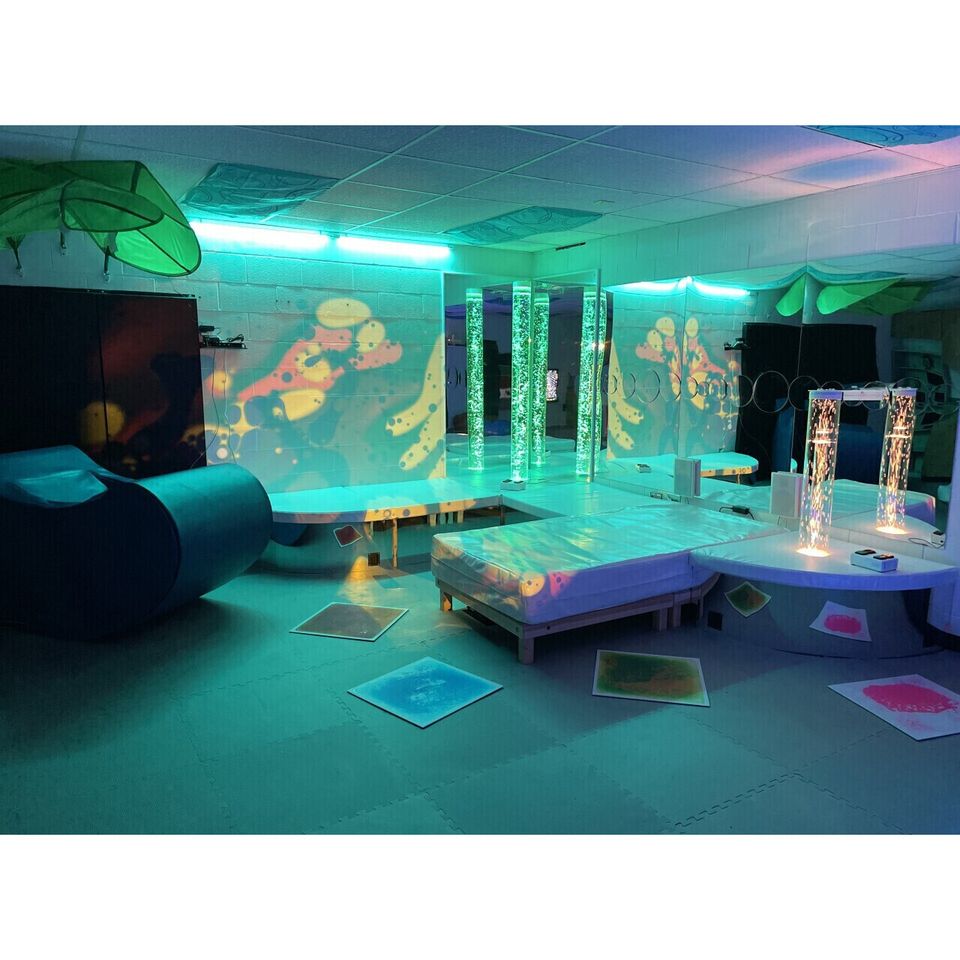
The basic premise, as Ad Verheul realized when he built the first one, is that we are all influenced by our surroundings. We behave completely differently in a fast-food diner than in an intimate little Italian trattoria. The noise, excitement and sense of occasion of a huge sporting event stimulate a very different response to that of the tranquillity of a woodland grove. It is this effect that the sensory room taps into.
They could be said to be manipulative. But then so are other human activities, particularly ceremonies. You would have had to have a hard heart not to have been moved by the marching soldiers at Queen Elizabeth’s funeral or by the joy of a wedding.
The concept is simple. By changing the environment, we change behavior. The more immersive the experience, the greater the change. This change can be quite profound. We take a client with severe behavioral problems into a sensory room and the transformation can be extraordinary. The benefit is not confined to the client; it affects the carer as well. We may see a different personality, previously hidden, in our client and our respect for them increases.
So, a sensory room makes sense (sorry about the unintended pun). Rooms are not terribly expensive and raising money for them is one of the less difficult fund-raising projects.
TFH has been designing and building sensory rooms for forty years. We are great innovators. We don’t patent or copyright our designs. The Vecta was the first mobile sensory room, the chromatheme will be the gold standard for projectors, and our recent concentration on music is going to add a new dimension to the use and enjoyment of rooms.
So, yes, they do work in theory as well as in practice, which is good news.
Keep reading

Designing a Sensory Space Around Students with Visual Impairments
How TFH partnered with Western Pennsylvania School for Blind Children to create a sensory environment built around the individual needs of its students.
All shook up, vibration in the sensory room
Many years ago, I visited the DeHartenburg Institute in the Netherlands, the birthplace of Snoezelen, the original senso...

Projectors in the Sensory Room – a new development
Ever since the birth of the sensory room, the projector has been at the heart of the installation. In many ways, it sets...