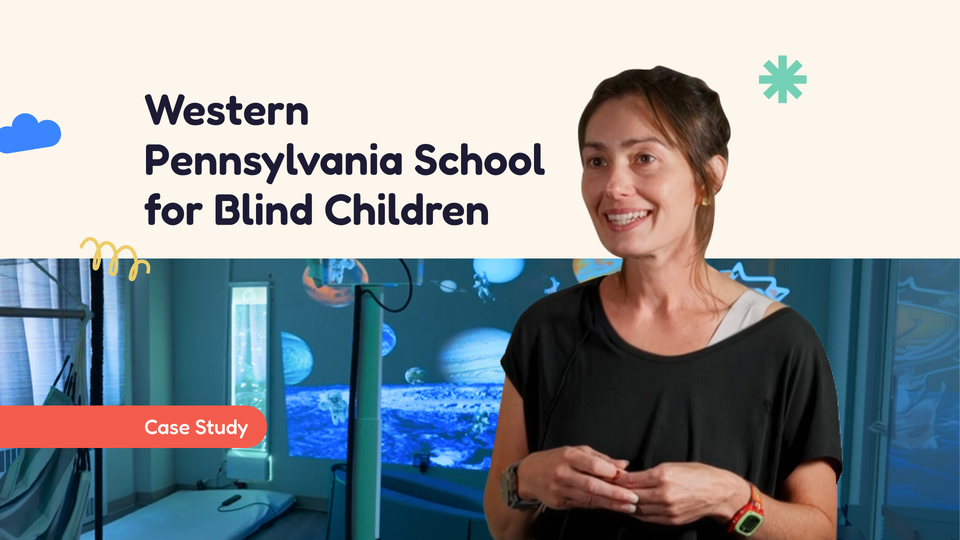
How TFH partnered with Western Pennsylvania School for Blind Children to create a sensory environment built around the individual needs of its students.
The Challenge
Students at Western Pennsylvania School for Blind Children who are visually impaired and have multiple disabilities often need additional support to regulate, understand sensory input, and feel ready to participate in learning.
The school had previously used a dedicated sensory room to provide that support. But during COVID, the room had to be repurposed to meet new space requirements.
“Before COVID happened, we had to get rid of that room to make more space to be compliant with the space restrictions. Now that we're past that, we have been able to open up the space and bring it back.”
When the school was ready to reopen the room, the team knew they didn't simply need to fill a space with sensory equipment. They needed to create an environment that reflected the unique needs of the students who would use it.
They needed a partner who could help translate those needs into the right sensory experiences. That's where TFH came in.
The Solution
TFH partnered with the school's occupational therapy team to rebuild and re-equip the sensory room from the ground up.
The team started with the students and their goals: How could the room help students regulate? How could sensory experiences support visual attention and motor skills? How could the environment provide useful feedback during therapy? And how could students practice skills in a controlled space before carrying them into the real world?
“Everything in the world is completely sensory. Having a nice controlled room to help students really understand what those inputs are doing to their body and how they respond to them, and then titrate that into the real world can be really beneficial.”
The result was a flexible sensory environment designed to support different students in different ways.
Supporting Visual Attention and Reaching
For students with low vision, practicing reaching can be challenging when they can't clearly see the object they're trying to reach.
Working with the OT team, TFH incorporated fiber optic lighting to provide bright, engaging visual targets. A teacher can use the lights to capture a student's attention and encourage them to reach toward them.
This creates a simple, repeatable opportunity to practice connecting what they see with how they move—a skill that can support everyday activities.
Making Breath Control Visible
The room can also support individualized therapeutic goals.
For a student working on breath support as part of an eating-related IEP goal, TFH's sound-reactive lighting provides immediate visual feedback. As the student controls their exhale through speech, the lighting responds in real time.
That gives the student a way to see the result of their breath—turning something they may not be able to easily feel or track into something they can observe and work on.
Creating a Place to Reset
The room isn't only used for structured activities.
Some students arrive having a particularly difficult day and need an opportunity to decompress before they're ready to engage. The team can give them a safe, controlled environment where they can lie down, curl up, and explore calming sensory input at their own pace.
“I always like my students to feel grounded, and I want them to know where they are in space.”
That sense of security can be the first step toward participation. Before a student can engage with a teacher, occupational therapist, speech therapist, behavior therapist, or physical therapist, they may first need an opportunity to become calm and regulated.
The Impact
The rebuilt sensory room gives the school's OT and education teams a dedicated environment they can adapt to the needs of each student.
Students can use the space to:
- Regulate when they feel overwhelmed
- Explore sensory input in a controlled environment
- Practice visual attention and reaching
- Work toward individualized therapeutic and educational goals
- Build awareness of how their bodies respond to sensory input
- Prepare to return to the classroom ready to participate
The team also watches closely for how individual students respond to sensory input they don't like. Those reactions can provide valuable information about what helps, what doesn't, and what a student may be ready to work toward.
Sometimes the team may gradually help a student build tolerance. Other times, a different sensory accommodation may be the better choice.
That flexibility is an important part of the room's value: the environment can adapt to the student, rather than expecting every student to respond to sensory input the same way.
“We can use all of those frameworks that we have from very skilled education, and we can look at each thing and truly apply it on an individual basis for each kiddo.”
The result is more than a restored sensory room. It's a purposeful environment the team can use to help individual students regulate, develop skills, and get ready to learn.
The Takeaway
For schools serving students with visual impairments and multiple disabilities, an effective sensory room starts with understanding the students—not simply choosing equipment.
TFH brought its expertise in sensory environments together with the school's knowledge of its students to create a space with a purpose behind every sensory experience.
That's the value of a thoughtful sensory design partner: you don't have to know exactly what equipment you need before you start.
Start with your students, their needs, and your goals. TFH can help you determine what your sensory space needs to do—and how to build an environment that supports it.
Ready to start planning your sensory space?
Talk with a TFH sensory space specialist about your students, your goals, and your space.
Showcased Products:
Keep reading
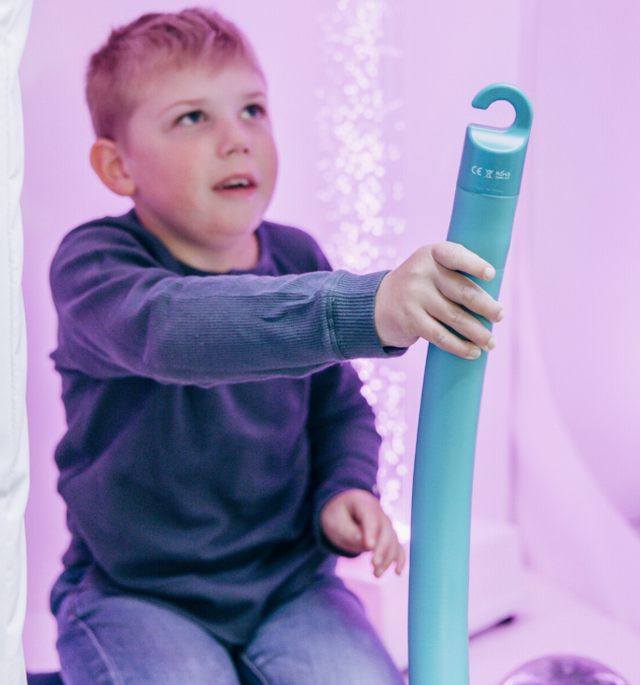
All shook up, vibration in the sensory room
Many years ago, I visited the DeHartenburg Institute in the Netherlands, the birthplace of Snoezelen, the original senso...

Projectors in the Sensory Room – a new development
Ever since the birth of the sensory room, the projector has been at the heart of the installation. In many ways, it sets...
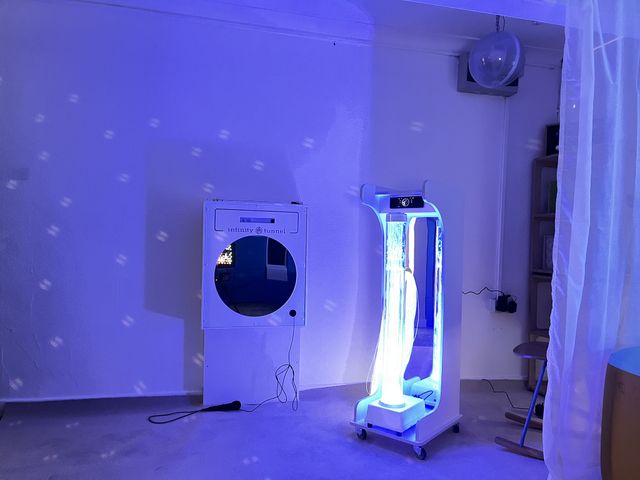
If space is a problem for your sensory room
We are often told, “We’d love to have a sensory room but frankly we haven’t got the space.”Actually, you need surprising...