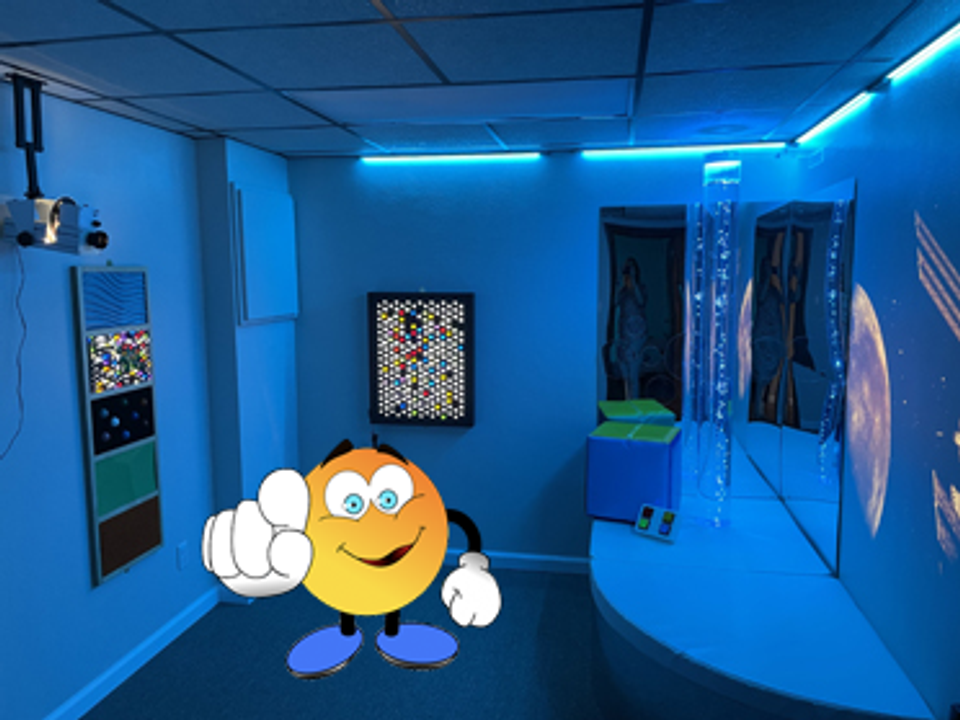

YOU are the most important element in a Multi Sensory Room!
The equipment is important but you as a willing, cheerful facilitator make the room come alive and give it purpose. Consider the following when starting to plan your Sensory Room.
We can help you put all these components together with our free consultation and design service. Contact us at mse@tfhusa.com to get things started.
A sensory room can be many things but in order for it to be effective you have to keep a few things in mind.
- Flexibility
- Opportunities without overwhelming
- Positive attitude of facilitator
- Staff involvement
- Supervision
- Ease of use
Establish the goals of your sensory room.
- Relaxation
- Stimulation
- Motor Skills Development
- Combination Room
Staff Approach
- Establish continual training. (We have a professional Sensory Room Trainer to meet your needs)
- Value the clients.
- Be responsive to clients communication (sounds, facial expressions, body language).
- Have a facilitator attitude
- Be sensitive and caring.
- Employ a non-directive approach.
- Make the clients feel safe and secure.
- Be creative in the environment.
- Follow client and support them.
- Have an effective assessment tool to document sessions and progress.
Size of Space
- Really can be any size space by itself or within a room.
- Smaller spaces are better for calming/relaxing sensory rooms.
- Larger spaces work well for sensory gyms and combination rooms.
- Combination rooms are best separated by a curtain or partition for definition.
Keep reading

Designing a Sensory Space Around Students with Visual Impairments
How TFH partnered with Western Pennsylvania School for Blind Children to create a sensory environment built around the individual needs of its students.
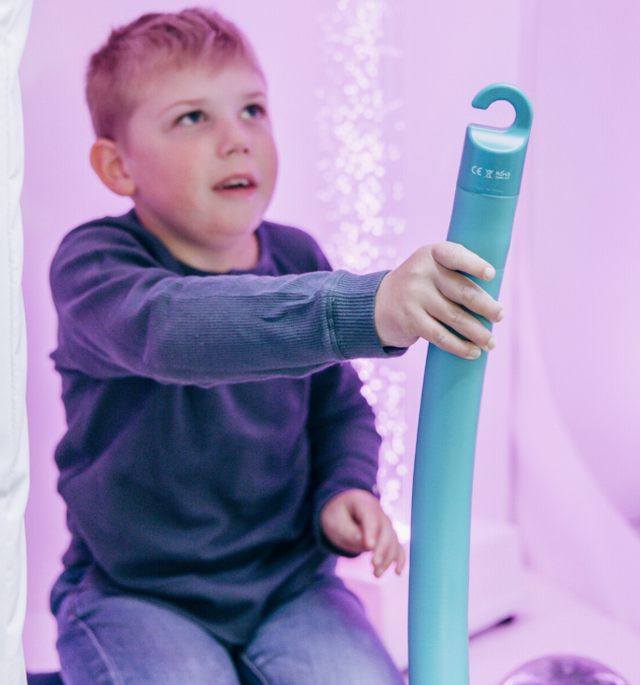
All shook up, vibration in the sensory room
Many years ago, I visited the DeHartenburg Institute in the Netherlands, the birthplace of Snoezelen, the original senso...

Projectors in the Sensory Room – a new development
Ever since the birth of the sensory room, the projector has been at the heart of the installation. In many ways, it sets...