Sensory Support for Teens & Young Adults
Your Teen Grew Up. Did Their Sensory Space Grow With Them?
sensory room for teenagers, sensory space for teens, sensory equipment for teenagers, calming space for autistic teenager, teen sensory room Canada.
Sensory Support for Teens & Young Adults
sensory room for teenagers, sensory space for teens, sensory equipment for teenagers, calming space for autistic teenager, teen sensory room Canada.
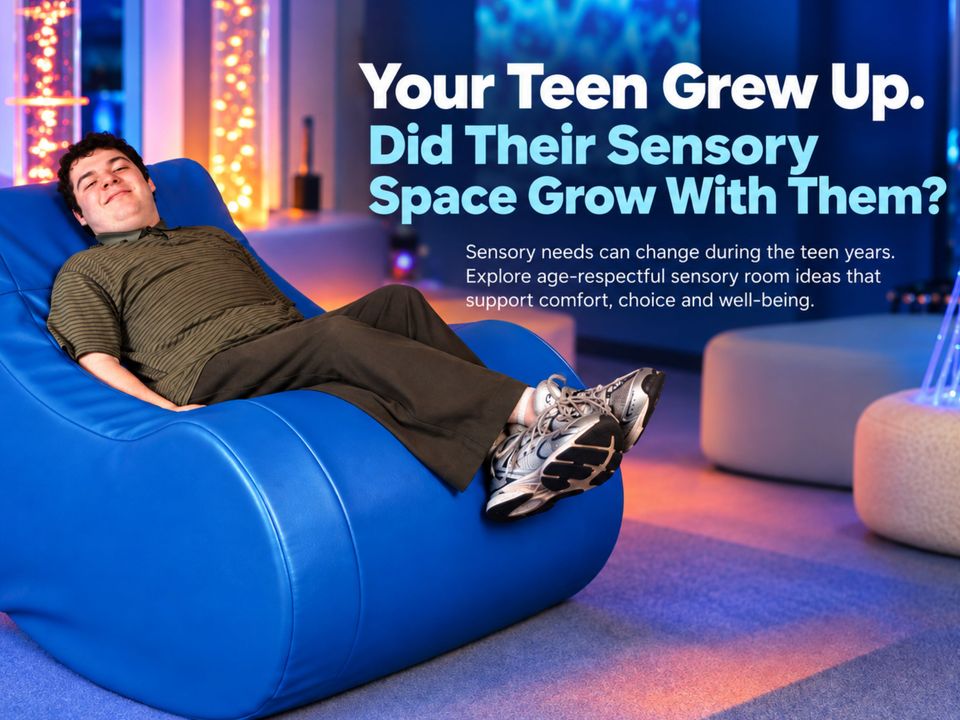
Teenagers grow. Their interests change. Their bodies change. Their need for privacy, independence and control changes too.
Sensory needs can change as well.
A sensory space that worked beautifully at eight may not feel right at fifteen. The goal isn't necessarily to take sensory supports away as a child gets older. It may simply be time to let the sensory space grow up with them.
Movement, sound, vibration, pressure, light and quiet can remain meaningful well beyond childhood.
What may change is how a teenager wants to experience them.
A teen who once loved a brightly coloured play space may now prefer a darker corner with projected images and music. Someone who sought lots of movement may still want to rock or swing but need equipment designed for their larger body.
Others may discover entirely new preferences.
That's why sensory spaces for teenagers should start with the person—not a checklist of equipment.
Teenagers deserve environments that respect their age and personality.
Think less about creating a "special needs room" and more about creating a place someone would genuinely choose to spend time in.
That could include:
Most importantly, look for opportunities for choice and control.
Can they change the colour? Choose the music? Turn something on or off? Increase or decrease an experience? Decide when they've had enough?
Those seemingly small choices can make a sensory space feel much more personal.
Not every teenager wants a room full of equipment.
Sometimes a great sensory space is simply a comfortable chair, gentle movement, a favourite playlist and lighting they can control.
For others, an interactive environment filled with colour, sound, movement and cause-and-effect experiences is exactly what they are looking for.
There isn't one correct sensory room.
At TFH Canada, we think the better question is:
What does this person enjoy, seek out or choose—and how can the environment make more of that possible?
Teenagers aren't little kids in bigger clothes.
When choosing sensory equipment for teens and young adults, consider physical size, weight limits, positioning, accessibility and how independently the equipment can be used.
Adult-sized swings, supportive seating, larger movement equipment and accessible controls can help a space continue to be useful as someone grows.
Growing up doesn't mean growing out of sensory experiences.
It means giving teenagers opportunities to discover what works for their changing body, preferences and world.
And sometimes the best place to begin isn't with a product at all.
Ask:
What would make this a space you actually want to be in?
Their answer might surprise you.
Play is Powerful. At every age.
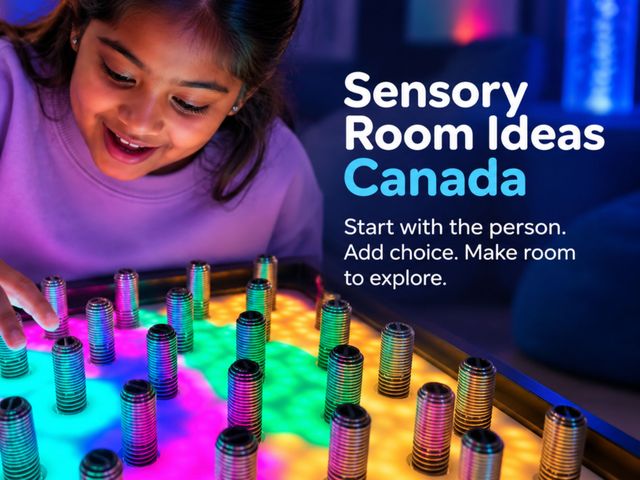
Looking for sensory room ideas in Canada? Discover how thoughtful sensory spaces can create more opportunities for choice, movement, interaction and quiet. Start with the person, follow what
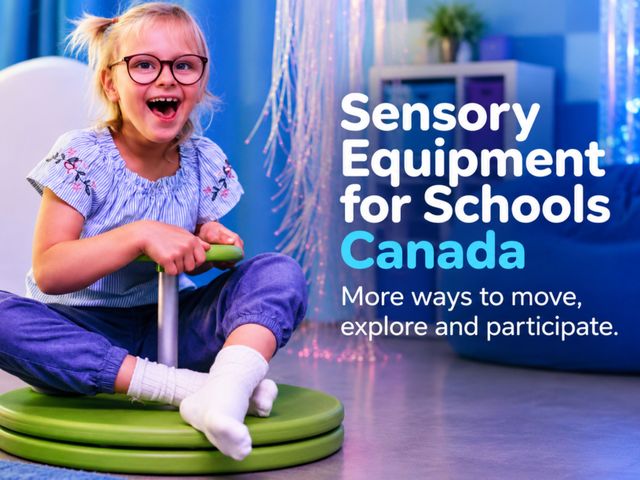
Sensory support at school starts with the student. Explore how movement, quiet spaces, interactive equipment and meaningful choice can help create school environments with more ways to partic
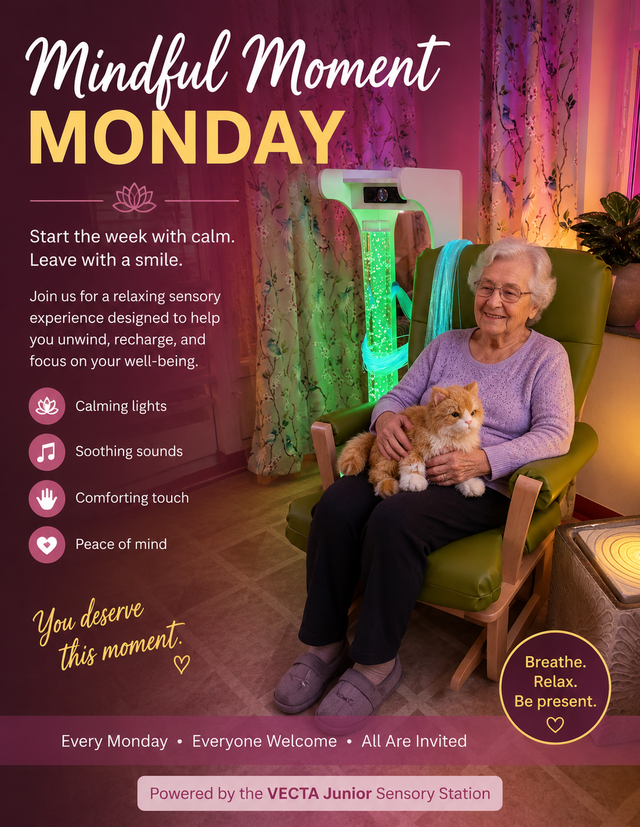
Discover how mobile sensory stations can transform long-term care homes, rehabilitation centres, and multi-purpose spaces into engaging therapeutic environments—without the need for a dedicat