Supporting Different Ways to Learn, Move & Participate
Sensory support at school starts with the student. Explore how movement, quiet spaces, interactive equipment and meaningful choice can help create school environments with more ways to partic
Sensory support at school starts with the student. Explore how movement, quiet spaces, interactive equipment and meaningful choice can help create school environments with more ways to partic

One may concentrate better while moving. Another may seek a quieter place when the room gets busy. Someone else may communicate using pictures or a device, need more time to respond, or simply learn best when they can touch, move and explore.
At TFH Canada, we believe support starts by noticing the person before the product.
Before adding another tool, chair, fidget or piece of sensory equipment, look at what the student is already showing you.
Do they seek movement? Avoid certain sounds? Watch spinning or repeated patterns? Prefer deep pressure? Need somewhere quieter? Enjoy making things happen?
Those observations can help educators, families and support teams create environments with more meaningful options.
Sensory support doesn't always mean leaving the classroom for a sensory room.
It might mean access to movement, alternative seating, a tactile experience, a quiet retreat or an interactive activity that gives the student control.
The important word is choice.
Rather than deciding that everyone needs to “calm down,” we can create spaces where students can choose what feels useful to them.
Sensory spaces can be part of a classroom, resource room, library, wellness space or dedicated multisensory environment.
And they don't need to be complicated.
Start with the people using the space. Consider movement, body awareness, touch, sound, visual experiences, communication and quiet. Then choose equipment that creates opportunities to participate.
Because a great sensory space isn't measured by how much equipment fits inside it.
It's measured by how much room it creates for the person.
TFH Canada works with schools and organizations across Canada to create sensory spaces and select equipment for different ages, abilities and environments.
Start with the person. Add choice. Make room to participate.
Together for Every Ability.
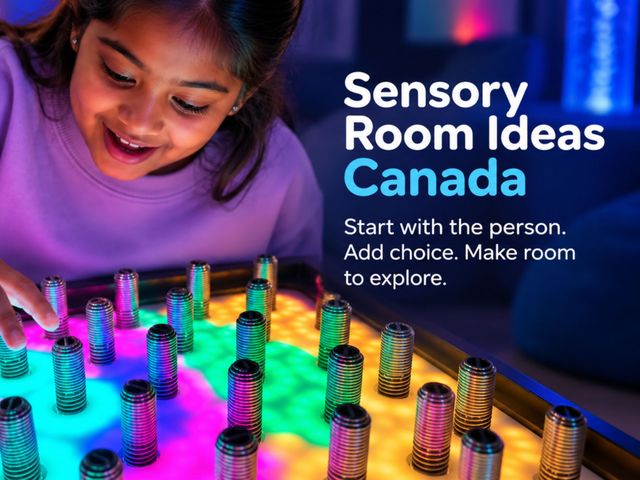
Looking for sensory room ideas in Canada? Discover how thoughtful sensory spaces can create more opportunities for choice, movement, interaction and quiet. Start with the person, follow what
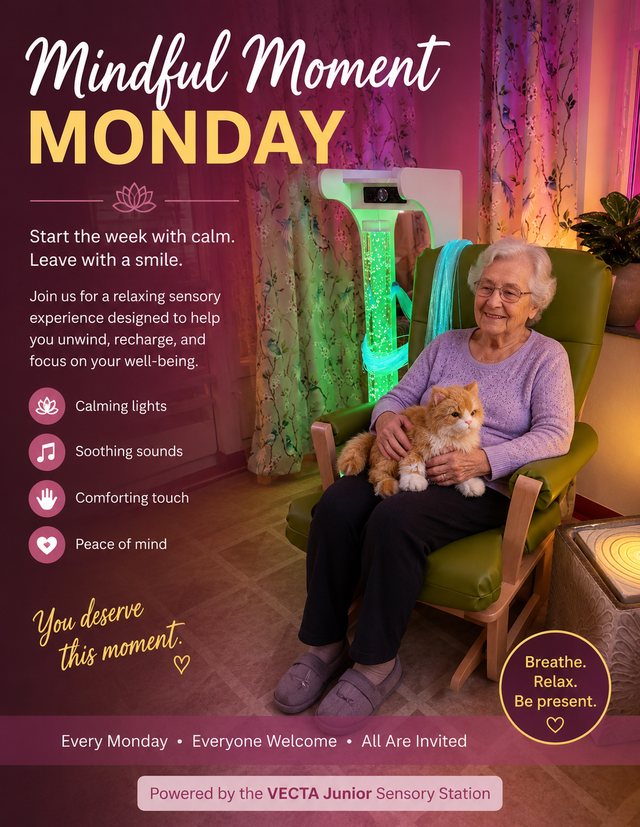
Discover how mobile sensory stations can transform long-term care homes, rehabilitation centres, and multi-purpose spaces into engaging therapeutic environments—without the need for a dedicat
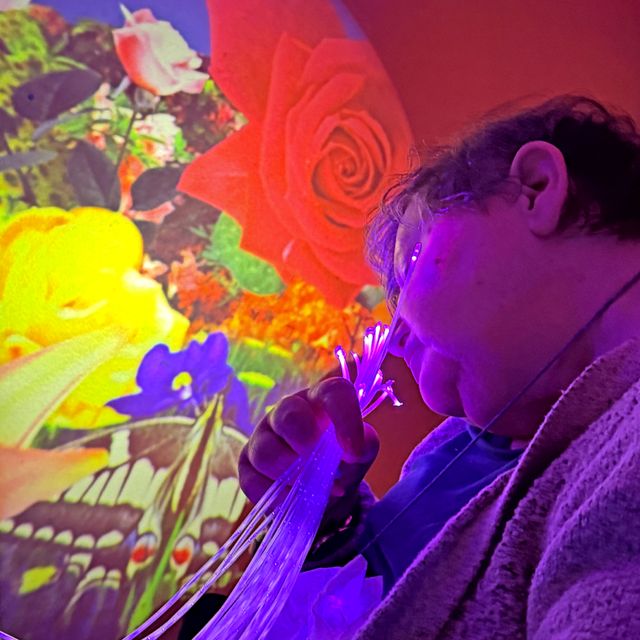
Discover innovative projector programming ideas for dementia sensory rooms using guided imagery, reminiscence therapy, and immersive sensory engagement. Learn how TFH Canada supports meaningf