In dementia care, meaningful engagement is not simply about filling time — it is about creating moments of connection, comfort, memory, and identity. Across Canada, sensory rooms are becoming increasingly recognized as powerful therapeutic spaces where technology and human-centered care intersect. At TFH Canada, we believe thoughtfully designed sensory environments can help individuals living with dementia experience calm, joy, familiarity, and emotional safety.
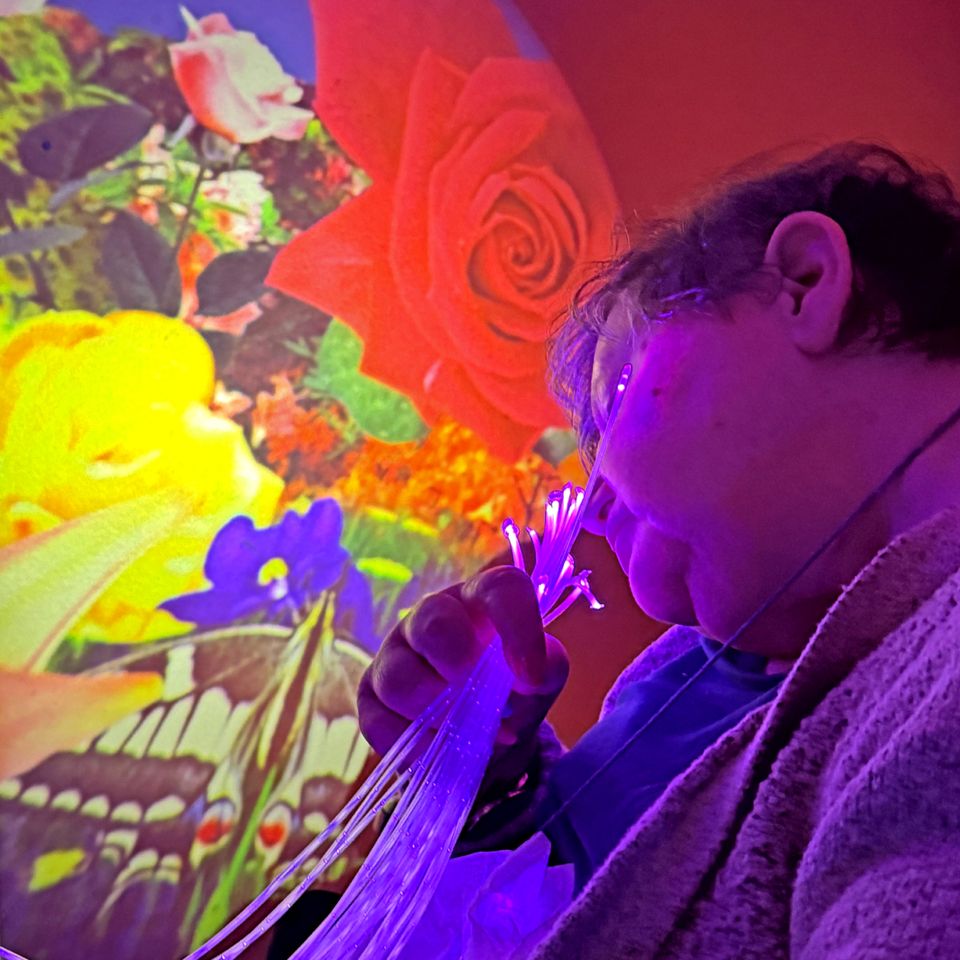
One of the most impactful tools within these environments is projector programming. Through immersive visuals, movement, soundscapes, and guided imagery, projectors can transform a room into a gentle forest, a deep ocean experience, a nostalgic hometown garden, or a sky full of fireworks. When used intentionally, projector experiences can reduce anxiety, encourage communication, stimulate reminiscence, and support emotional well-being.
Why Sensory Projection Matters in Dementia Care
People living with dementia often experience changes in perception, orientation, memory, and emotional regulation. Traditional activity programming may become challenging as cognitive abilities shift. Sensory engagement, however, remains deeply meaningful because it bypasses the need for complex verbal processing and instead connects through emotion, familiarity, and sensory experience.
Research from the Journal of Alzheimer’s Disease found that multisensory stimulation environments can positively impact mood, reduce agitation, and improve quality of life in individuals living with dementia (Collier & Jakob, 2017). Additionally, the principles of Guided Imagery Theory, developed through psychophysiological relaxation practices, suggest that visualized experiences can influence emotional and physiological states by activating memory, emotion, and sensory association pathways. Guided imagery has long been used to support relaxation, stress reduction, and emotional comfort in healthcare settings.
In practice, projector programming becomes more than visual entertainment — it becomes an invitation into emotional memory and sensory safety.
Projector Programming Ideas for Dementia Sensory Rooms
1. Nature Immersion Experiences
Nature imagery is consistently calming and grounding for many individuals. Gentle motion scenes can help reduce overstimulation while creating a peaceful sensory atmosphere.
Programming Ideas:
- Flowing rivers and forest walks
- Slow-moving clouds and sunrises
- Seasonal Canadian landscapes
- Birds in flight or butterflies in gardens
- Northern lights projections with soft ambient music
Engagement Extensions:
- Introduce pine, lavender, or fresh grass scents
- Use tactile items such as leaves, stones, or soft blankets
- Encourage storytelling:
- “Did you ever go camping?”
- “What season was your favourite?”
Nature-based projections can support emotional regulation and create opportunities for reminiscence without pressure.
2. Guided Imagery Relaxation Sessions
Guided imagery combines calming narration with visual immersion to support emotional regulation and relaxation.
Example Session Themes:
- Walking along a quiet beach
- Sitting beside a campfire
- Watching snowfall from a cabin window
- Floating clouds and breathing exercises
- Garden meditation journeys
Care staff or therapists can narrate slowly while the projector creates a fully immersive atmosphere.
Example Prompt:
“Imagine the warmth of the sun on your shoulders as you listen to the waves gently reaching the shore…”
This style of programming can be particularly beneficial during:
- Sundowning periods
- Transition times
- Moments of agitation or anxiety
- Pre-sleep evening routines
3. Interactive Movement and Engagement
Projection systems can also encourage gentle physical engagement.
Ideas Include:
- Floor projections of leaves or fish that move when stepped on
- Balloon or scarf activities against projected skies
- Chair-based movement sessions with flowing imagery
- Interactive dance and rhythm visuals
Movement-based sensory projection supports both cognitive stimulation and physical activation in a non-threatening, accessible way.
The Importance of Personalization
No two dementia journeys are alike. The most effective sensory projector programming is individualized and responsive to the person’s history, culture, preferences, and sensory tolerance.
At TFH Canada, we encourage care teams to consider:
- Personal history and meaningful life experiences
- Cultural familiarity
- Sensory sensitivities
- Cognitive stage
- Emotional responses to specific imagery or sounds
A projector experience should never feel overwhelming or chaotic. Gentle pacing, predictable movement, and emotional familiarity are key.
Experience in Practice
Care providers frequently report that immersive projection environments create moments of connection that traditional activities cannot always achieve. In one Canadian long-term care setting, staff observed that residents who were typically withdrawn became more verbally engaged during projected nature and reminiscence sessions. Family members noted increased eye contact, storytelling, and visible emotional relaxation during guided imagery programming.
Experiential approaches like these remind us that dementia care is not only about managing symptoms — it is about preserving humanity, comfort, and meaningful moments.
Creating Meaningful Sensory Spaces with TFH Canada
At TFH Canada, we believe sensory environments should empower connection, calm, and dignity at every stage of life. Thoughtfully integrated projector systems can transform sensory rooms into immersive spaces that encourage reminiscence, emotional regulation, relaxation, and engagement for individuals living with dementia.
By blending technology with compassionate care practices, sensory projection becomes more than a visual tool — it becomes a bridge to memory, emotion, and human connection.
References
Collier, L., & Jakob, A. (2017). The multisensory environment (MSE) in dementia care: A literature review. Journal of Alzheimer’s Disease.
Utay, J., & Miller, M. (2006). Guided imagery as an effective therapeutic technique: A brief review of its history and efficacy research. Journal of Instructional Psychology.