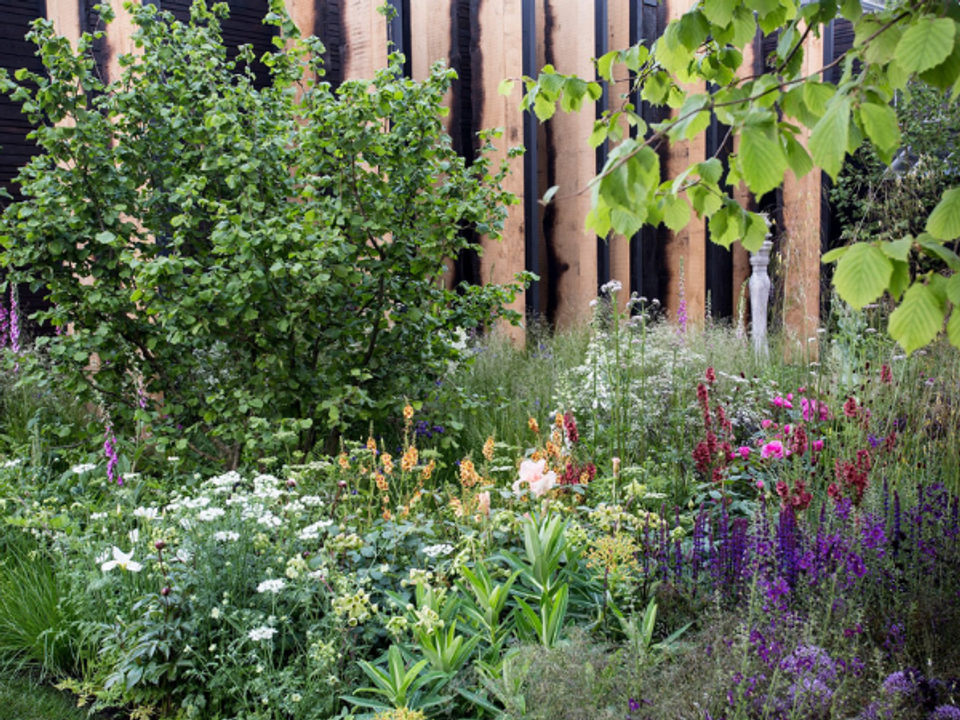
In our fast-paced world, finding moments of peace and connection with nature can significantly enhance our well-being. A sensory garden is a therapeutic space designed to engage all five senses, providing a sanctuary that promotes therapy, freedom, and happiness (see how we do that @ TFH Canada)! These gardens are often used in therapeutic settings to help individuals with physical, emotional, and cognitive challenges. By engaging these senses, sensory gardens can promote relaxation, reduce stress, and enhance overall well-being.
Benefits of a Sensory Garden
1. Therapy
Sensory gardens are a powerful tool for therapeutic intervention. They can be used in conjunction with traditional therapies to help individuals manage stress, anxiety, and depression. The act of gardening itself can be therapeutic, providing a sense of purpose and accomplishment.
2. Freedom
A sensory garden provides a sense of freedom and escape from the constraints of indoor spaces. It allows individuals to explore and interact with their environment in a way that is both safe and stimulating. This freedom to engage with nature on their terms can be particularly beneficial for individuals with disabilities, offering them a space to move, touch, and experience the world around them.
3. Happiness
Spending time in nature has been proven to boost mood and increase feelings of happiness. A sensory garden, with its vibrant colours, pleasant scents, and soothing sounds, creates an environment that encourages joy and contentment.
How to Create an Outdoor Sensory Garden
Creating a sensory garden doesn't require a large space or a significant investment. With a bit of planning and creativity, you can transform any outdoor area into a therapeutic oasis with elements of Therapy, Freedom, and Happiness!
1. Plan Your Space
Think about the layout, pathways, and areas for seating or relaxation. Ensure that the garden is accessible to everyone, including those with mobility issues.
2. Choose the Right Plants
Some great options include:
- Lavender: Known for its calming scent.
- Sunflowers: Bright and cheerful, adding a splash of colour.
- Lamb's Ear: Soft, velvety leaves that invite touch.
- Mint: Refreshing scent and taste.
3. Incorporate Water Features
The gentle sound of running water can help mask unwanted noise and create a peaceful atmosphere.
4. Engage the Sense of Sound
Plant tall grasses that rustle in the wind, hang wind chimes, or install speakers to play soft, ambient music. The goal is to create a multi-sensory experience that soothes and relaxes.
How to Create an Indoor Sensory Garden
1. Plan Your Space
Start by assessing the available space and considering how to incorporate elements that engage all the senses.
2. Choose the Right Sensory Elements
Select a variety of sensory elements that offer different experiences:
- Visual: Use a projector with a variety of wheels to display calming images. The Floral Effects Wheel is an excellent choice to spark conversations and engage the visual senses.
- Aromatics: Incorporate essential oils to bring the scents of nature indoors. Our Flowers Aromatherapy Oils offer a range of scents to choose from, ideal for those who need to isolate or prefer indoor activities.
- Tactile: Use sensory tables to create interactive, touch-friendly environments. Our All Accessible Table and Height Adjustable Sensory Activity Tables can be customized with various tactile materials to enhance the sensory experience.
By thoughtfully designing an indoor or outdoor space that engages all the senses, you can provide a sanctuary for yourself and others to reconnect with nature and enhance overall well-being. Whether you're looking to create a small corner of tranquillity in your backyard or home, or a larger community space, the benefits of a sensory garden are profound and lasting
Keep reading

Supporting Different Ways to Learn, Move & Participate
Sensory support at school starts with the student. Explore how movement, quiet spaces, interactive equipment and meaningful choice can help create school environments with more ways to partic

Small Space, Big Impact: Why Mobile Sensory Stations Might Be Your Facility's Best Kept Secret
Discover how mobile sensory stations can transform long-term care homes, rehabilitation centres, and multi-purpose spaces into engaging therapeutic environments—without the need for a dedicat

Illuminating Connection: Projector Programming Ideas for Dementia Engagement Through Sensory Rooms and Guided Imagery
Discover innovative projector programming ideas for dementia sensory rooms using guided imagery, reminiscence therapy, and immersive sensory engagement. Learn how TFH Canada supports meaningf