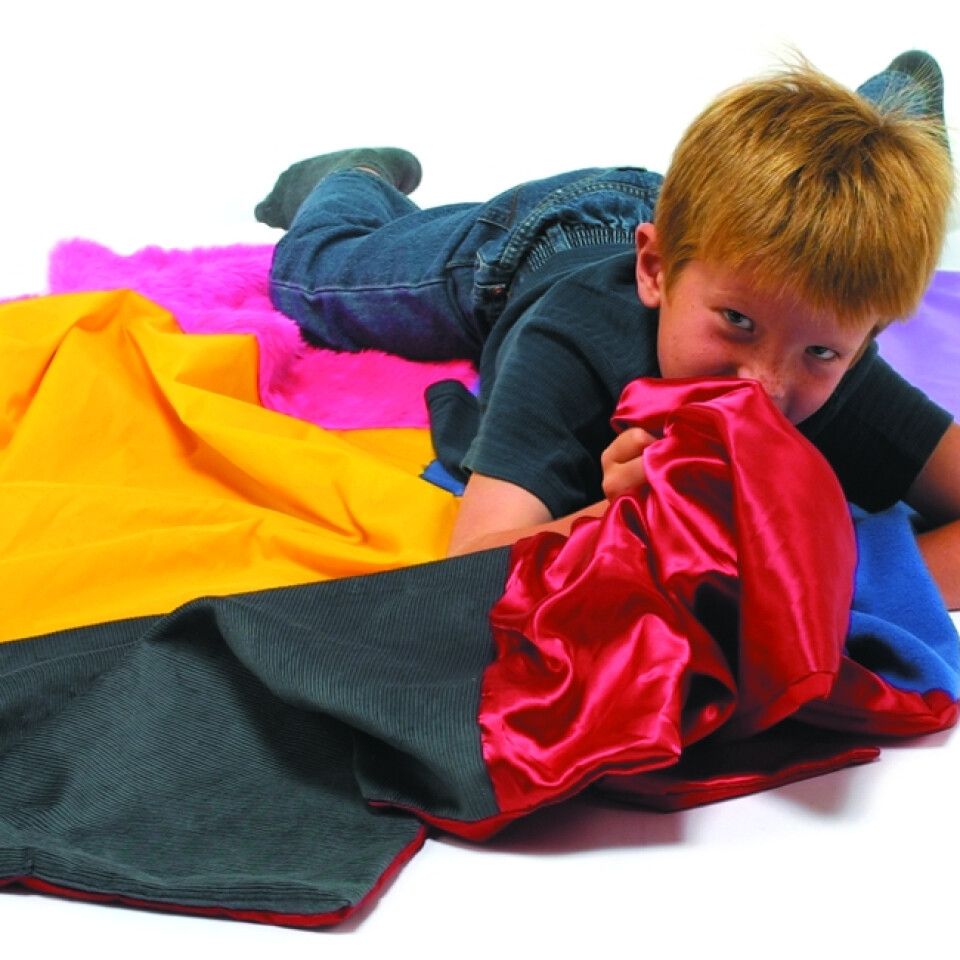
Accessible learning looks different for every learner — and tactile experiences play a powerful role in helping children understand, explore, and engage with the world around them. Hands-on, sensory-rich learning supports not only academic growth, but confidence, regulation, and meaningful connection to learning.
What Is Tactile Learning?
Tactile learning involves using touch and physical interaction to explore concepts and information. This can include textured surfaces, manipulatives, hands-on tools, and sensory-based materials that invite learners to engage through movement and touch.
For many learners — including those with sensory processing differences, autism, ADHD, learning disabilities, or those who simply learn best by doing — tactile input supports comprehension, focus, and confidence.
Why Tactile Learning Is So Effective
Touch provides direct, meaningful feedback to the brain. When children physically engage with learning materials, they are often better able to:
- Understand abstract concepts
- Build fine motor skills
- Strengthen memory and retention
- Stay engaged for longer periods
- Feel confident and capable in their learning
Tactile learning can also support emotional regulation by grounding learners in their bodies and environment, helping them feel calm, present, and ready to learn.
Accessibility Benefits Everyone
One of the most powerful aspects of tactile learning is its role in inclusive education. When learning tools are designed to be hands-on and multisensory, barriers are reduced — allowing more learners to participate fully and independently.
Inclusive learning environments:
- Support multiple learning styles
- Encourage participation from all students
- Reduce frustration and anxiety
- Promote independence and self-advocacy
This is the heart of accessibility: creating spaces and tools that work for a wide range of needs, without singling anyone out.
Supporting Tactile Learning at Home and School
Incorporating tactile learning doesn’t require a complete overhaul. Even small, thoughtful additions can make a meaningful difference:
- Textured manipulatives for math and early literacy
- Sensory tools that encourage exploration and curiosity
- Fine motor activities that build skill and confidence
- Multisensory materials that invite hands-on engagement
When children are given opportunities to learn through touch, they are empowered to engage in ways that feel natural, supportive, and effective.
A Commitment to Inclusive Learning
At TFH Canada, we are committed to supporting inclusive play and learning through thoughtfully designed sensory and tactile products that meet learners where they are.
Because when learning is accessible, engaging, and inclusive — everyone has the opportunity to thrive.
Keep reading
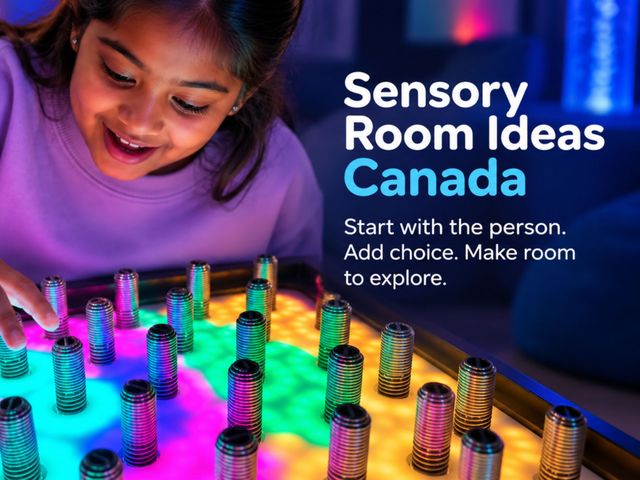
Sensory Room Ideas Canada: Creating Sensory Spaces With Choice
Looking for sensory room ideas in Canada? Discover how thoughtful sensory spaces can create more opportunities for choice, movement, interaction and quiet. Start with the person, follow what
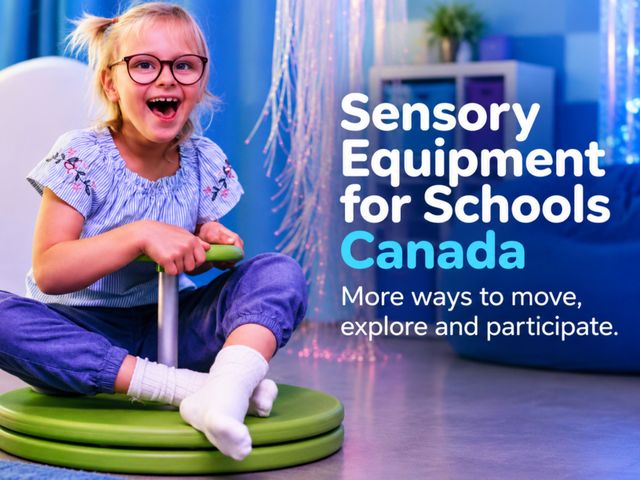
Supporting Different Ways to Learn, Move & Participate
Sensory support at school starts with the student. Explore how movement, quiet spaces, interactive equipment and meaningful choice can help create school environments with more ways to partic

Small Space, Big Impact: Why Mobile Sensory Stations Might Be Your Facility's Best Kept Secret
Discover how mobile sensory stations can transform long-term care homes, rehabilitation centres, and multi-purpose spaces into engaging therapeutic environments—without the need for a dedicat