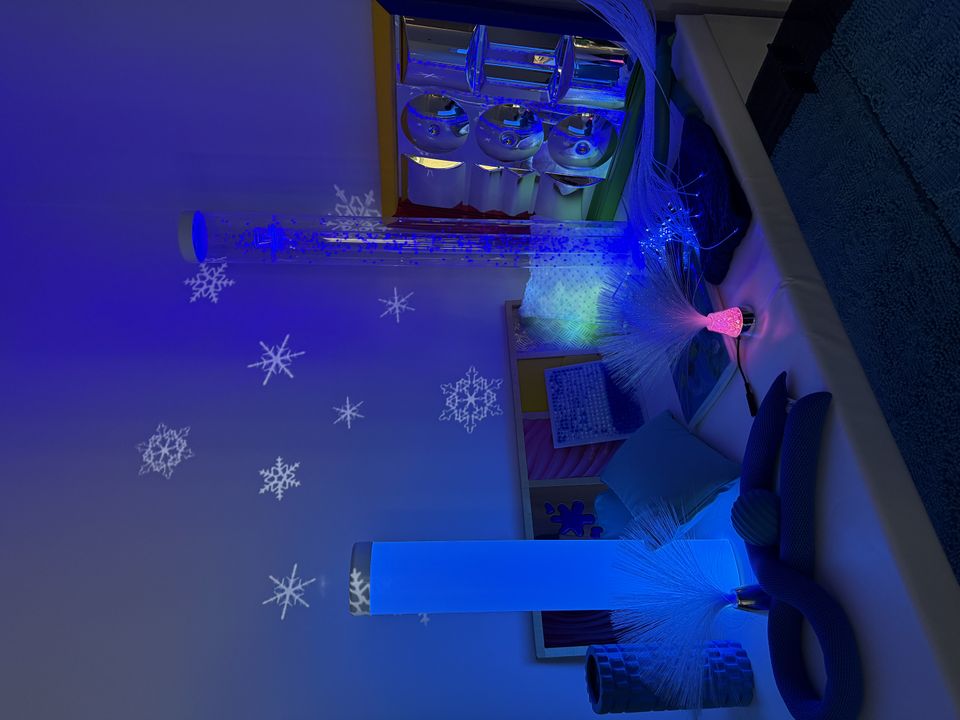
Winter break brings a welcome pause from school — but it can also disrupt routines that many neurodiverse children rely on. With extra downtime, travel, visitors, and unpredictable schedules, regulation can be harder to maintain.
The good news? A few simple, OT-informed strategies can help keep your days smoother, calmer, and more connected.
Why Routine Shifts Are Hard
Many kids thrive on structure. During winter break, predictable rhythms like morning routines, school transitions, movement breaks, and social cues all disappear.
This can lead to:
- increased sensory seeking or avoiding
- emotional ups and downs
- trouble with transitions
- restlessness or boredom
- more meltdowns
Supporting regulation doesn’t require strict schedules — just gentle anchors that help kids feel safe.
Create Simple Daily Anchors
Instead of trying to recreate school, build a few consistent touchpoints into each day:
Morning Anchor:
-Breakfast, a calm activity, or a visual schedule of the day.
Midday Anchor:
-Outdoor time, movement play, or hands-on sensory activities.
Evening Anchor:
-A predictable wind-down routine with screens off, dim lighting, or quiet play.
Anchors give the day shape without rigid timing.
Use Visual Schedules or Choice Boards
Visuals help children understand what’s coming and reduce anxiety around transitions. They don’t need to be fancy — simple drawings or a whiteboard work great.
Ideas to include:
- outdoor time
- snack time
- sensory play
- quiet time
- screen time
- chores or helping tasks
- crafts or fine-motor activities
Let kids choose between two or three options to boost autonomy and cooperation.
Build In Daily Movement
OTs call this “heavy work,” and it’s wonderful for regulation. Movement helps kids burn energy, ground their bodies, and stay calmer throughout the day.
Try:
- indoor obstacle courses
- carrying laundry baskets
- wall push-ups
- couch cushion crash pads
- shoveling snow
- animal walks (bear, crab, frog jumps)
Even 10 minutes makes a difference.
Expect — and Allow — Regulation Breaks
Winter break can be a lot. Kids may need more downtime, more movement, or more reassurance.
Plan for:
- quiet time (screens optional)
- solo play
- cozy corners
- noise-reducing headphones
- breaks during outings
Breaks aren’t a setback — they’re a strategy.
Ease Back Into January Slowly
A few days before school returns, begin gently easing back into January by reintroducing familiar school-year rhythms like earlier bedtimes, morning routines, packing backpacks together, and previewing the first week back. These small steps can help prevent that hard “crash landing” after the holidays. With a little planning, winter break can become a time of connection rather than chaos — you don’t need a perfect schedule, just predictable moments, movement, and plenty of grace. Most importantly, give yourself and your child permission to slow down, adjust, and enjoy the unstructured time together.