For many children with special needs, the world can feel unpredictable and overwhelming. That’s why routines are so powerful—they provide comfort, predictability, and a sense of control. But not every routine has to be long or complicated. Sometimes, it’s the small, simple rituals woven throughout the day that make the biggest difference.
Why Micro-Routines Work
Micro-routines are short, repeatable activities that happen at predictable times. For children with autism, ADHD, or sensory processing challenges, these little anchors can:
- Reduce anxiety by providing structure
- Help with smoother transitions between activities
- Encourage independence and confidence
- Provide brief moments for regulation and self-soothing
These small routines are easy to implement and flexible enough to adapt to each child’s needs.
Examples of Micro-Routines
Here are some micro-routines that can support children throughout the day:
1. Morning Kickstart
A short activity like stretching, squeezing a stress ball, or a quick mindful exercise can set a calm tone for the day.
2. Transition Breaks
Moving between activities can be tricky. Quick, predictable breaks like 5 minutes of movement, a short sensory activity, or a breathing exercise help children reset and refocus.
3. After-School Wind Down
A simple wind-down routine can include snack time, quiet reading, or a sensory break. Having a consistent order of activities helps children know what to expect.
4. Bedtime Boost
Short rituals like brushing teeth, putting on pajamas, and a calming activity can signal that it’s time to relax. Predictable steps make bedtime smoother and more manageable.
Incorporating Timers into Micro-Routines
Timers can enhance micro-routines by providing a clear start and end to activities. They help children understand expectations and can make transitions less stressful. TFH Canada offers a variety of timers to support these routines:
- Time Tracker Mini – A compact option for short activities.
- Time Timer Classroom Size – Perfect for group settings or longer routines.
- Time Timer Plus – Flexible for a variety of durations and activities.
Using timers alongside small, repeatable routines helps children feel more secure and confident in their daily activities.
Small Steps, Big Impact
Micro-routines don’t require a complete schedule overhaul. A few minutes here and there, combined with supportive tools like timers, can transform the flow of a child’s day. These small rituals build predictability, reduce stress, and promote independence—showing that tiny, intentional routines can have a big impact on a child’s well-being.
Looking for tools to support micro-routines in your child’s day? Explore TFH Canada’s collection of timers and routine supports to help small steps create big benefits.
Keep reading

Supporting Different Ways to Learn, Move & Participate
Sensory support at school starts with the student. Explore how movement, quiet spaces, interactive equipment and meaningful choice can help create school environments with more ways to partic
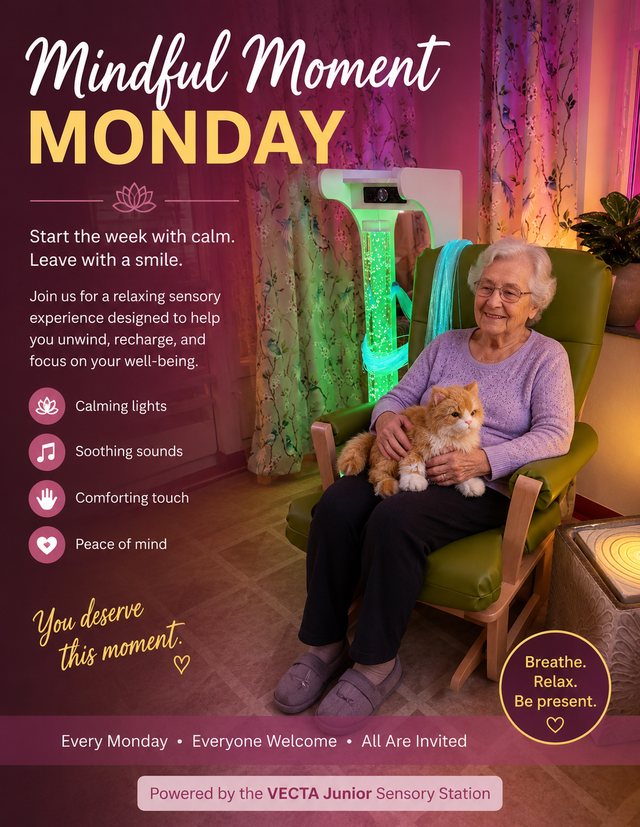
Small Space, Big Impact: Why Mobile Sensory Stations Might Be Your Facility's Best Kept Secret
Discover how mobile sensory stations can transform long-term care homes, rehabilitation centres, and multi-purpose spaces into engaging therapeutic environments—without the need for a dedicat
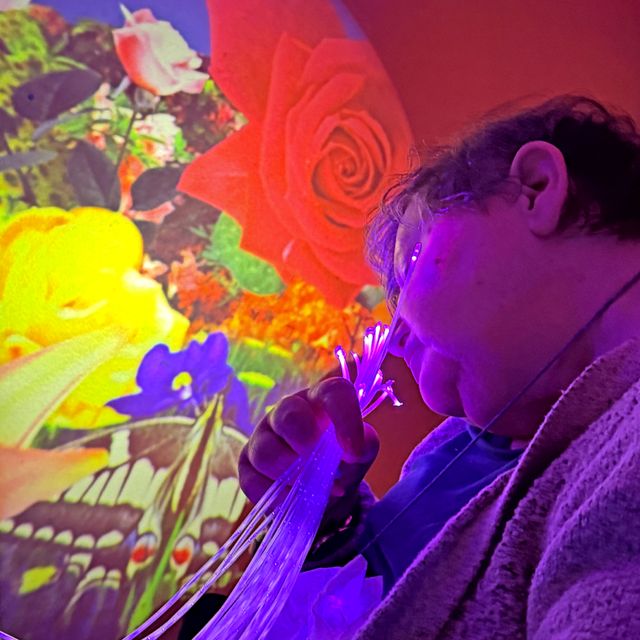
Illuminating Connection: Projector Programming Ideas for Dementia Engagement Through Sensory Rooms and Guided Imagery
Discover innovative projector programming ideas for dementia sensory rooms using guided imagery, reminiscence therapy, and immersive sensory engagement. Learn how TFH Canada supports meaningf