The return to routine after the holidays can feel overwhelming — not just for children, but also for the adults supporting them. Schedules shift, expectations change, and the slower pace of the holiday season gives way to early mornings, structured days, and increased demands.
For children with sensory processing differences or additional support needs, these transitions can be especially challenging. The good news? With thoughtful support and a gentle approach, routines can become predictable, comforting, and even empowering.
Why Transitions Can Be Hard
Transitions require flexibility, emotional regulation, and sensory tolerance — skills that not every child possesses easily. After weeks of altered schedules, extra stimulation, and social gatherings, returning to structured environments can lead to:
- Increased anxiety or emotional dysregulation
- Difficulty focusing or following directions
- Sensory overload or shutdown
- Resistance to tasks that once felt manageable
Recognizing that these reactions are communication — not misbehaviour — is an important first step.
Start Small and Build Predictability
Rather than expecting an immediate return to “normal,” ease back into routines gradually. Consistency and predictability help children feel safe.
Helpful strategies include:
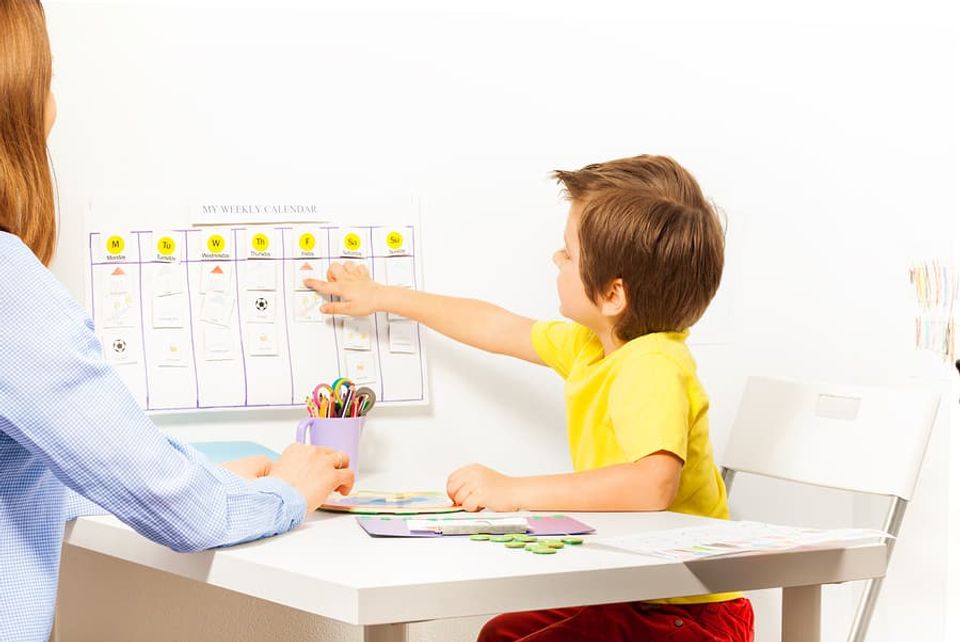
- Visual schedules to outline the day
- Consistent morning and bedtime routines
- Clear transitions with countdowns or timers
- Extra time built in for regulation breaks
When children know what to expect, their nervous systems can relax.
The Role of Sensory Supports
Sensory tools can make a meaningful difference during times of change. When used proactively, they help children stay regulated, focused, and comfortable in their environments.
Supportive sensory tools may include:
- Weighted products that provide calming, deep-pressure input
- Tactile fidgets for grounding and focus
- Movement-based tools to support body awareness
- Quiet sensory spaces for decompression
These tools aren’t distractions — they’re supports that help children engage more fully with their day.
Progress Over Perfection
January is not about getting everything “right.” It’s about noticing what works, adjusting when needed, and celebrating small wins along the way.
Every child’s needs are different, and progress may look subtle — a calmer transition, a shorter recovery time, or a willingness to try again tomorrow. Those moments matter.
At TFH Canada, we believe that gentle, thoughtful supports create stronger foundations for learning, regulation, and confidence — especially during times of change.